You have not yet added any article to your bookmarks!
Join 10k+ people to get notified about new posts, news and tips.
Do not worry we don't spam!

Post by : Badri Ariffin
In a critical new assessment, the International Monetary Fund (IMF) has exposed serious governance and corruption challenges facing Pakistan, indicating that its political and economic frameworks are significantly compromised. The 186-page report outlines a grim landscape featuring entrenched elites, murky decision-making, and rampant mismanagement.
Corruption: An Ingrained Obstacle
The IMF characterizes the corruption in Pakistan as “persistent and corrosive,” which undermines public institutions, misallocates resources, and deters both local and international investment. The phenomenon of elite capture, where influential groups control crucial economic sectors, is recognized as one of the most harmful kinds of corruption, perpetuating inequality and restricting opportunities for average citizens.
From January 2023 to December 2024, Pakistan reported recoveries of Rs 5.3 trillion from corruption-related cases. The IMF points out that this amount represents merely a fraction of the true losses, emphasizing the ongoing challenge in accurately assessing the economic toll of graft.
Judiciary and Bureaucracy: Riddled with Issues
The report criticizes Pakistan’s judicial system for being slow, complicated, and vulnerable to political pressures. Surveys referenced by the IMF reveal that 68% of Pakistanis believe anti-corruption bodies are misused for political aims rather than for genuine accountability.
The weaknesses permeate public sector operations, affecting everything from tax collection to state-owned enterprises (SOEs), encompassing assets worth about 48% of GDP. This predominance of politically connected entities in the economy breeds corruption, hinders private investment, and permits discretion in decision-making without adequate oversight.
Concerns Regarding the Special Investment Facilitation Council
The IMF also expresses concerns about the Special Investment Facilitation Council (SIFC), a civil-military entity that manages key investment decisions. With questionable transparency and accountability, the council's broad powers over concessions, tax breaks, and regulatory leniency increase the likelihood of favoritism and market disruption.
Path to Reform or Cycle of Stagnation
The IMF cautions that without substantial governance reforms, Pakistan risks being ensnared in a persistent cycle of economic stagnation and reliance on foreign aid. Enhancements in procurement processes, judicial efficiency, and the enforcement of oversight measures could potentially elevate GDP by 5% to 6.5% in five years, providing a viable route to economic resilience.



Hyundai raises profit target, expands hybrid lineup in the US
Hyundai hybrid cars get a major boost as the automaker raises its profit margin target and plans new

Josh Kerr and Jakob Ingebrigtsen Set for 1,500m Rivalry Rematch
Josh Kerr and Jakob Ingebrigtsen will renew their 1,500m rivalry at the Ultimate Championship in Bud

PSG Coach Luis Enrique Urges Players to Step Outside Comfort Zone
PSG coach Luis Enrique says players must leave their comfort zone and keep improving as the club tar

China’s Tiangong Sets New 400m Record at Robot Olympics
China’s Tiangong robot sets a new 400m record at the Robot Olympics, beating a South African robot i

George Russell Wins Dutch GP Sprint, Boosts Mercedes Morale
George Russell wins the Dutch GP Sprint from pole as Mercedes teammate Kimi Antonelli extends his F1
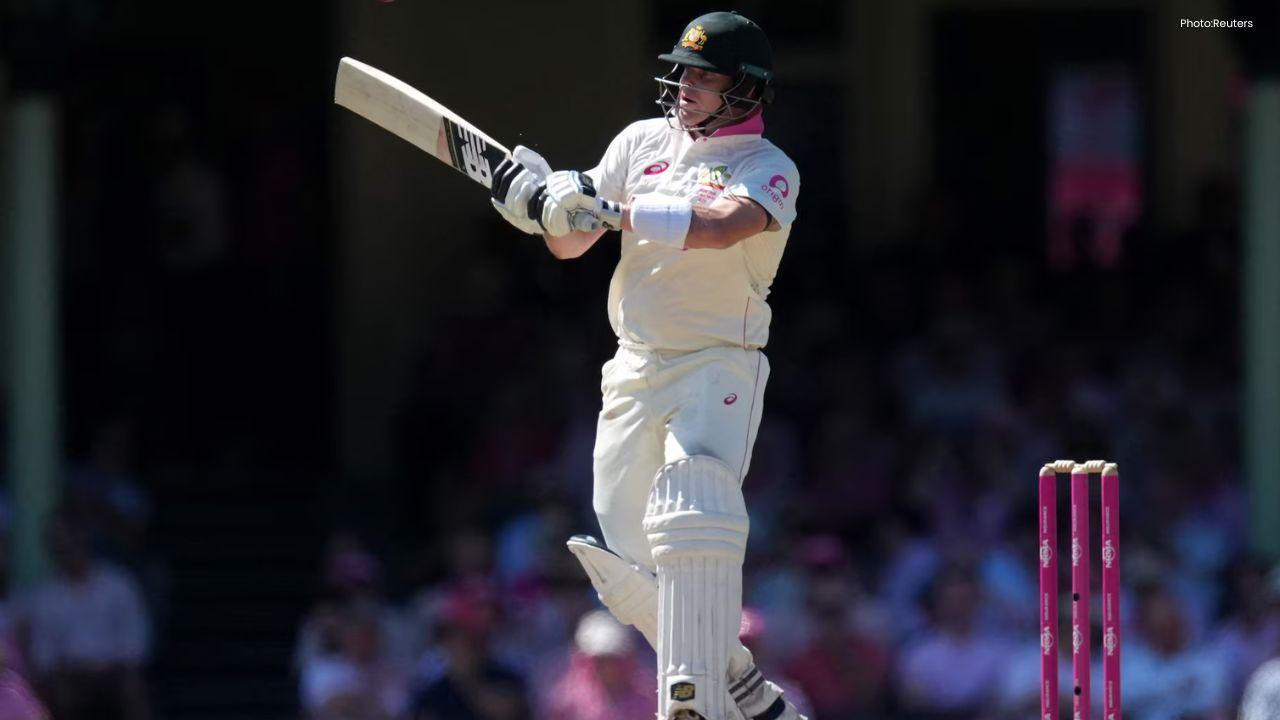
Australia 50/3 After Bangladesh Bowled Out for 64 in Second Test
Australia reached 50/3 after Bangladesh were bowled out for 64 in the second Test, with Mitchell Sta