
You have not yet added any article to your bookmarks!
Join 10k+ people to get notified about new posts, news and tips.
Do not worry we don't spam!
Post by : Rameen Ariff
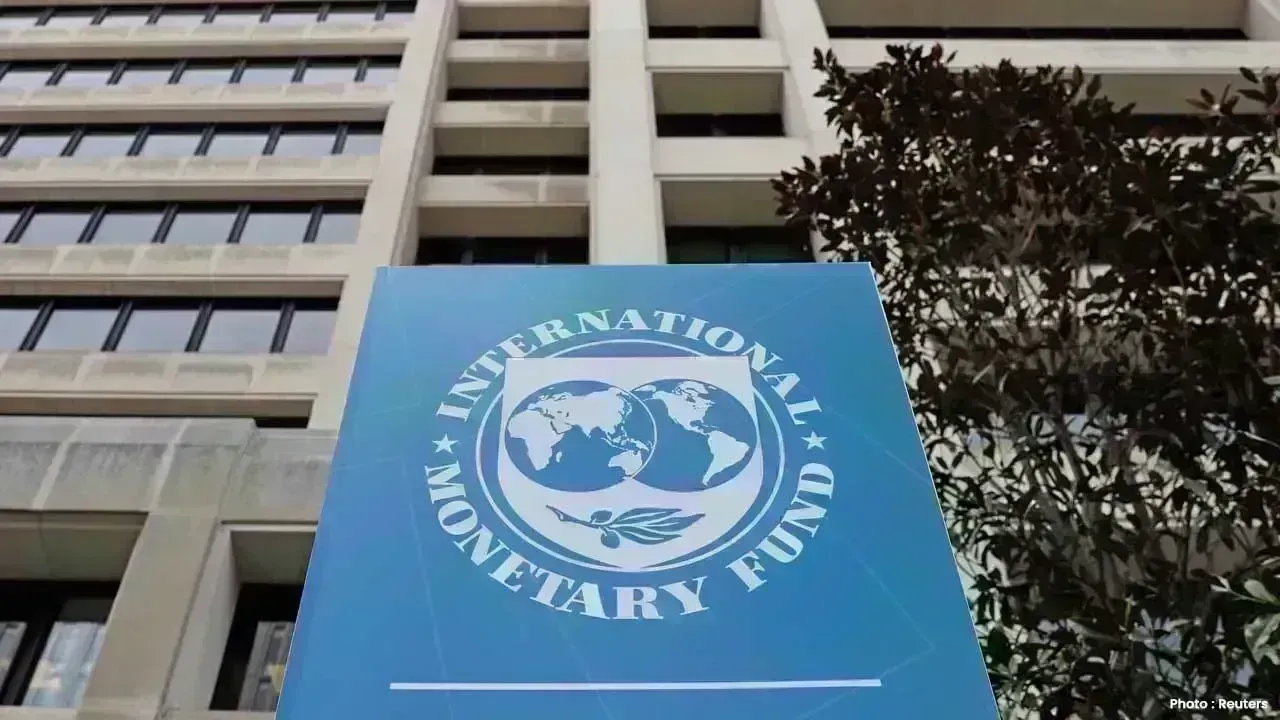
The International Monetary Fund (IMF) has approved an additional $1.2 billion loan for Pakistan, giving the cash-strapped country a fresh boost as it continues its efforts to recover from one of the most severe economic crises in recent years. The announcement came on Tuesday after the IMF’s executive board completed two reviews of Pakistan’s economic programs, clearing about $1 billion under its main loan facility and another $200 million from a separate climate-focused program.
With the latest approval, Pakistan has received roughly $3.3 billion from the IMF since last year. Under the bailout arrangement, Islamabad will receive loan installments over 37 months, provided it continues to meet the conditions agreed with the IMF. Pakistan has historically relied on international loans, including IMF support, to meet its financing requirements during challenging economic periods.
Prime Minister Shehbaz Sharif welcomed the IMF decision, calling it recognition of the government’s reform initiatives and the “effective implementation” of IMF-endorsed measures. He said the approval highlights Pakistan’s progress in stabilizing its economy after narrowly avoiding default last year. Sharif also praised Field Marshal Gen. Asim Munir, the army chief, and Finance Minister Muhammad Aurangzeb for their role in supporting the government’s reform agenda.
The IMF statement underlined that Pakistan has made significant progress in stabilizing the economy despite global challenges and the devastating floods earlier this year. The fund highlighted improvements such as a stronger fiscal position, higher foreign exchange reserves—which now stand at $14.5 billion—and signs of economic growth. While inflation has risen in recent months due to flood-related increases in food prices, the IMF expects inflation to ease as conditions normalize.
The 2024-approved bailout aims to rebuild Pakistan’s foreign reserves, strengthen the tax system, and reform state-owned enterprises, particularly in the energy sector. The climate facility, approved earlier this year, supports initiatives to improve disaster management, water resource usage, and climate-related financial reporting.
IMF Deputy Managing Director Nigel Clarke emphasized that Pakistan must remain disciplined amid an uncertain global outlook. He praised the government for its commitment to meeting next year’s budget targets while addressing flood-related damages. Clarke also urged Pakistan to maintain tight monetary policy, allow the exchange rate to move freely, and accelerate long-delayed energy reforms to ensure sustainable economic growth.
Prime Minister Sharif described Pakistan’s ongoing reform and digitalization efforts as a global “case study” but cautioned that moving from economic stability to sustained growth will require continued effort and careful implementation of reforms.







Josh Kerr and Jakob Ingebrigtsen Set for 1,500m Rivalry Rematch
Josh Kerr and Jakob Ingebrigtsen will renew their 1,500m rivalry at the Ultimate Championship in Bud

PSG Coach Luis Enrique Urges Players to Step Outside Comfort Zone
PSG coach Luis Enrique says players must leave their comfort zone and keep improving as the club tar

China’s Tiangong Sets New 400m Record at Robot Olympics
China’s Tiangong robot sets a new 400m record at the Robot Olympics, beating a South African robot i

George Russell Wins Dutch GP Sprint, Boosts Mercedes Morale
George Russell wins the Dutch GP Sprint from pole as Mercedes teammate Kimi Antonelli extends his F1

Australia 50/3 After Bangladesh Bowled Out for 64 in Second Test
Australia reached 50/3 after Bangladesh were bowled out for 64 in the second Test, with Mitchell Sta

Jordan Burroughs Returns to Wrestling with 2028 Olympic Dream
Jordan Burroughs returns to wrestling with Real American Freestyle as the Olympic champion eyes a po

