
You have not yet added any article to your bookmarks!
Join 10k+ people to get notified about new posts, news and tips.
Do not worry we don't spam!
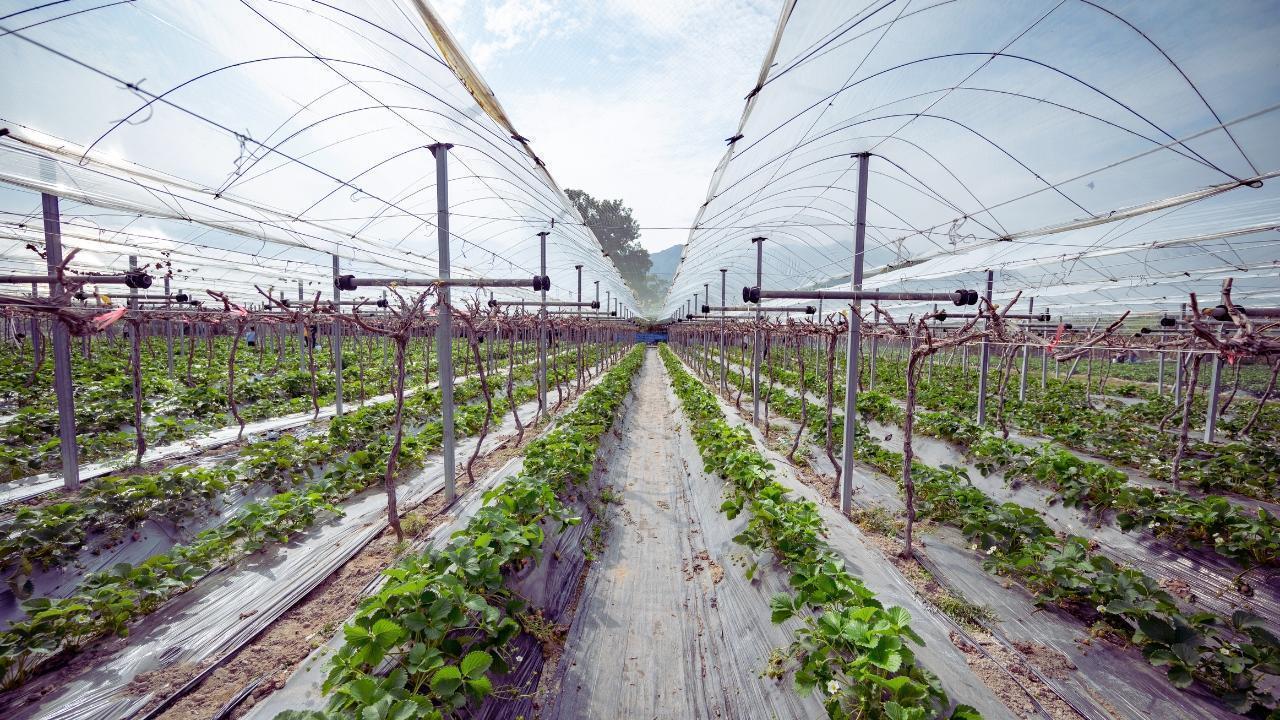
Post by : Anis Farhan
As urbanization accelerates, cities face growing challenges: food insecurity, environmental degradation, and limited green spaces. In response, urban farming is emerging as a practical and innovative solution. By turning city spaces into food-producing hubs, urban farming offers a way to localize food supply, reduce environmental footprints, and strengthen community resilience. What was once seen as a niche activity is now shaping policies, investments, and urban landscapes worldwide.
Global cities are becoming more crowded, and traditional food systems struggle to meet urban demands. Long supply chains increase food costs, contribute to carbon emissions, and leave cities vulnerable to disruptions—as seen during global crises like the COVID-19 pandemic. Urban farming addresses these gaps by producing food closer to where people live, cutting transport emissions, reducing dependence on imports, and ensuring fresher produce. In a world facing climate instability and rising populations, sustainable urban agriculture is increasingly viewed as a food security lifeline.
Urban farming isn’t just about backyard gardening—it involves advanced and diverse methods suited for city life:
Vertical Farming: Growing crops in stacked layers, using LED lighting and hydroponics to maximize yields in small spaces. Cities like Singapore and Dubai are leading adopters.
Rooftop Farming: Converting building rooftops into productive agricultural spaces, popular in cities like New York, Paris, and Tokyo.
Hydroponics & Aquaponics: Soil-free farming systems using nutrient-rich water or integrating fish farming, optimizing food production even in limited spaces.
Community Gardens: Shared public spaces where urban residents grow their own produce, fostering community engagement while addressing food insecurity.
Many world cities are actively integrating urban agriculture into their development plans:
Singapore aims to produce 30% of its nutritional needs locally by 2030, investing heavily in high-tech urban farming.
Paris launched the “Parisculteurs” project to cover 100 hectares of rooftops and walls with greenery and edible plants.
New York City has established multiple rooftop farms, including Brooklyn Grange, one of the largest in the world.
Tokyo promotes rooftop rice paddies and school gardening programs to reconnect residents with food production.
These initiatives reflect how urban farming can be scaled from individual projects to city-wide food strategies.
Urban farming is not just an environmental solution—it’s creating economic value:
Job Creation: Urban agriculture generates employment in farming, technology, logistics, and food processing.
Agritech Growth: Startups focused on hydroponics, vertical farming systems, and smart farming technologies are booming, attracting billions in global investment.
Local Entrepreneurship: Small-scale urban farmers supply restaurants, farmers' markets, and supermarkets with specialty produce, building local food economies.
Urban agriculture contributes significantly to making cities greener and more sustainable:
Reducing Urban Heat: Green rooftops help lower temperatures in densely populated areas.
Improving Air Quality: Plants filter pollutants and boost urban air quality.
Reducing Food Miles: Local production cuts down on transportation emissions.
Waste Reduction: Composting urban organic waste supports circular food systems.
Cities embracing urban farming also see improvements in mental well-being, biodiversity, and overall quality of life.
Despite its benefits, urban farming faces hurdles:
High Land Costs: Urban spaces are expensive and limited, making large-scale farming financially challenging.
Regulatory Barriers: Zoning laws and building codes often restrict farming activities.
Initial Costs: Technologies like vertical farming require high upfront investments.
Knowledge Gaps: Many urban residents lack agricultural knowledge, requiring educational programs.
Overcoming these obstacles requires supportive policies, public-private partnerships, and long-term planning.
As cities rethink their resilience strategies, urban farming is expected to expand further:
Policy Shifts: More governments are introducing urban agriculture policies, integrating food systems into urban planning.
Technological Advances: AI, IoT, and renewable energy are making urban farms more efficient and scalable.
Global Replication: Successful models in Asia, Europe, and North America are inspiring similar initiatives in Africa and Latin America.
In the future, urban farming could become as commonplace as public parks, providing not just food but environmental and social benefits to urban dwellers.
Urban farming is revolutionizing the way cities function. It provides a sustainable solution to food security, environmental stress, and economic challenges faced by rapidly growing urban centers. With global momentum building, urban farming is no longer an alternative—it’s becoming a central feature of healthier, greener, and more resilient cities worldwide.
This article is intended for general informational purposes only. It does not offer agricultural, investment, or urban planning advice. Readers are encouraged to consult local authorities and experts before implementing or investing in urban farming projects.










PM Modi Pays Tribute to Mahatma Gandhi, Urges People to Support Khadi
PM Modi pays tribute to Mahatma Gandhi on Gandhi Jayanti and urges citizens to support Khadi and the

Amazon Seeks to Offload $8 Billion in Nvidia Chips to Investors
Amazon plans to move $8 billion in Nvidia chips to investors, using a new financing model to strengt

Samsung Raises Galaxy S26 Prices as Memory Chip Costs Rise
Samsung raises Galaxy S26 prices in South Korea as rising memory chip costs put pressure on smartpho

Lewis Hamilton Calls Singapore Grand Prix One of F1's Toughest Races
Lewis Hamilton discusses the demanding Singapore Grand Prix and brings Plus44 and Almave to Singapor

Denmark's Pandora Opens World's Largest Jewellery Factory in Vietnam
Pandora opens its largest jewellery factory in Vietnam, expanding global production, strengthening s

Gautam Gambhir Questions Batting-Friendly Pitches After India's Record ODI Chase
Gautam Gambhir questions batting-friendly ODI pitches after India’s record chase, calling for a bett

