
You have not yet added any article to your bookmarks!
Join 10k+ people to get notified about new posts, news and tips.
Do not worry we don't spam!
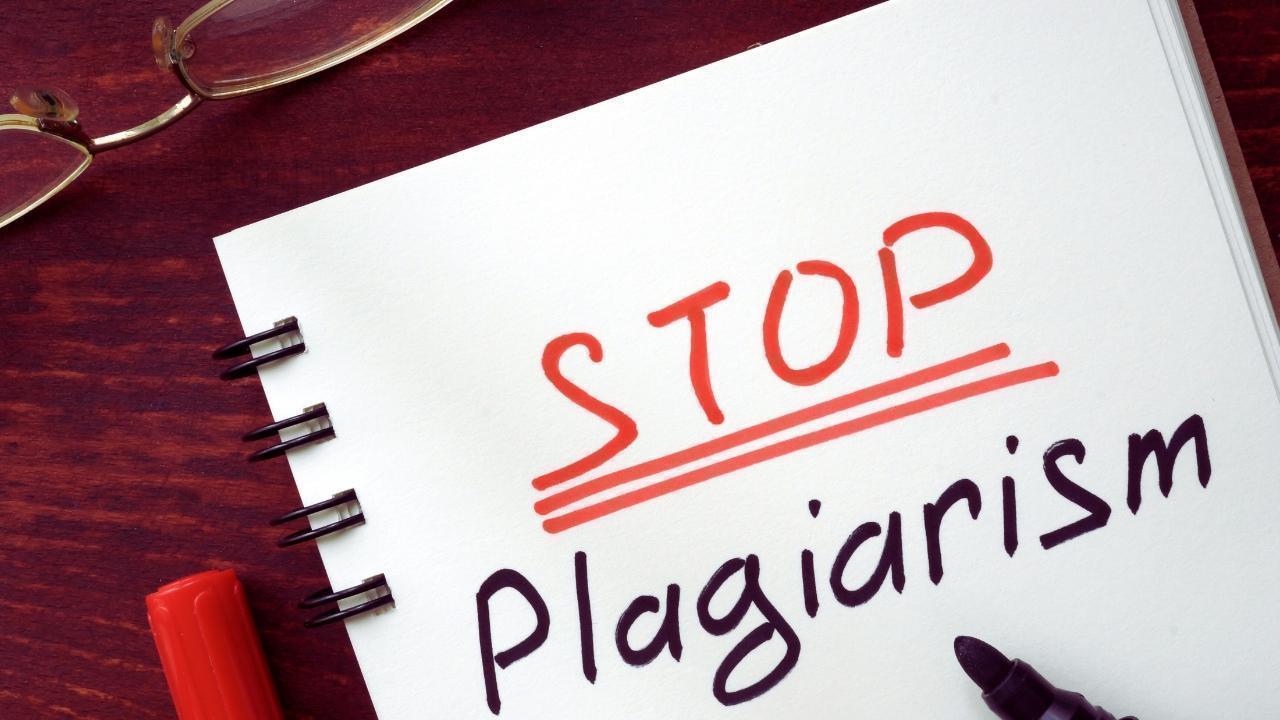
Post by : Anis Farhan
We live in an era where digital cloning is no longer just science fiction. With the rise of generative AI, anyone with access to a deep learning model can potentially replicate your voice, writing style, photos, and even video footage. For influencers, entrepreneurs, authors, educators, and creative professionals, this means that your personal brand—built over years—can be misused in minutes.
Today, AI tools are not just scraping your content; they are reprocessing, reframing, and regurgitating it across the web with little to no credit. Deepfakes have crossed from celebrity spoofs into real-life impersonation. Chatbots can mimic tone and structure so precisely that it’s nearly impossible to tell the real from the fake. The danger is not just reputational—it’s deeply personal, financial, and legal.
In this advisory, we examine how to identify AI-driven plagiarism, prevent brand misuse, and take action when your identity is cloned by machines.
AI video and voice cloning tools like ElevenLabs and Synthesia can replicate a person’s likeness with shocking accuracy. While they have legitimate use cases in media and accessibility, they are also being used to create fake interviews, pitch scams, or mislead audiences by placing public figures in fabricated scenarios.
Tools like ChatGPT and Gemini can analyze your content and emulate your tone, syntax, and thematic preferences. Blogs, captions, newsletters, or even full books can be AI-generated under the guise of your style—sometimes without credit or consent.
Some bad actors use AI to generate entirely synthetic people with borrowed identities. These personas post on LinkedIn, publish ghostwritten thought-leadership content, or even apply for jobs. They are essentially clones feeding off real people’s brand energy.
Platforms like Copyscape, Originality.AI, and Grammarly’s plagiarism checker help you catch exact copies of your work. More advanced options like Hive Moderation and Sensity.ai allow you to track image, audio, and video misuse online.
Use reverse image search to find out where your pictures are being posted. If you suspect voice misuse, tools like Descript can analyze audio fingerprints and compare them to original recordings.
Some AI companies allow individuals to check whether their content or image is part of the training datasets. “Have I Been Trained?” and “Spawning.ai” let you search your content in open AI datasets.
Use Google Alerts, Mention, or Brand24 to track unauthorized usage of your name, blog titles, or unique phrases you often use. These alerts can uncover where your digital DNA is showing up without your approval.
Use a robots.txt file to block AI bots from crawling and scraping your personal website or blog. While not foolproof, it adds a layer of resistance. OpenAI, for example, respects these rules for ChatGPT training.
Make it clear on your website that all content is copyrighted. Add invisible watermarks to your photos and videos that can later be traced using detection software. Some creators even embed metadata fingerprints in PDFs and image files.
AI struggles more with extracting data from videos or stylized images. Presenting highly personal ideas through image slides or video presentations makes it harder for bots to ingest and repurpose your material.
Legally register your original writing, logo, podcast, and other key brand assets. In many countries, including the UAE, registered copyright gives you stronger grounds for DMCA takedowns and lawsuits.
If you find your content has been scraped, duplicated, or reposted, file a Digital Millennium Copyright Act (DMCA) notice with the hosting platform. Google, YouTube, Facebook, and Medium all have rapid takedown procedures for verified copyright holders.
In certain jurisdictions, impersonating someone online—even through AI—can amount to identity theft or digital fraud. Report AI impersonation to cybersecurity bodies, and in extreme cases, consider legal action for misrepresentation or defamation.
Some AI platforms offer opt-out procedures to prevent your data from being used in future model training. Although not all do, public pressure is rising for responsible AI governance.
Keep your branding sharp and consistent across platforms. AI can mimic style, but it can’t match presence. Regularly posting unique insights, behind-the-scenes processes, and personal takes makes your identity hard to replicate.
Followers who know you are more likely to detect fakes. Foster interactive communities where your authenticity stands out through live Q&As, newsletters, and in-person events.
On platforms like Instagram, LinkedIn, and X, verify your identity. This adds credibility and helps audiences identify your real profiles from cloned ones.
Reconsider posting high-resolution photos, voice notes, or personal anecdotes in public forums. The more specific and intimate your content, the easier it is to be misused by AI for synthetic replication.
Influencers like MKBHD and writers like Tim Urban have publicly flagged AI tools mimicking their style or content. Some YouTubers now create "AI use policies" that inform followers how their data can or cannot be used. Others watermark their voices, tag their images with hidden AI-detection codes, or use legal teams to pursue platforms that scrape content without consent.
In the UAE, emerging digital protection laws aim to safeguard personal and professional data online. Dubai’s Cybersecurity Strategy 2025 focuses on AI ethics and digital identity protection—an early step in tackling this fast-growing issue.
AI is not inherently malicious. In many ways, it can amplify creativity and productivity. But like any powerful tool, its misuse is a reflection of human intention. If your personal brand is your livelihood—or even your passion—it is vital to take proactive steps to secure it.
In the coming years, new AI detection tools, regulation, and watermarking technologies will become mainstream. But until then, awareness and self-defense remain your best bet.
Remember: the best way to remain irreplaceable in an age of imitation is to be uniquely human. That starts with knowing where you stand, how to protect what’s yours, and how to continue evolving your voice beyond what machines can replicate.
This article is for informational purposes only. The information provided does not constitute legal advice. Readers are encouraged to consult cybersecurity professionals and legal experts for individual protection strategies.










PM Modi Pays Tribute to Mahatma Gandhi, Urges People to Support Khadi
PM Modi pays tribute to Mahatma Gandhi on Gandhi Jayanti and urges citizens to support Khadi and the

Amazon Seeks to Offload $8 Billion in Nvidia Chips to Investors
Amazon plans to move $8 billion in Nvidia chips to investors, using a new financing model to strengt

Samsung Raises Galaxy S26 Prices as Memory Chip Costs Rise
Samsung raises Galaxy S26 prices in South Korea as rising memory chip costs put pressure on smartpho

Lewis Hamilton Calls Singapore Grand Prix One of F1's Toughest Races
Lewis Hamilton discusses the demanding Singapore Grand Prix and brings Plus44 and Almave to Singapor

Denmark's Pandora Opens World's Largest Jewellery Factory in Vietnam
Pandora opens its largest jewellery factory in Vietnam, expanding global production, strengthening s

Gautam Gambhir Questions Batting-Friendly Pitches After India's Record ODI Chase
Gautam Gambhir questions batting-friendly ODI pitches after India’s record chase, calling for a bett

