
You have not yet added any article to your bookmarks!
Join 10k+ people to get notified about new posts, news and tips.
Do not worry we don't spam!
Post by : Anis Farhan
Photo: Reuters
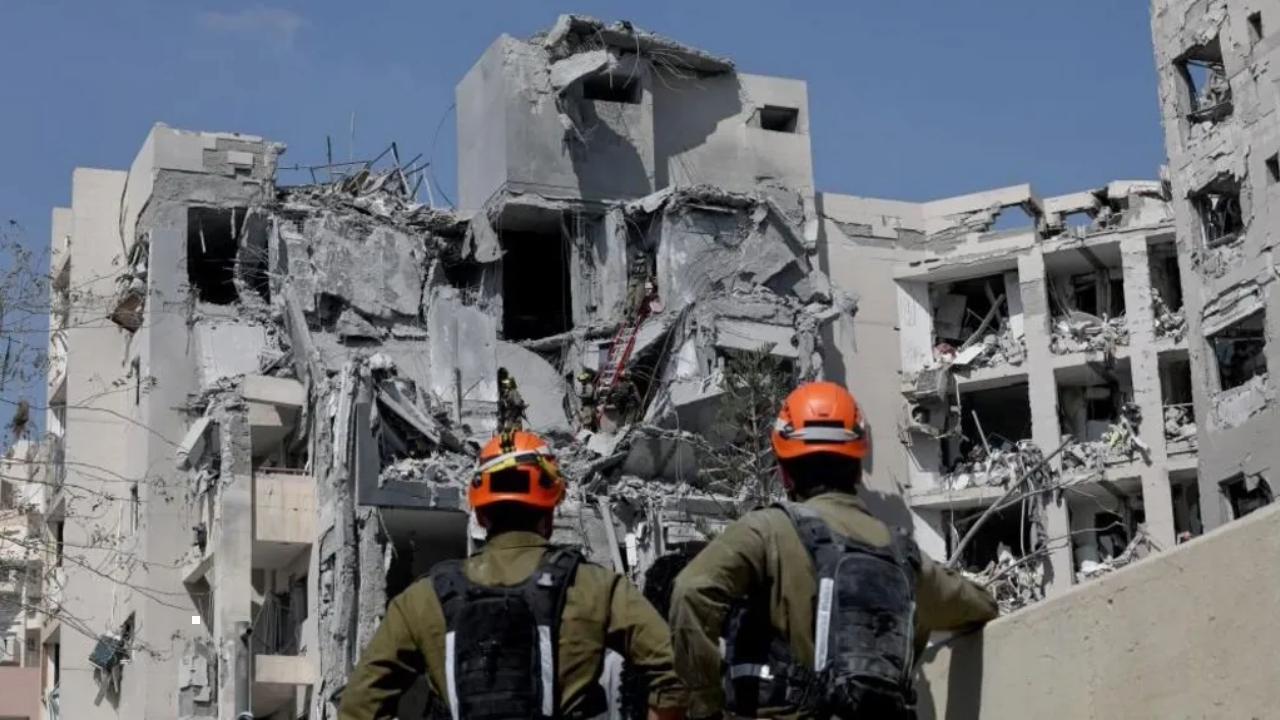
In mid-June, the longstanding shadow war between Israel and Iran erupted into open confrontation. It began when Israel launched airstrikes on Iranian nuclear and military sites, citing national security threats. Iran responded with a massive barrage of over 150 ballistic missiles and 100 drones, some hitting Israeli territory and U.S. bases in the region. The exchange lasted 12 intense days before a fragile ceasefire took effect around June 24, brokered by President Donald Trump and Qatar.
By the time the bullets stopped—or at least paused—the toll was heavy: nearly 1,000 Iranian military casualties, dozens wounded in Israel, and nuclear facilities reportedly set back only slightly, despite U.S. bombing claims . Trump even publicly warned both sides for violations, calling out “certain Israeli pilots” hours after agreeing to ceasefire terms..
But the effects weren’t limited to battlefield casualties—they ricocheted through global energy, finance, trade, and geopolitics. Here's how this conflict shook the world:
The initial fear centered on the Strait of Hormuz, a vital oil shipping chokepoint: just a 20% disruption there could have tanked global supply. Oil prices jumped nearly 8% in days, rising toward $78 per barrel. But once the ceasefire took hold, crude prices reversed sharply—Brent dropped about 6–7% to $66–67, as markets relievedly rewrote risk assessments.
Still, analysts caution the calm is precarious. Morgan Stanley warned that any new escalation—even in Hormuz—could send oil surging 75% year-over-year, derailing economic stability .
Stock markets reacted quickly. The S&P 500 closed near record highs, with the Nasdaq topping previous peaks and the Dow adding over 500 points in a single session . In Asia, indexes from Japan’s Nikkei to Hong Kong’s Hang Seng edged higher on renewed investor confidence.
Commodity markets mirrored the mood: oil prices dropped, gold cooled, and Treasury yields declined as inflationary fears eased. Still, volatility remains—markets are waiting for how long the ceasefire holds.
Geopolitical risk often boosts the U.S. dollar, but this time it trended lower. Global investors sought equity exposure, not shelter, putting pressure on the greenback. Traders also shifted focus to interest rates, with commentary from Fed Chair Jerome Powell reinforcing patience before any policy changes.
Meanwhile, Donald Trump used the ceasefire as leverage in trade negotiations—hinting it could give U.S. leverage over China’s oil imports and broader dealmaking.
Countries heavily reliant on oil imports—Europe, India, Japan—breathed easier as fuel costs eased. But the risk remains that renewed conflict or a Hormuz blockade would instantly reverse gains.
Global supply chains also found temporary stability. Unlike the Gaza war, this eruption hadn’t yet extended into Red Sea shipping, but analysts warn any future spread to Houthis or Lebanon could still disrupt shipping lanes.
Politically, the ceasefire changes the Middle East’s landscape. The U.S. reaffirmed its alliance with Israel, Iran’s nuclear setbacks continue to shape diplomacy, and Qatar’s role as mediator adds regional nuance .
So far, the ceasefire, while shaky, is persisting. Both countries have reported minor violations, but no full escalation. U.S. intelligence believes Iran’s nuclear setback is modest—a few months—not absolute destruction .
Markets are cautiously optimistic. Inflation fears have dimmed, but energy-dependent economies remain exposed. If stability holds, global growth might stay on track. If not, the reverse happens fast.
This 12-day Israel–Iran war rocked more than just the Middle East—it jolted oil markets, reshaped stock sentiment, and rippled through global geopolitics and currencies. For now, calm has returned. But as history shows, in geopolitics and economics alike, peace is not permanent. Watching whether this ceasefire holds—or fractures—will dictate whether the global stabilization seen this week endures.
This article is prepared for informational and editorial purposes under Newsible Asia. It does not constitute professional or investment advice. Data accurate as of June 25, 2025; geopolitical situations may evolve rapidly.










PM Modi Pays Tribute to Mahatma Gandhi, Urges People to Support Khadi
PM Modi pays tribute to Mahatma Gandhi on Gandhi Jayanti and urges citizens to support Khadi and the

Amazon Seeks to Offload $8 Billion in Nvidia Chips to Investors
Amazon plans to move $8 billion in Nvidia chips to investors, using a new financing model to strengt

Samsung Raises Galaxy S26 Prices as Memory Chip Costs Rise
Samsung raises Galaxy S26 prices in South Korea as rising memory chip costs put pressure on smartpho

Lewis Hamilton Calls Singapore Grand Prix One of F1's Toughest Races
Lewis Hamilton discusses the demanding Singapore Grand Prix and brings Plus44 and Almave to Singapor

Denmark's Pandora Opens World's Largest Jewellery Factory in Vietnam
Pandora opens its largest jewellery factory in Vietnam, expanding global production, strengthening s

Gautam Gambhir Questions Batting-Friendly Pitches After India's Record ODI Chase
Gautam Gambhir questions batting-friendly ODI pitches after India’s record chase, calling for a bett

