You have not yet added any article to your bookmarks!
Join 10k+ people to get notified about new posts, news and tips.
Do not worry we don't spam!

Post by : Anis Farhan
Hepatitis A is an acute liver infection caused by the hepatitis A virus (HAV), a highly contagious pathogen that primarily spreads via the fecal-oral route. It inflames the liver, which can temporarily disrupt its ability to function, and typically causes a range of symptoms that may appear 14 to 28 days after exposure. Unlike other forms of viral hepatitis (such as B or C), hepatitis A does not lead to chronic liver disease, and most people recover fully with lifelong immunity after infection or vaccination. However, the disease can be serious in older adults, immunocompromised individuals and those with underlying liver conditions. The World Health Organization (WHO) notes that hepatitis A is closely linked to unsafe water, poor sanitation and limited hygiene practices, which contribute to outbreaks worldwide.
Hepatitis A is caused by the hepatitis A virus (HAV), a non-enveloped RNA virus that infects liver cells and triggers inflammation. Transmission typically occurs when a person consumes food or water contaminated with the feces of an infected person. This fecal-oral route is especially common in areas with inadequate sanitation infrastructure or poor personal hygiene. HAV is robust in the environment, surviving on surfaces and in food for extended periods, which enhances its contagion potential.
Infection with HAV can result in symptoms ranging from mild discomfort to significant illness. Although most individuals recover within weeks or months without permanent liver damage, the disease can rarely lead to acute liver failure, particularly in vulnerable populations. Importantly, contracting hepatitis A typically confers lifelong immunity, meaning reinfection is unlikely once recovered.
HAV is primarily transmitted through fecal-oral exposure, which means the virus must enter the mouth after contact with infected fecal matter. Common transmission routes include:
Eating food prepared or handled by someone with HAV who did not wash their hands properly after using the bathroom.
Drinking or using water contaminated with fecal matter.
Consuming raw or undercooked shellfish harvested from contaminated waters.
Close personal contact with an infected person, even if they show no symptoms.
Certain sexual practices can facilitate transmission through oral-anal contact.
HAV does not spread through casual contact such as sneezing, coughing or simply being near an infected person; direct ingestion of contaminated material is required.
Outbreaks are more common where sanitation is poor, water treatment systems are inadequate, or hygiene practices are not rigorously followed. These conditions increase the likelihood of fecal matter contaminating food or water sources that many people use.
Symptoms usually arise 2–6 weeks after exposure, during the incubation period when the virus replicates within liver cells. Some people, especially young children, may remain asymptomatic (showing no noticeable signs of infection), even while they are contagious.
When symptoms do appear, they may include:
Fever and fatigue
Loss of appetite, nausea and vomiting
Abdominal pain, especially in the upper right side beneath the ribs
Dark urine and pale, clay-colored stools
Jaundice — yellowing of the skin and the whites of the eyes
Joint pain and muscle aches
**Mild diarrhea or constipation in some cases
Many adults experience a full symptomatic phase lasting several weeks, although children often have milder or unrecognized infections.
Most people recover completely without long-term effects. However, acute liver failure can occur rarely, particularly among older adults, those with chronic liver disease, or individuals with weakened immune systems. In these cases, hospitalization and supportive care may be necessary.
Diagnosis usually begins with a medical history and physical examination, focusing on symptoms such as jaundice and abdominal tenderness. Your healthcare provider will also inquire about potential exposures, travel history, food consumption, and contact with known cases.
Blood testing is essential to confirm an HAV infection. Tests typically check for specific antibodies that indicate either recent infection (IgM) or past exposure or immunity (IgG). Elevated liver enzymes in blood panels also suggest liver inflammation.
There is no specific antiviral cure for hepatitis A, so treatment focuses on supportive care to help the body recover and maintain comfort:
Rest — reducing physical activity allows the body to focus on fighting the infection.
Hydration — drinking fluids helps prevent dehydration, particularly if vomiting or diarrhea occurs.
Nutrition — eating a balanced diet can support liver function and overall recovery.
Avoiding alcohol and substances that stress the liver until full recovery.
Most individuals recover within a few weeks to a couple of months, depending on their age, overall health and severity of symptoms.
Severe symptoms — such as persistent vomiting, confusion, signs of dehydration or symptoms of liver failure — warrant urgent medical attention. People at higher risk of complications should be monitored closely by a healthcare professional.
The most effective way to prevent hepatitis A is vaccination. The hepatitis A vaccine is safe and highly effective, often administered in a two-dose schedule with a booster shot several months after the first. Vaccinated individuals develop long-lasting immunity against HAV.
Vaccination is recommended for:
All young children as part of routine immunization schedules.
Travelers to regions where hepatitis A is common.
Individuals with chronic liver disease or other health conditions that increase risk.
People experiencing homelessness and those in environments with poor sanitation.
Personal and community hygiene are critical in preventing infection:
Wash hands thoroughly with soap and water before eating and after using the bathroom.
Ensure safe drinking water and proper sewage treatment.
Avoid consumption of raw or undercooked shellfish from potentially contaminated waters.
Practice safe food preparation, especially in high-risk areas.
These measures are particularly important in outbreak settings or regions with poor sanitation infrastructure.
Regions with inadequate public health infrastructure, unsafe water supplies or low vaccination coverage are prone to outbreaks. Recent reports have documented significant outbreaks in areas such as Kerala, India, where tens of thousands of cases and dozens of deaths were recorded, highlighting the ongoing public health challenge posed by HAV.
Public health response typically emphasizes rapid identification, vaccination campaigns, hygiene promotion and improvement of water and sanitation systems to curb spread.
Most people with hepatitis A can manage their symptoms at home with rest, hydration and a nutritious diet. It’s important to avoid alcohol and other substances that burden the liver. Follow-up with a healthcare provider ensures monitoring of liver function and recovery progress.
Those diagnosed with HAV should minimize contact with others during the contagious period, engage in rigorous hand hygiene, and notify close contacts so that they may be evaluated and, if appropriate, vaccinated.
Hepatitis A remains a significant, yet largely preventable, liver infection. Understanding how it spreads, recognizing symptoms early, and emphasizing vaccination and hygiene practices are key to reducing its impact. While most individuals recover fully, prevention through vaccination and safe practices, combined with appropriate medical care when needed, remain the cornerstones of controlling hepatitis A and safeguarding public health.
Disclaimer:
This article is intended for informational purposes and does not replace professional medical advice. If you suspect hepatitis A infection, consult a qualified healthcare provider for diagnosis and personalized recommendations.










Lamborghini Catches Fire on Singapore's ECP, Causing Heavy Traffic
A Lamborghini caught fire on Singapore's ECP, causing heavy traffic and bus delays. No injuries were

Bangkok Airport Duty-Free Area Flooded by Pipe Burst
A burst water pipe flooded the duty-free shopping area at Bangkok's Suvarnabhumi Airport on July 16,
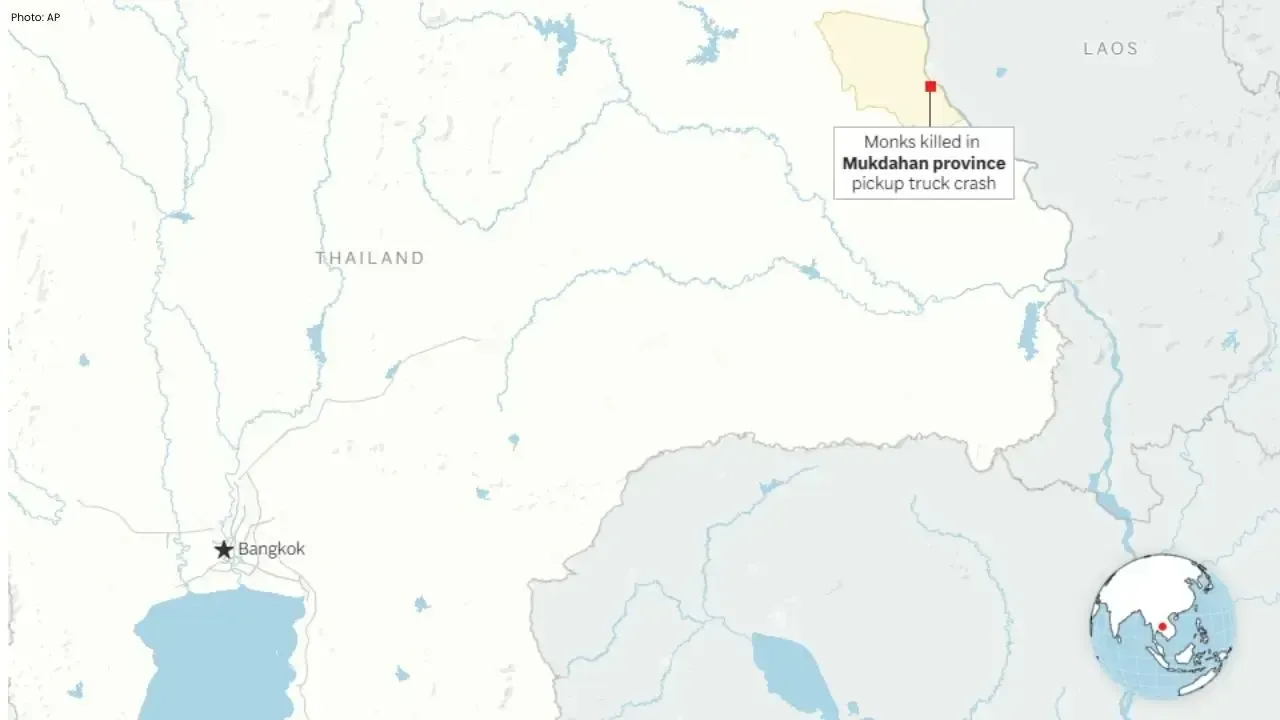
Nine Monks Killed in Thailand Pickup Truck Tragedy
An 11-year-old boy driving a pickup truck crashed into monks during a pilgrimage in northeastern Tha

Anwar Congratulates Xi on CPC's 105th Anniversary
Malaysia reaffirms strong ties with China as PM Anwar Ibrahim sends a congratulatory letter to Presi

Thai Agriculture Team Reviews 2026 Farm Development Plans
Agriculture Ministry officials inspected livestock and organic rice projects in Nakhon Sawan to moni

Thailand, Canada Boost Ties in PM-Level Phone Talks
Thailand and Canada agreed to strengthen trade, security, OECD cooperation and ASEAN-Canada FTA talk