
You have not yet added any article to your bookmarks!
Join 10k+ people to get notified about new posts, news and tips.
Do not worry we don't spam!
Post by : Saif Rahman
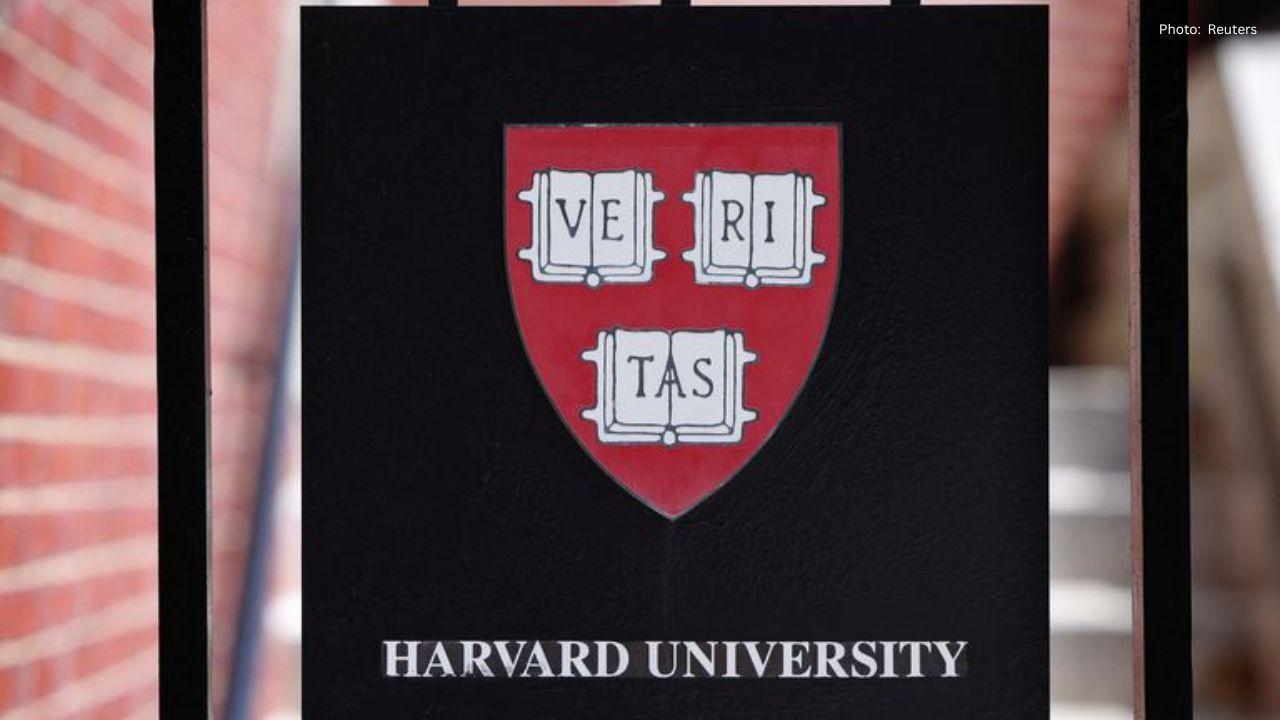
Carlos Portugal Gouvea, a visiting professor at Harvard Law School, was arrested by U.S. immigration officials this week after admitting to firing a pellet gun near a synagogue in Massachusetts. This event occurred on October 1, shortly before Yom Kippur. Although local authorities ruled it out as a hate crime, the Trump administration labeled it as an “anti-Semitic shooting incident,” fueling a significant political debate.
Gouvea, a Brazilian national and associate instructor at the University of São Paulo Law School, was teaching at Harvard for the fall semester. Following his guilty plea, the U.S. State Department annulled his temporary visa, leading to his detention by Immigration and Customs Enforcement (ICE) on Wednesday. The Department of Homeland Security reported that he consented to leave the U.S. voluntarily. Harvard University has opted not to comment on the matter.
This arrest coincides with rising tensions between the Trump administration and Harvard, with accusations directed at the university for not safeguarding Jewish students or combatting antisemitism effectively. These tensions have resulted in legal clashes, including a September ruling by a judge who stated that the administration had acted unlawfully when it revoked over $2 billion in research grants given to Harvard. The institution has strongly defended itself, claiming many accusations are politically driven.
The incident prompting Gouvea’s arrest took place in Brookline, Massachusetts, where authorities responded to reports of a firearm near Temple Beth Zion. Gouvea informed officers that he was using a pellet gun to control rats in the area. The investigation concluded without evidence suggesting he was aware of the synagogue's proximity or that the timing related to the Jewish holiday. The temple communicated to its community their belief that the act was not fueled by antisemitism, a view corroborated by local police.
Gouvea has previously agreed to plead guilty for unlawfully discharging the pellet gun and will undergo six months of pretrial probation. Other charges, such as disorderly conduct and vandalism, were dropped. Local officials characterized the case as one of poor judgment, rather than targeted hatred.
Conversely, the Trump administration adopted a more stringent stance. By designating the incident as anti-Semitic, it has heightened scrutiny on Harvard amid ongoing friction. Critics assert that the administration was leveraging the case to substantiate its claims against the university concerning campus security and the treatment of Jewish students.
This case also exemplifies how minor local incidents can evolve into significant political narratives when they intersect with broader issues. The themes of immigration enforcement, university governance, religious safety, and the struggle against hate crimes amalgamated in this context. While the local police perceived this event as a minor infringement, federal officials perceived it as a substantial threat.
For the Jewish community, the event's timing was understandably alarming. Yom Kippur is Judaism's most sacred day, and any gunfire incident near a synagogue can evoke fear, even if later proven incidental. Temple leaders have made efforts to reassure their congregation, emphasizing that police found no ill will behind Gouvea’s actions.
The ongoing debate surrounding this incident raises pertinent questions on how allegations of antisemitism should be managed. Advocates argue that a firm governmental response is required against threats to religious communities, while others suggest that mislabeling incidents, particularly when evidence does not support a hate-crime narrative, is risky.
As Gouvea readies to depart the United States, the friction surrounding this case persists. The standoff between Harvard and the Trump administration remains unreconciled, and this case adds another layer to their continuous conflict.
The situation stands as a stark reminder of how swiftly a misunderstanding can escalate to a national issue intertwining politics, immigration, and public safety.

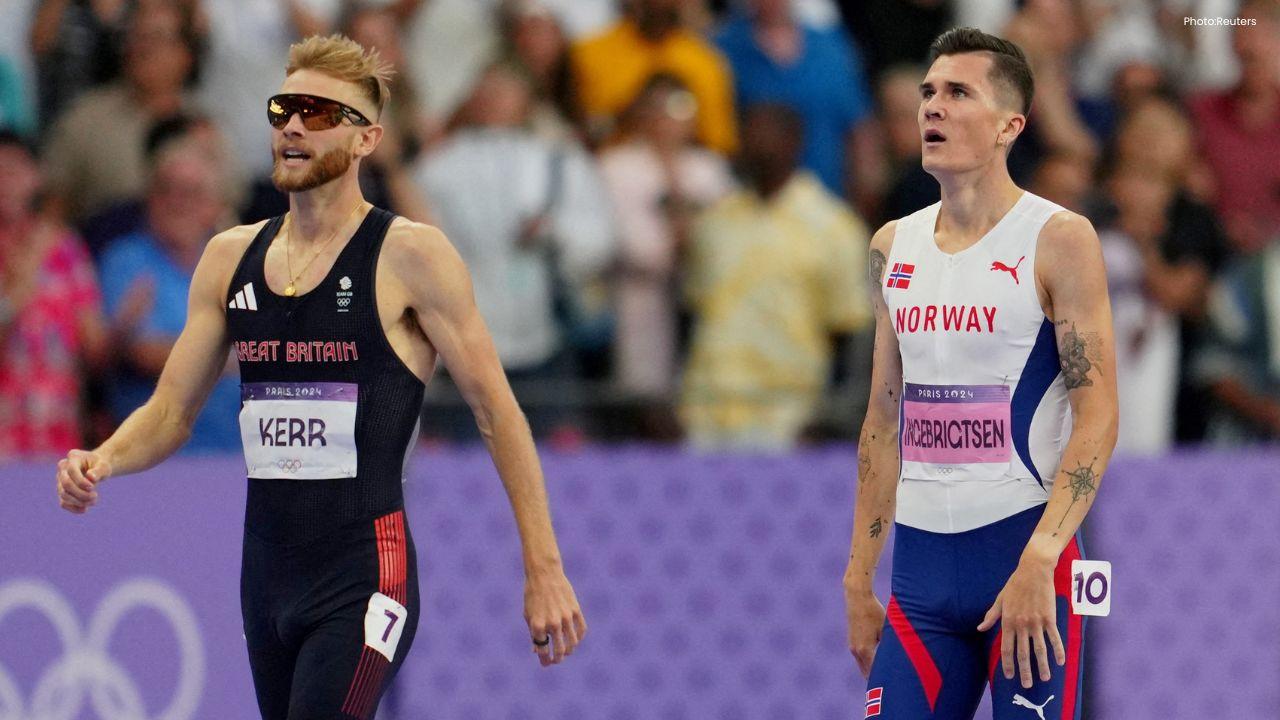




Josh Kerr and Jakob Ingebrigtsen Set for 1,500m Rivalry Rematch
Josh Kerr and Jakob Ingebrigtsen will renew their 1,500m rivalry at the Ultimate Championship in Bud

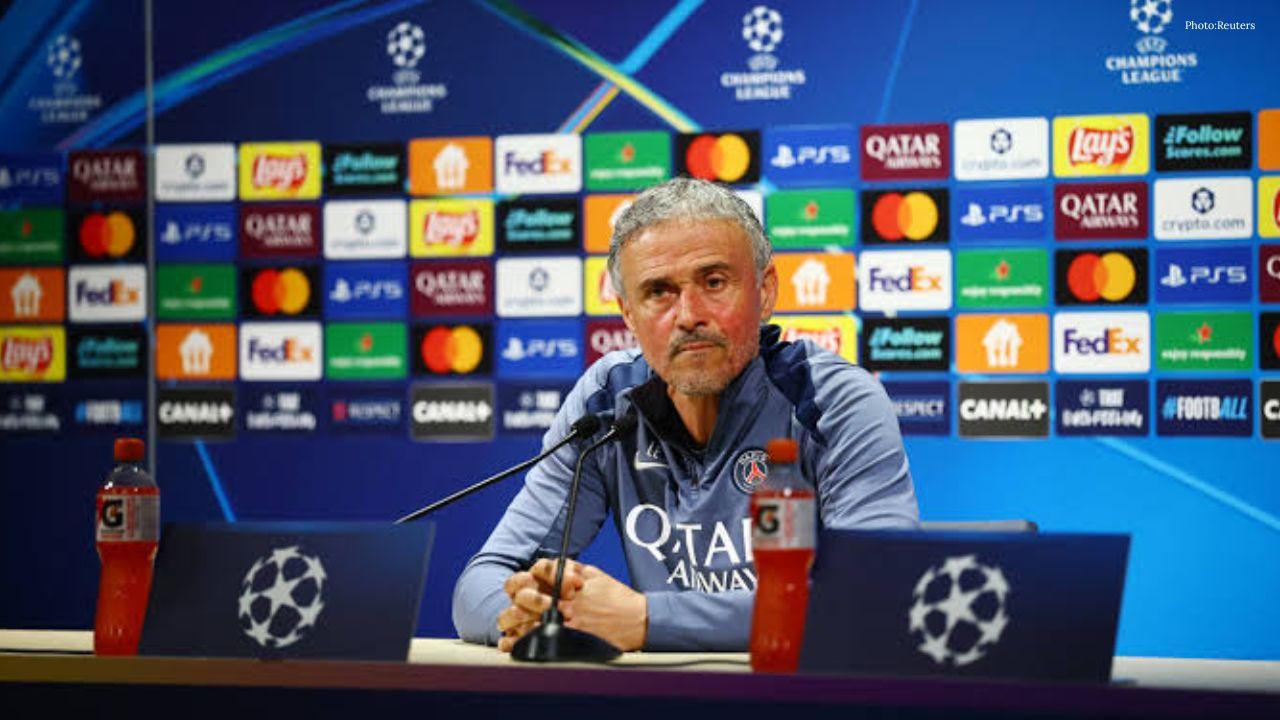
PSG Coach Luis Enrique Urges Players to Step Outside Comfort Zone
PSG coach Luis Enrique says players must leave their comfort zone and keep improving as the club tar

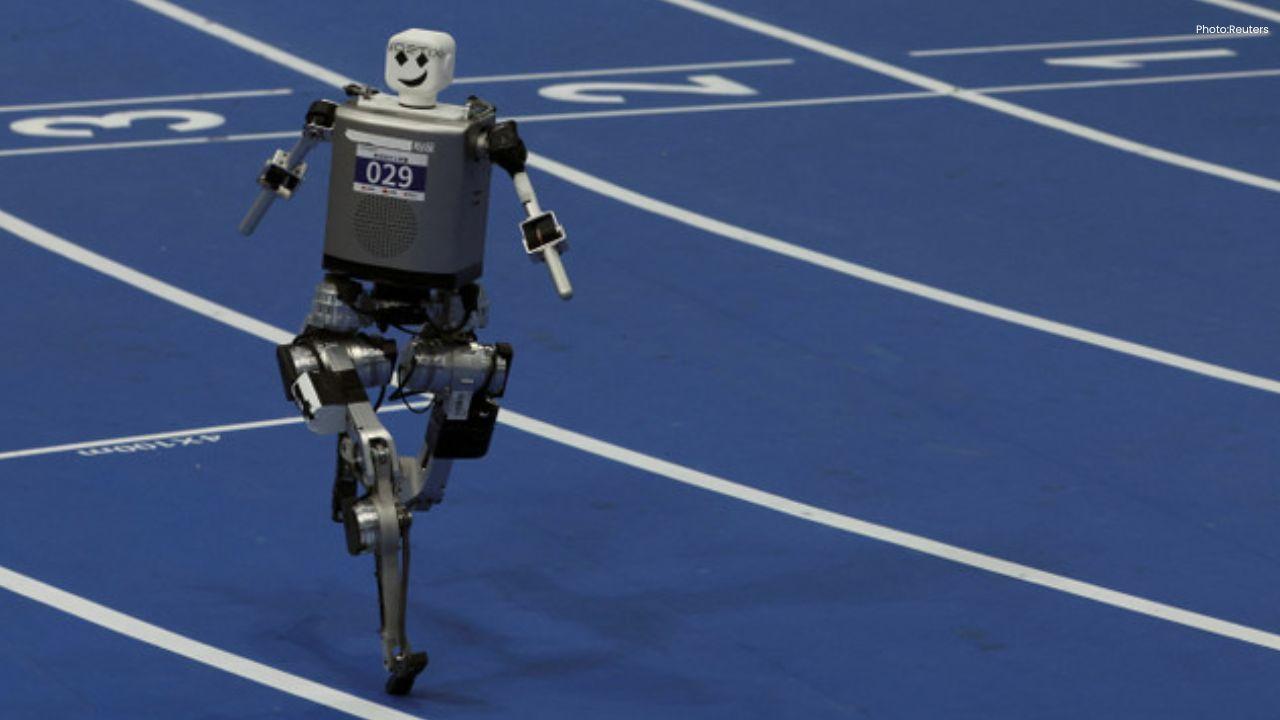
China’s Tiangong Sets New 400m Record at Robot Olympics
China’s Tiangong robot sets a new 400m record at the Robot Olympics, beating a South African robot i
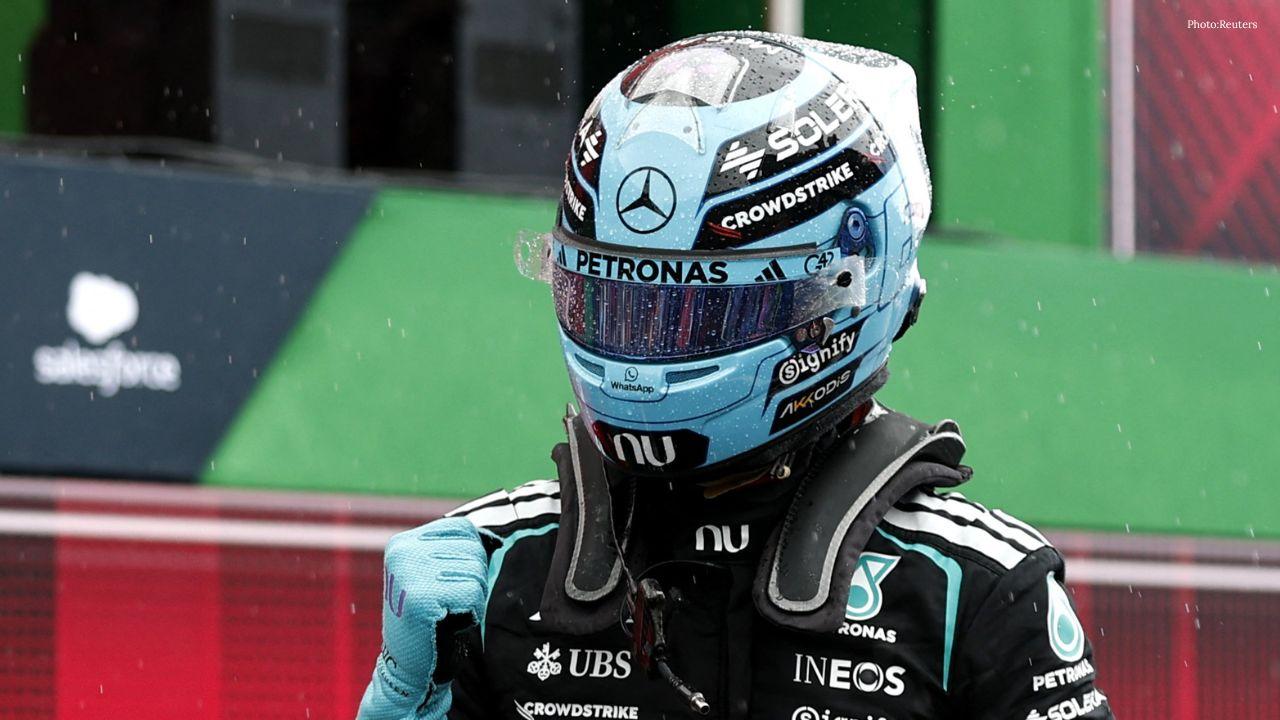
George Russell Wins Dutch GP Sprint, Boosts Mercedes Morale
George Russell wins the Dutch GP Sprint from pole as Mercedes teammate Kimi Antonelli extends his F1
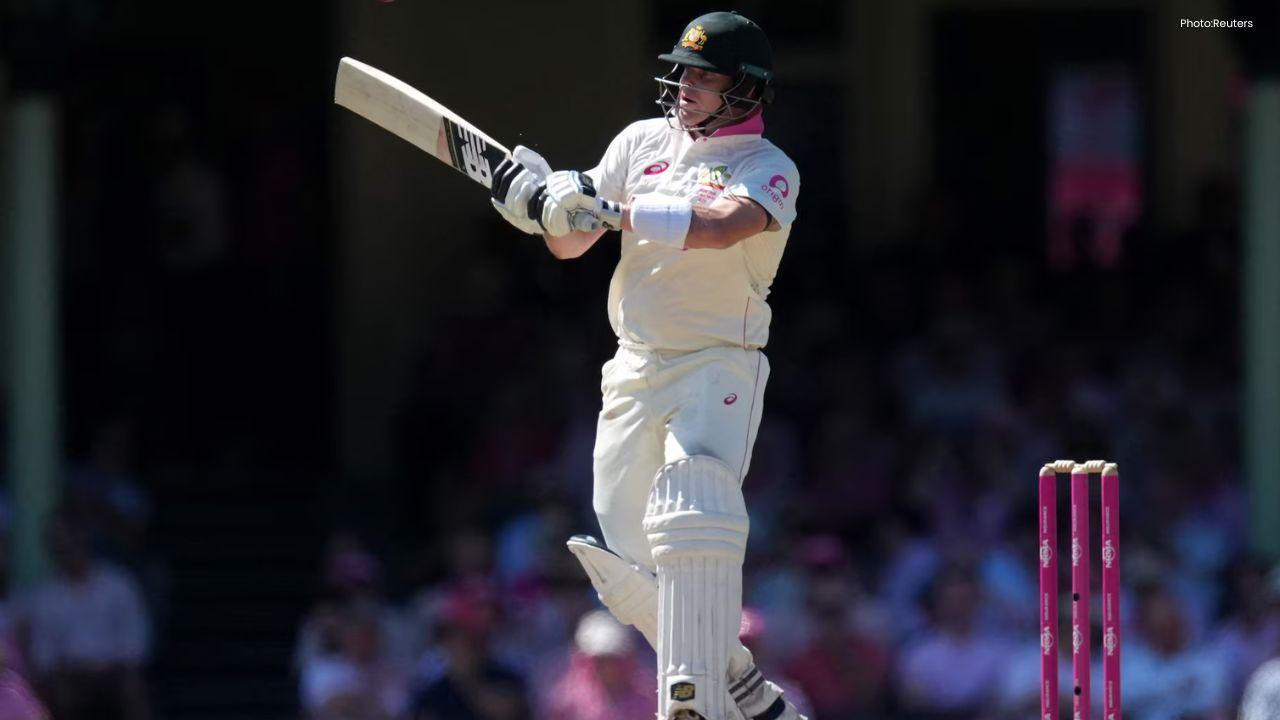
Australia 50/3 After Bangladesh Bowled Out for 64 in Second Test
Australia reached 50/3 after Bangladesh were bowled out for 64 in the second Test, with Mitchell Sta

Jordan Burroughs Returns to Wrestling with 2028 Olympic Dream
Jordan Burroughs returns to wrestling with Real American Freestyle as the Olympic champion eyes a po

