
You have not yet added any article to your bookmarks!
Join 10k+ people to get notified about new posts, news and tips.
Do not worry we don't spam!
Post by : Saif Rahman
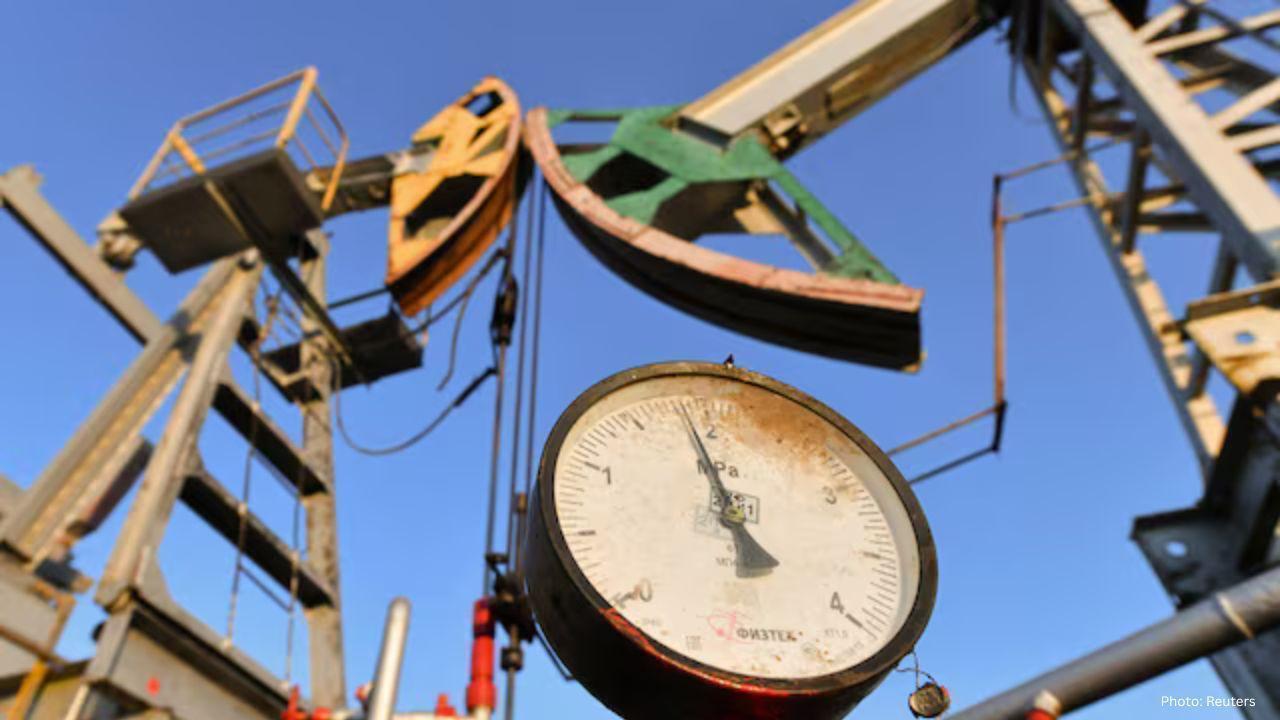
On Friday, global oil prices held mostly steady as investors navigated rising geopolitical tensions alongside robust supply and diminished holiday trading. With many markets experiencing decreased activity post-Christmas, traders opted for caution, keeping prices confined within a narrow band while closely monitoring events that could impact future oil availability.
Brent crude, the global benchmark, saw slight gains, trading above $62 per barrel, while U.S. West Texas Intermediate lingered around $58. These subtle fluctuations reflected an anxious market environment rather than any definitive confidence. Participants are keenly observing political developments across several regions, all the while acknowledging that oil is poised for its most significant yearly decline since 2020.
Recent U.S. airstrikes targeting Islamic State militants in northwest Nigeria have garnered attention, although analysts pointed out that these actions did not target oil fields, pipelines, or export infrastructures—most of which lie far from the conflict area. Consequently, concerns of immediate disruptions remained muted, causing traders to keep a low profile.
Meanwhile, Venezuela remains a focal point as the U.S. intensifies economic pressure through stricter sanctions rather than military interventions. This strategic shift aims to curb Venezuela’s prevalence in the global oil market, potentially impacting supply lines in the forthcoming months. However, high global oil production levels suggest that immediate price repercussions are limited.
A significant hindrance to price increases is the rising supply. OPEC+ and other non-OPEC nations have steadily ramped up production, sparking fears of an oversupplied market as we head into the new year. Typically, when supply growth accelerates beyond demand, prices find themselves under pressure, a reality that investors are acutely aware of.
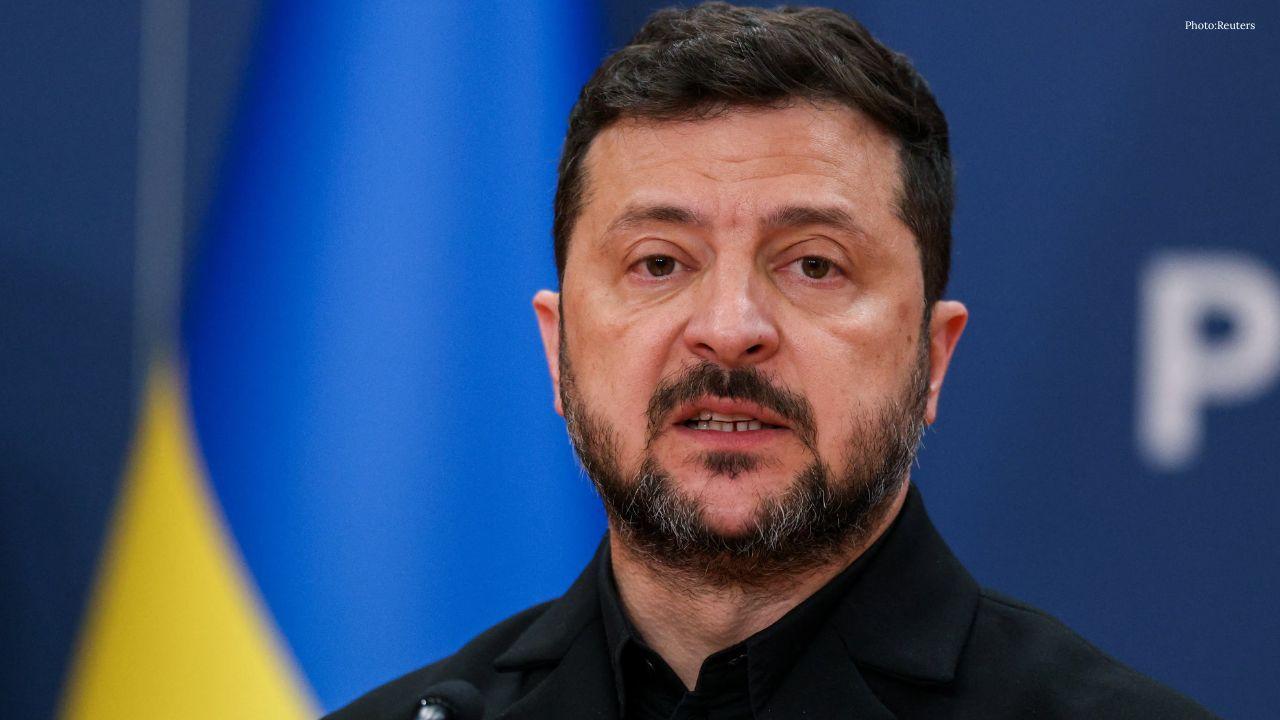
Attention is also shifting towards Eastern Europe; advancements towards peace between Russia and Ukraine could drastically influence oil markets. An easing of sanctions on Russian oil as part of a peace agreement could reintroduce more oil into global markets, exacerbating supply. Although recent communications from leaders on both sides hint at ongoing discussions, a concrete outcome remains elusive.
Overall, oil markets are proceeding cautiously. The confluence of thin trading due to year-end festivities, elevated production levels, and uncertain political landscapes has established a waiting game. Prices remain steady for now, but the trajectory moving into early 2026 will hinge on geopolitical developments, demand recovery, and the strategies of major producers in managing supply.









PSG Coach Luis Enrique Urges Players to Step Outside Comfort Zone
PSG coach Luis Enrique says players must leave their comfort zone and keep improving as the club tar

China’s Tiangong Sets New 400m Record at Robot Olympics
China’s Tiangong robot sets a new 400m record at the Robot Olympics, beating a South African robot i

George Russell Wins Dutch GP Sprint, Boosts Mercedes Morale
George Russell wins the Dutch GP Sprint from pole as Mercedes teammate Kimi Antonelli extends his F1

Australia 50/3 After Bangladesh Bowled Out for 64 in Second Test
Australia reached 50/3 after Bangladesh were bowled out for 64 in the second Test, with Mitchell Sta

Jordan Burroughs Returns to Wrestling with 2028 Olympic Dream
Jordan Burroughs returns to wrestling with Real American Freestyle as the Olympic champion eyes a po

Lamborghini Catches Fire on Singapore's ECP, Causing Heavy Traffic
A Lamborghini caught fire on Singapore's ECP, causing heavy traffic and bus delays. No injuries were

