
You have not yet added any article to your bookmarks!
Join 10k+ people to get notified about new posts, news and tips.
Do not worry we don't spam!
Post by : Saif Rahman
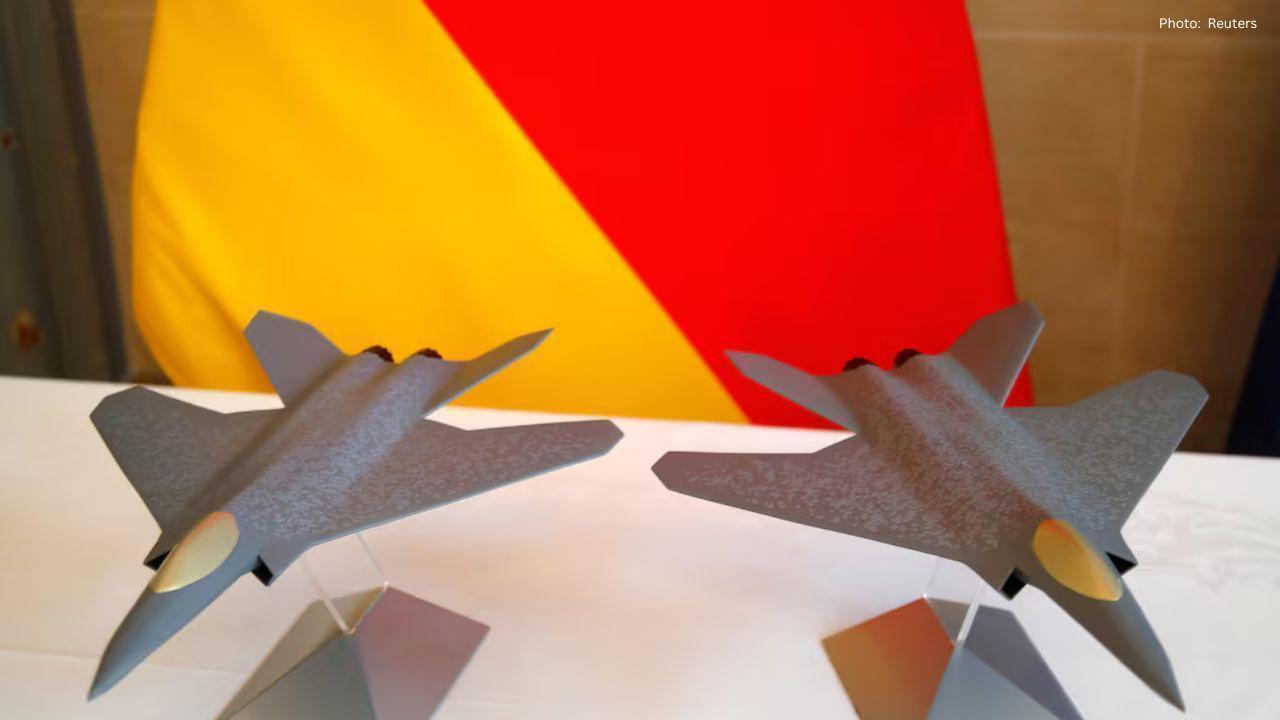
The ambitious initiative to develop Europe’s next-gen fighter jet, known as the Future Combat Air System (FCAS), is grappling with new challenges. On December 11, top officials from Germany, France, and Spain will gather to find a path forward. This colossal defense project is projected to cost around 100 billion euros and aims to produce a cutting-edge fighter aircraft that integrates seamlessly with modern drones by 2040. However, frequent conflicts between the two major players, Airbus and Dassault Aviation, have stalled progress.
Introduced over eight years ago, the FCAS program was intended to fortify Europe’s autonomy in defense at a time of rapidly evolving warfare technologies. Yet despite lengthy negotiations, the effort remains hindered by significant disputes over project control. Airbus takes the lead for Germany and Spain, while Dassault represents France, with both firms vying for a more significant role in the work distribution.
Insiders report that the gap between the two companies has not narrowed, indicating entrenched positions. The matter escalated to the point that French President Emmanuel Macron and German Chancellor Friedrich Merz had to directly intervene last month, urging their defense ministers to seek a resolution. This illustrates the project’s critical importance for Europe’s defense future.
German representatives claim that Dassault is aiming for approximately 80% of the project share, leaving insufficient room for Airbus, a statement that Dassault has vocally refuted. Conversely, French sources argue that Airbus leverages its influence in both Germany and Spain to skew the balance of power. Such reciprocal accusations have resulted in stagnation and eroded trust between the parties involved.
Airbus CEO Guillaume Faury emphasized to Reuters that no single partner should dominate the initiative, advocating for a balanced management structure. While Dassault has refrained from addressing the latest disputes, its CEO Eric Trappier has previously insisted on the necessity for Dassault to have the lead in decision-making regarding the fighter jet component, acknowledging their accountability in that aspect.
Ultimately, these tensions extend beyond mere corporate rivalry; they have implications for Europe’s strategic autonomy and its competitiveness in the global defense arena. Prolonged delays in the FCAS project could potentially leave Europe trailing behind powers like the United States, China, and the UK, which are advancing in their own fighter jet programs. Such circumstances might lead to increased reliance on American jets over time.
The upcoming meeting on December 11 is poised to be a pivotal moment for the FCAS initiative. Defense analysts across Europe are closely monitoring the discussions, hopeful for a trade-off that meets the interests of all three nations. Failure to achieve consensus could see the project mired in delays for years to come, threatening one of Europe’s most vital and ambitious defense strategies.
As it stands, the outlook for the FCAS fighter jet remains unclear, with next week’s decisions set to determine if the initiative can gain momentum or remains hindered by competing national interests.







Hyundai raises profit target, expands hybrid lineup in the US
Hyundai hybrid cars get a major boost as the automaker raises its profit margin target and plans new

Josh Kerr and Jakob Ingebrigtsen Set for 1,500m Rivalry Rematch
Josh Kerr and Jakob Ingebrigtsen will renew their 1,500m rivalry at the Ultimate Championship in Bud
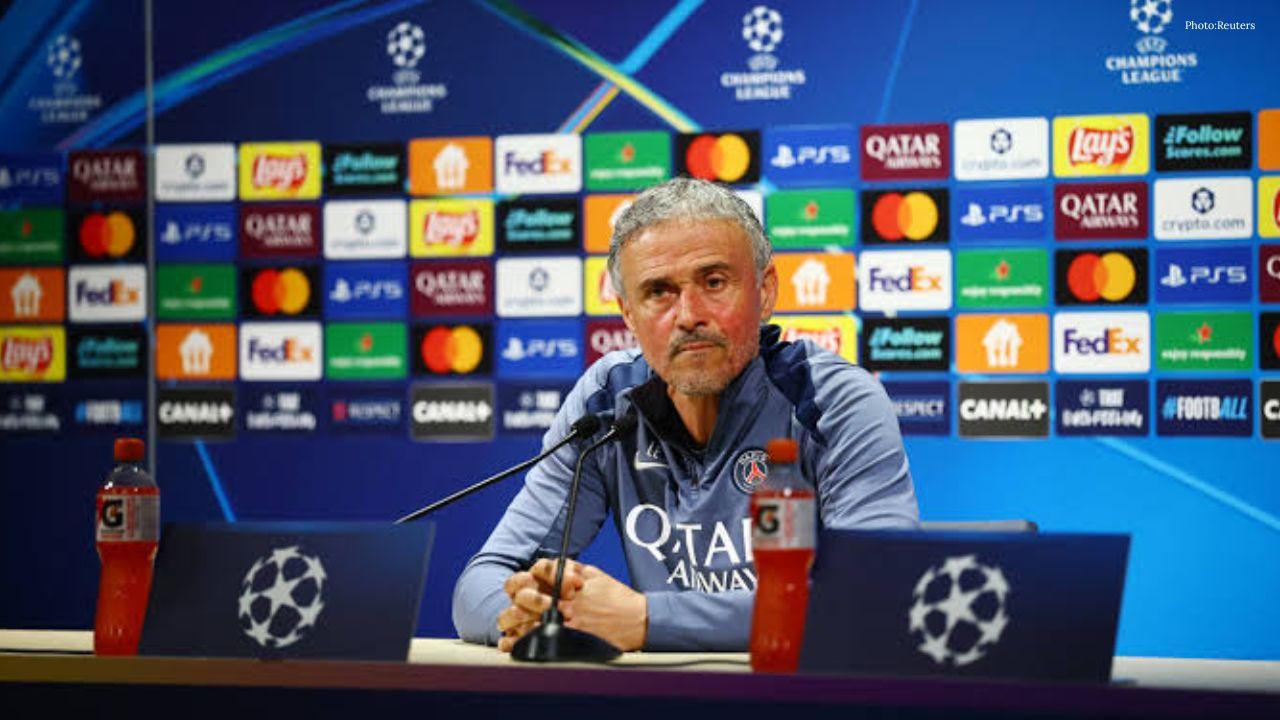
PSG Coach Luis Enrique Urges Players to Step Outside Comfort Zone
PSG coach Luis Enrique says players must leave their comfort zone and keep improving as the club tar

China’s Tiangong Sets New 400m Record at Robot Olympics
China’s Tiangong robot sets a new 400m record at the Robot Olympics, beating a South African robot i

George Russell Wins Dutch GP Sprint, Boosts Mercedes Morale
George Russell wins the Dutch GP Sprint from pole as Mercedes teammate Kimi Antonelli extends his F1

Australia 50/3 After Bangladesh Bowled Out for 64 in Second Test
Australia reached 50/3 after Bangladesh were bowled out for 64 in the second Test, with Mitchell Sta

