
You have not yet added any article to your bookmarks!
Join 10k+ people to get notified about new posts, news and tips.
Do not worry we don't spam!
Post by : Rameen Ariff
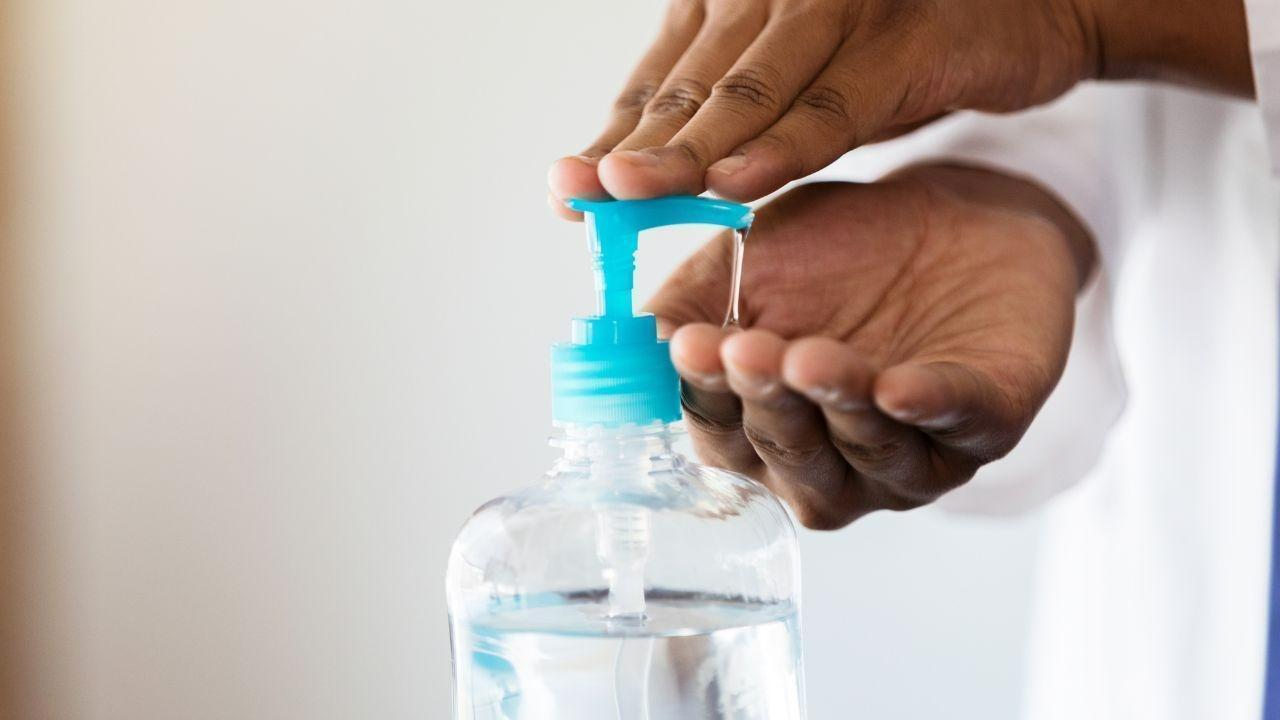
The European Union is currently assessing the safety of ethanol, a prevalent component in hand sanitisers, amidst growing apprehensions about its potential cancer risks. The European Chemicals Agency (ECHA) has flagged ethanol as possibly toxic, raising alarms about the increased risk of cancer and pregnancy-related issues. This scrutiny has sparked discussions regarding viable substitutions in cleansing and hygiene products, aligning with the EU's goal to enhance consumer safety by limiting exposure to potentially hazardous substances. The spotlight on ethanol in hand sanitisers has captured considerable international interest.
An internal recommendation from October 10, 2025, suggests that the dangers posed by ethanol may warrant its removal from biocidal and hygiene products. The ECHA’s Biocidal Products Committee is set to convene from November 25 to November 28 to evaluate these concerns. Should ethanol be classified as carcinogenic, the European Commission might advocate for its replacement in hand sanitisers with safer options. Nevertheless, the agency notes that ethanol could still gain approval if exposure levels are deemed safe or if no practical alternatives are available.
In contrast, the World Health Organization (WHO) continues to endorse ethanol and isopropanol as safe options for hand hygiene. WHO guidelines reinforce that ethanol-based hand sanitisers remain both efficient and safe when used correctly, underscoring the global dependence on ethanol for infection control and personal cleanliness. This ongoing dispute over ethanol usage underscores the clash between regulatory prudence and prevailing global health standards.
Experts caution that if the ban on ethanol is implemented, it could have extensive ramifications for the hand hygiene industry, impacting hospitals, homes, and enterprises relying on ethanol-infused products. Reformulating hand sanitisers to include isopropanol or alternative agents could elevate costs and induce supply chain issues. Public health officials, however, advise against consumer panic, emphasizing ethanol's long-standing role in effective hand hygiene.
This ongoing dialogue regarding ethanol incorporation in hand sanitisers illustrates a universal challenge in reconciling safety with public health imperatives. As the EU further investigates the cancer risks associated with ethanol, its conclusions may reshape global standards for hand hygiene products. Presently, both consumers and healthcare professionals are attentively monitoring the situation, as the outcome holds significant implications for regulatory frameworks and everyday infection-prevention practices.








Michael Bracewell Chooses Casual Contract, Targets BBL Opportunity
Michael Bracewell moves to a casual contract as he eyes a BBL opportunity while remaining available

Tuchel Says Alex Scott Can Challenge Declan Rice for England Midfield Spot
Thomas Tuchel says Alex Scott can challenge Declan Rice for an England midfield place after his impr

Air Quality Turns Unhealthy in Central and Western Singapore Amid Haze
Singapore haze pushes PSI above 100 in central and western areas as smoke from regional hotspots rai

PM Modi Pays Tribute to Mahatma Gandhi, Urges People to Support Khadi
PM Modi pays tribute to Mahatma Gandhi on Gandhi Jayanti and urges citizens to support Khadi and the

Amazon Seeks to Offload $8 Billion in Nvidia Chips to Investors
Amazon plans to move $8 billion in Nvidia chips to investors, using a new financing model to strengt

Samsung Raises Galaxy S26 Prices as Memory Chip Costs Rise
Samsung raises Galaxy S26 prices in South Korea as rising memory chip costs put pressure on smartpho

