You have not yet added any article to your bookmarks!
Join 10k+ people to get notified about new posts, news and tips.
Do not worry we don't spam!

Post by : Anis Farhan
For decades, studying abroad often meant applying to universities in the United States, the United Kingdom, Canada, or Australia. These countries were regarded as the primary hubs for quality education, global exposure, and career advancement. However, in recent years, this pattern has begun to change. A growing wave of students are now exploring unconventional countries for their higher education journeys. From Eastern Europe to Southeast Asia, and from the Middle East to South America, the map of global education migration is being redrawn.
This shift reflects evolving aspirations among young learners who are seeking more than just a degree. They are pursuing affordability, unique cultural experiences, alternative academic strengths, and better lifestyle opportunities. As a result, countries that were once overlooked are now attracting students in significant numbers.
One of the most obvious reasons students are rethinking traditional destinations is cost. Tuition fees and living expenses in the US or UK have skyrocketed over the years, making them less accessible for middle-class families. Rising visa restrictions and uncertain immigration policies also add to the challenges.
Furthermore, global students are increasingly wary of being just another number in overcrowded international programs. Many are searching for personalized experiences, smaller classroom environments, and opportunities to stand out rather than blending into massive cohorts. These push factors are driving students toward newer horizons.
Today, countries that once remained on the sidelines are stepping into the spotlight. Nations like Poland, Hungary, and the Czech Republic are offering affordable yet high-quality education. In Asia, Malaysia, South Korea, and even Thailand have become hotspots for international students due to their rising academic standards and lower costs of living.
Meanwhile, the Middle East, particularly the United Arab Emirates and Qatar, is positioning itself as a global education hub with international branch campuses and world-class infrastructure. Latin American countries such as Mexico, Chile, and Brazil are also opening doors to international students, promising both affordability and vibrant cultural experiences.
These destinations may not always rank at the very top of global university lists, but they bring a different kind of value—practicality, diversity, and unique learning experiences that cannot be found elsewhere.
One of the strongest appeals of unconventional destinations is the affordability they provide. Countries like Germany already offer low-cost education, but others are now joining this trend by providing attractive scholarship packages for international students.
For example, Eastern European countries often charge a fraction of the tuition compared to Western universities while still maintaining international standards of education. Similarly, Southeast Asian nations are offering scholarships aimed at attracting foreign talent, viewing education as both a soft power tool and an economic driver.
This affordability doesn’t just reduce financial strain; it also allows students to explore extracurricular activities, travel within the region, and invest in skill development without constant worries about money.
Students are increasingly looking for education that extends beyond the classroom. They want to experience new cultures, languages, and lifestyles. Unconventional destinations provide precisely this kind of opportunity.
For instance, a student studying in Turkey gains exposure to both European and Middle Eastern cultures. A learner in Malaysia can engage with a truly multicultural society while being situated in the heart of Southeast Asia. These unique cultural blends enrich personal growth and help students develop global perspectives.
The diversity of experiences offered by these new destinations can often outweigh the prestige of traditional universities, especially for students who value adaptability and global citizenship as essential life skills.
In many unconventional destinations, local industries are actively seeking international talent. Countries with growing economies often face skill gaps in fields such as engineering, information technology, healthcare, and renewable energy. International students who study locally can tap into these opportunities, sometimes finding it easier to secure internships and jobs compared to traditional Western hubs, where competition is fierce.
Additionally, these countries are also establishing post-study work visas and residency options to retain international graduates. For students looking to build long-term careers abroad, such pathways are extremely attractive.
Global events such as the COVID-19 pandemic have also accelerated the shift toward unconventional education destinations. When travel restrictions hit, students who once focused exclusively on countries like the US had to reconsider their plans. Nations that managed the crisis effectively and kept borders relatively accessible gained traction among international learners.
Geopolitical factors also play a role. Rising tensions, changes in visa policies, and global economic shifts have made traditional destinations less predictable, encouraging students to spread out their choices. The result is a more diversified map of international education.
Despite their advantages, studying in unconventional countries comes with challenges. Language barriers can be a significant hurdle, especially in regions where English is not the primary medium of instruction. Students may also face difficulties in adjusting to local cultures, administrative processes, or differences in academic structures.
Another concern is global recognition. While many universities in emerging destinations provide high-quality education, their degrees may not always carry the same weight globally as those from Ivy League or Oxbridge institutions. Students must carefully evaluate whether their chosen course aligns with long-term career goals.
In many cultures, parents play a central role in deciding where their children study. Convincing families to consider unconventional destinations can sometimes be a challenge, especially when traditional countries are seen as tried and tested.
However, as awareness grows about the benefits of affordability, safety, and international recognition in new destinations, parental attitudes are slowly changing. Many parents now value the opportunity for their children to explore unique global environments while remaining financially stable.
Another factor that complements the rise of unconventional education destinations is technology. With online resources, hybrid learning models, and digital classrooms, students today can easily research, compare, and even begin coursework remotely before moving abroad.
This digital flexibility has empowered students to take bold decisions, experiment with new destinations, and embrace education in ways that were previously unthinkable. Countries leveraging technology in their education systems are gaining recognition among the younger generation.
The shift toward unconventional countries is not just a passing trend—it may well define the future of education migration. As global dynamics evolve, students will increasingly look for value-driven education that offers more than just prestige.
In the next decade, we may see even more unconventional destinations rising to prominence. African nations with growing universities, Central Asian states investing in higher education, and small European countries with specialized programs could all become hotspots for global learners.
The future will likely not be dominated by one or two countries but by a diverse set of destinations, offering students greater choice and flexibility than ever before.
The world of higher education is undergoing a transformation. While the US, UK, Canada, and Australia remain popular, the tide is turning toward countries that were once overlooked. Affordability, cultural diversity, emerging career opportunities, and shifting global policies are encouraging students to look beyond the obvious.
For students, this means greater choice, more tailored experiences, and opportunities to grow in ways traditional education hubs might not provide. For the world, it means a more balanced global exchange of ideas, skills, and talent. Education migration is no longer about following the crowd—it’s about forging new paths in a rapidly changing world.
This article is intended for informational purposes and reflects current global education migration trends. Readers are encouraged to research specific universities and programs before making study-abroad decisions.










Australia 50/3 After Bangladesh Bowled Out for 64 in Second Test
Australia reached 50/3 after Bangladesh were bowled out for 64 in the second Test, with Mitchell Sta

Jordan Burroughs Returns to Wrestling with 2028 Olympic Dream
Jordan Burroughs returns to wrestling with Real American Freestyle as the Olympic champion eyes a po

Lamborghini Catches Fire on Singapore's ECP, Causing Heavy Traffic
A Lamborghini caught fire on Singapore's ECP, causing heavy traffic and bus delays. No injuries were

Bangkok Airport Duty-Free Area Flooded by Pipe Burst
A burst water pipe flooded the duty-free shopping area at Bangkok's Suvarnabhumi Airport on July 16,
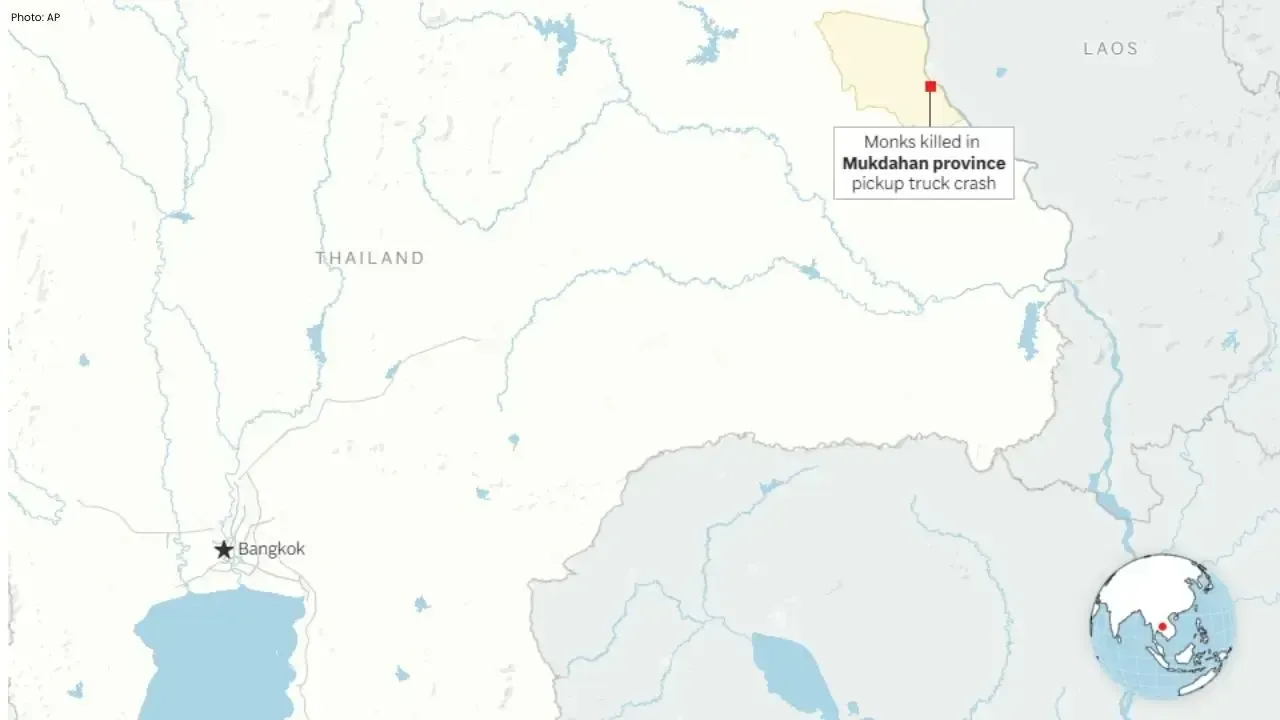
Nine Monks Killed in Thailand Pickup Truck Tragedy
An 11-year-old boy driving a pickup truck crashed into monks during a pilgrimage in northeastern Tha
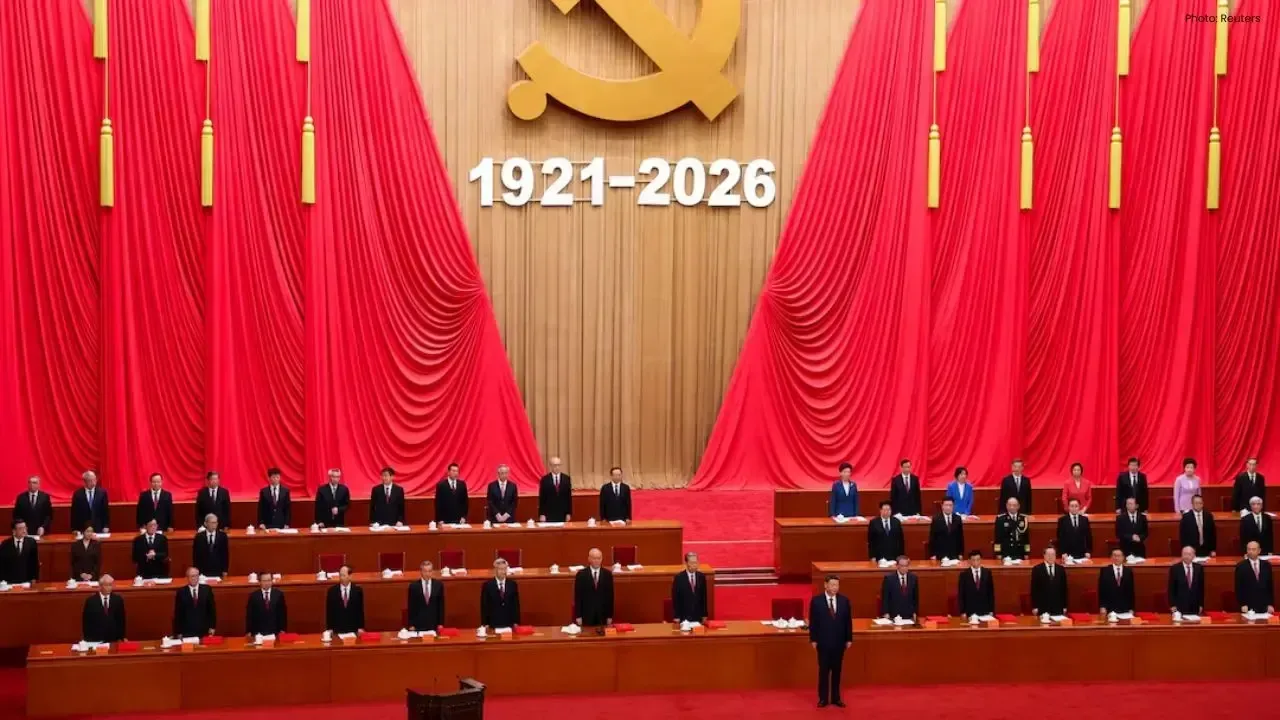
Anwar Congratulates Xi on CPC's 105th Anniversary
Malaysia reaffirms strong ties with China as PM Anwar Ibrahim sends a congratulatory letter to Presi