
You have not yet added any article to your bookmarks!
Join 10k+ people to get notified about new posts, news and tips.
Do not worry we don't spam!
Post by : Shweta
A surge in Ebola cases across Central Africa has resulted in more than 120 fatalities, alongside over 300 suspected instances of the virus, primarily affecting the Democratic Republic of Congo (DRC) and striking neighboring Uganda. The World Health Organization (WHO) has categorized this escalating situation as a global public health crisis due to the alarming rate of infections and the potential for broader international spread.
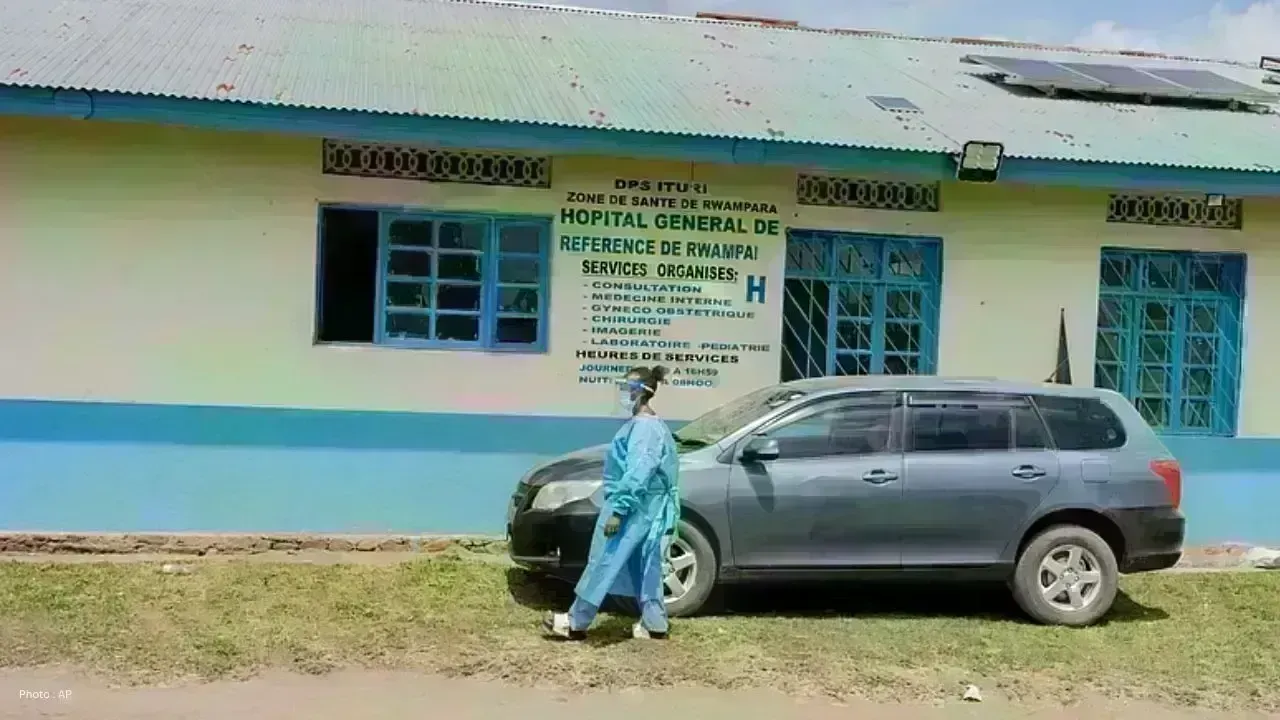
Health officials indicate that the outbreak is linked to the rare Bundibugyo strain of Ebola, a perilous variant with no existing vaccines or targeted therapies available. The crisis is predominantly situated in Ituri province of eastern Congo, where both confirmed and suspected cases are reported to be rising consistently each day. Current figures reveal at least 120 fatalities and over 300 suspected cases across various locations.
The WHO has raised alarms as the virus is now penetrating major urban centers like Goma in eastern Congo and Kampala in Uganda. Experts caution that increased movement across borders, coupled with the density of urban living and ongoing conflicts, heightens the risk of the virus's rapid transmission. Officials also warned that the real case count may be significantly higher, as many suspected cases remain under investigation amidst limited healthcare access in several areas.
Health authorities have confirmed that multiple healthcare workers have succumbed to the virus, prompting heightened fears regarding its spread within medical facilities. WHO spokespersons reported that at least four medical personnel perished after displaying Ebola symptoms, reflecting severe inadequacies in protective measures and healthcare protocols within the afflicted regions, which are already challenged by ongoing violence and subpar infrastructure.
Ebola is regarded as one of the world’s most lethal viruses, transmitted through direct interaction with infected bodily fluids like blood or sweat. Initial symptoms generally include fever, weakness, and muscle aches, which can quickly escalate to severe gastrointestinal distress, hemorrhaging, and organ failure in critical scenarios. The Bundibugyo variant typically shows fatality rates ranging from 25% to 50%.
International health organizations are mobilizing emergency provisions, diagnostic tools, and medical personnel to the affected regions. New Ebola treatment facilities have been established in Ituri province as officials strive to isolate patients to hinder further spread. Efforts are also underway to trace contacts of confirmed cases.
Fear is palpable across eastern Congo, with communities already grappling with instability, poverty, and inadequate healthcare services. Misinformation and mistrust towards health authorities further complicate containment actions. Disturbingly, some families are opting to avoid medical facilities out of fear, increasing the probability of undiscovered infections circulating within local communities.
Uganda is ramping up border screenings and health checks since confirming imported Ebola cases from travelers arriving from Congo. The U.S. Centers for Disease Control and Prevention (CDC) and other international bodies are closely observing the outbreak amid worries about cross-border transmission and the implications of international travel.
WHO Director-General Tedros Adhanom Ghebreyesus expressed serious concern over the swift progression of the outbreak. He cautioned that rising case numbers, urban infections, and fragile healthcare systems could result in a much more significant crisis if not promptly addressed. The WHO's emergency committee emphasizes the necessity for urgent international assistance, enhanced surveillance, bolstered medical responses, and improved collaboration among African nations.
This outbreak has escalated into one of the most critical Ebola emergencies encountered in recent years, in a region that has faced recurrent Ebola threats over the decades. Health officials maintain that prompt medical intervention, community cooperation, safe burial practices, and substantial international support will be pivotal in combating the outbreak in the weeks to come.










PM Modi Pays Tribute to Mahatma Gandhi, Urges People to Support Khadi
PM Modi pays tribute to Mahatma Gandhi on Gandhi Jayanti and urges citizens to support Khadi and the

Amazon Seeks to Offload $8 Billion in Nvidia Chips to Investors
Amazon plans to move $8 billion in Nvidia chips to investors, using a new financing model to strengt

Samsung Raises Galaxy S26 Prices as Memory Chip Costs Rise
Samsung raises Galaxy S26 prices in South Korea as rising memory chip costs put pressure on smartpho

Lewis Hamilton Calls Singapore Grand Prix One of F1's Toughest Races
Lewis Hamilton discusses the demanding Singapore Grand Prix and brings Plus44 and Almave to Singapor

Denmark's Pandora Opens World's Largest Jewellery Factory in Vietnam
Pandora opens its largest jewellery factory in Vietnam, expanding global production, strengthening s

Gautam Gambhir Questions Batting-Friendly Pitches After India's Record ODI Chase
Gautam Gambhir questions batting-friendly ODI pitches after India’s record chase, calling for a bett

