
You have not yet added any article to your bookmarks!
Join 10k+ people to get notified about new posts, news and tips.
Do not worry we don't spam!
Post by : Shweta
A fresh opinion piece has ignited discussion amidst the ongoing crisis in Iran, focusing on how media and public sentiments respond to unsuccessful diplomatic endeavors in international disputes. Entitled “Critical Perspectives on Iran's Diplomatic Challenges,” this article scrutinizes the recent collapse of peace negotiations between Iran and the United States, highlighting a troubling trend of derision directed at mediation attempts rather than a thoughtful exploration of their significance.
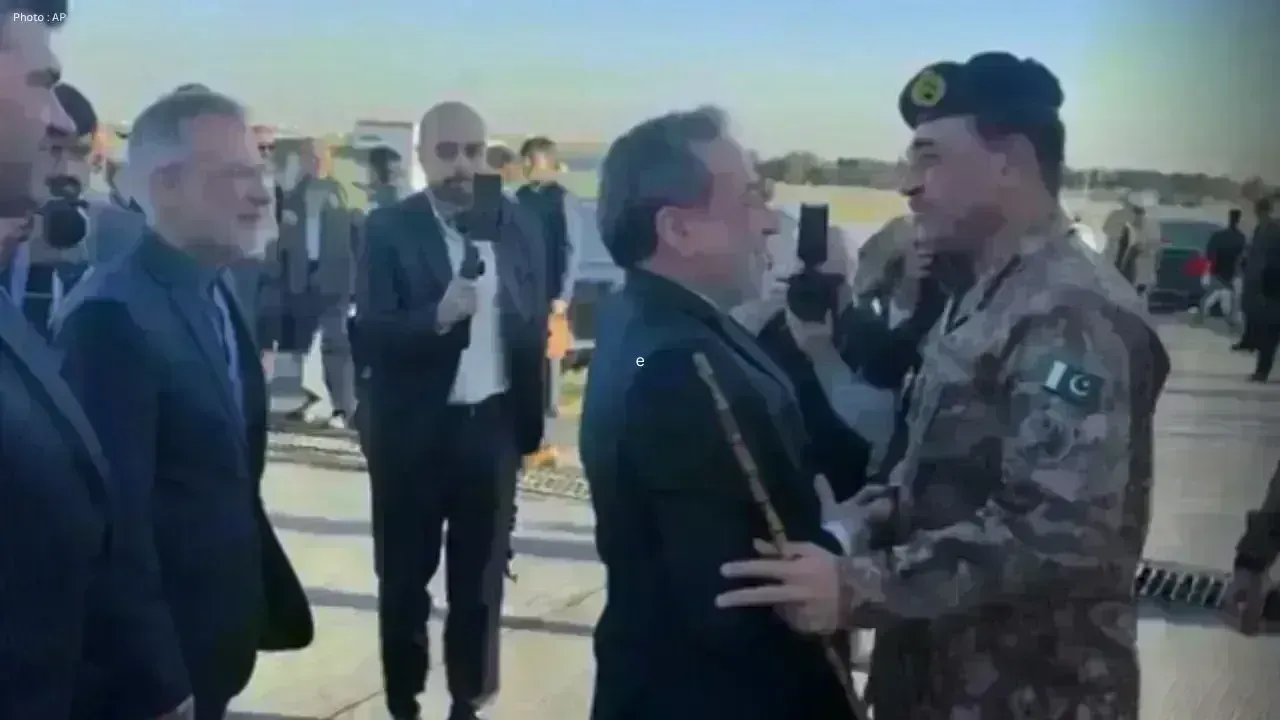
Written by Manoj Kumar Jha, an Indian politician and academic, the piece published by Outlook India brings to light Pakistan's bid to act as a facilitator in the discussions between Iran and the U.S., amidst escalating tensions in the Middle East. Jha notes with concern the media's penchant for ridicule over serious diplomatic critique regarding these initiatives.
The article posits that diplomacy ought not to be perceived as mere entertainment or political theatrics, especially during turbulent global times. It asserts that even failed negotiations play a critical role in mitigating larger conflicts and easing national tensions. The author warns that dismissing unsuccessful peace efforts points to a deeper malady within contemporary political discourse, which increasingly fixates on the notion of “winners and losers” rather than fostering enduring stability and peace.
Also addressed are the broader ramifications stemming from failed negotiations between Iran and the U.S. The opinion highlights the potential plunge into chaos, with increased pressure on global oil supplies and the looming threat of military confrontation in a region already rife with tension. Jha underscores that international diplomatic efforts often entail a slow and intricate path, where even incremental progress bears significance.
This timely discussion emerges in the backdrop of heightened tensions concerning Iran following military skirmishes, sanctions arguments, and intensified anxieties over shipping security in the Strait of Hormuz. Nations such as Pakistan and those in the Gulf region have, reportedly, been seeking to facilitate indirect dialogues between Washington and Tehran to avert another major conflict in this volatile area.
Moreover, the piece notes that nations endeavoring to mediate are often propelled not solely by a vision for peace but also by strategic interests aimed at enhancing their diplomatic clout. Nevertheless, these initiatives warrant focused scrutiny as they may serve as conduits for conversation among competing powers.
Analysts observe that public perceptions of international diplomatic efforts have transformed markedly in the digital era, driven by social media dynamics and polarized news portrayals. Experts contend that negotiations are now frequently represented in reductive narratives prioritizing political rivalries and nationalistic sentiments over the nuanced complexities inherent in conflict resolution.
The article also raises pertinent points about the influence of South Asian politics on public perceptions of Middle Eastern developments. Jha argues that regional rivalries can skew attitudes to the extent that peace initiatives from adversarial nations are criticized, regardless of the intent behind them.
Although framed as commentary rather than hard news, this piece has garnered significant attention due to the current critical negotiations involving Iran, the U.S., and various regional stakeholders. Ongoing diplomatic discourse is essential as world leaders endeavor to stave off further escalation in the Middle East and ensure the security of vital international energy routes from disruption.










PM Modi Pays Tribute to Mahatma Gandhi, Urges People to Support Khadi
PM Modi pays tribute to Mahatma Gandhi on Gandhi Jayanti and urges citizens to support Khadi and the

Amazon Seeks to Offload $8 Billion in Nvidia Chips to Investors
Amazon plans to move $8 billion in Nvidia chips to investors, using a new financing model to strengt

Samsung Raises Galaxy S26 Prices as Memory Chip Costs Rise
Samsung raises Galaxy S26 prices in South Korea as rising memory chip costs put pressure on smartpho

Lewis Hamilton Calls Singapore Grand Prix One of F1's Toughest Races
Lewis Hamilton discusses the demanding Singapore Grand Prix and brings Plus44 and Almave to Singapor

Denmark's Pandora Opens World's Largest Jewellery Factory in Vietnam
Pandora opens its largest jewellery factory in Vietnam, expanding global production, strengthening s

Gautam Gambhir Questions Batting-Friendly Pitches After India's Record ODI Chase
Gautam Gambhir questions batting-friendly ODI pitches after India’s record chase, calling for a bett

