You have not yet added any article to your bookmarks!
Join 10k+ people to get notified about new posts, news and tips.
Do not worry we don't spam!
Post by : Anis Farhan
For generations, comfort has defined modern living. Temperature-controlled homes, heated showers, air-conditioned offices, insulated clothing — we engineered life to eliminate discomfort. And it worked. But something unexpected happened: by removing stress from the body, we weakened its resilience.
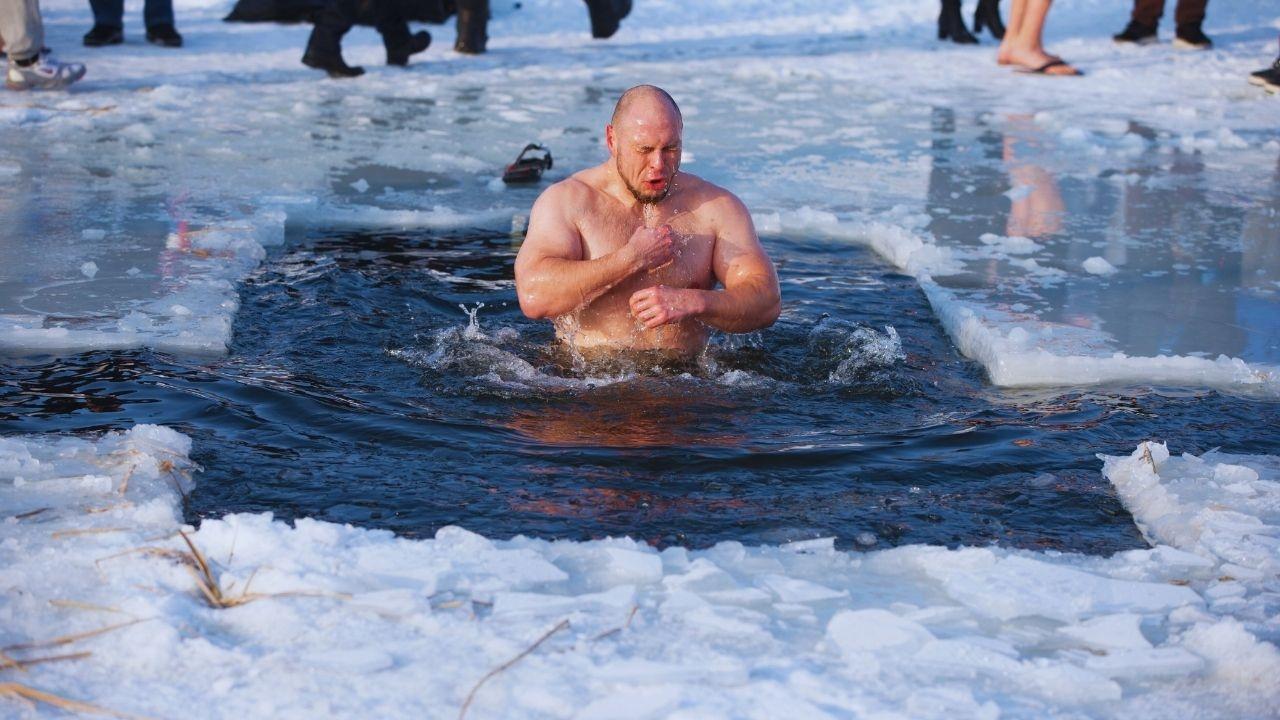
Today’s wellness movement is reversing that trend. Across the world, people are voluntarily stepping into ice baths, plunging into rivers at dawn, sweating in wooden saunas, walking barefoot on dewy mornings, and embracing thermal shock rituals. These intermittent exposure therapies are not punishment — they are training. A way to reintroduce natural stressors that awaken the body's adaptive intelligence.
The idea is simple: small, controlled doses of discomfort strengthen us physically and emotionally. Instead of running from nature’s extremes, humans are learning to dance with them again.
Modern life has comfort, but it also has burnout, anxiety, emotional fatigue, and weakened physical resilience. Humans evolved in a world that challenged them — cold rivers, hot sun, fluctuating environments. An overly comfortable life leaves the nervous system under-stimulated and the mind over-stimulated.
Cold and heat exposure reintroduce balance. They offer:
– a break from digital overload
– a sense of control over body and breath
– emotional clarity through physiological reset
– deeper connection to the present moment
– empowerment through mastering stress
People are no longer chasing comfort — they are choosing conscious challenge.
Cold-water immersion has become a global ritual. From Nordic ice dips to Himalayan river baths to modern cryotherapy tubs, the movement has exploded. What attracts people to freezing water? A deep biological response.
Cold triggers:
– increased endorphin release
– heightened adrenaline for alertness
– improved blood circulation
– enhanced immune activation
– reduced inflammation
– better metabolic response
– mental stamina and calm post-stress
Participants describe a mental shift: first shock, then surrender, then euphoria. The cold strips away mental noise — only breath and presence remain.
Cold exposure has become a meditation. A reset button for the nervous system.
While cold therapy energizes, heat therapy melts tension away. Saunas, steam baths, thermal domes, hot springs, clay rooms, and sweat rituals can be found across cultures — Nordic, Turkish, Japanese, Native American, Indian, Middle Eastern.
Heat exposure encourages:
– intense detox through sweating
– cardiovascular activation
– muscle relaxation and pain reduction
– respiratory cleansing
– emotional release
– deeper sleep and parasympathetic activation
Heat teaches surrender rather than shock. It softens physical and emotional tightness, invites silence, and promotes deep exhale moments.
Together, heat and cold offer a yin-yang wellness pattern — one sharpens, one soothes.
The wellness world is embracing hormesis — exposing the body to manageable stress for long-term strength. Similar examples exist:
– intermittent fasting
– breath-holding techniques
– high-intensity short-duration exercise
– sun exposure done consciously
Cold and heat therapy fall into the same science: stress that heals, not harms.
The body, challenged in moderation, becomes stronger than ever.
Controlled breathing has become inseparable from cold-heat therapy. Breath training helps regulate fear, sharpen focus, calm panic, and create inner stillness. It builds emotional muscle. Whether through ancient pranayama or modern breath-training routines, breath is the tool that makes extreme exposure an inner journey, not a battle.
People breathe through discomfort, and in doing so, they learn to breathe through life’s challenges too.
Cold and heat exposure are physical practices, but the transformation is mental:
– confronting panic calmly
– staying present under stress
– learning emotional self-control
– building courage
– finding patience inside intensity
Participants often say:
“If I can stay calm in ice, I can stay calm anywhere.”
The body becomes a classroom. The mind becomes a student.
Modern stress often hides in the body — shoulders stiff, jaw clenched, breath shallow. Cold shocks the nervous system open; heat melts tension out. Many people experience emotional release after sessions: quiet tears, spontaneous laughter, profound gratitude.
It isn’t weakness — it's cleansing. A reset for emotional circuitry.
Mental wellness is not just meditation and journaling anymore — it's somatic, lived in sensation, breath, and primal connection.
Ice baths and sauna circles are becoming social experiences. Groups gather at beaches, rooftops, rivers, wellness studios, and gyms to practice together. These rituals build community through shared challenge.
Modern connection rarely comes from comfort — it comes from shared transformation. Cold and heat sessions create a tribe — bonded by breath, silence, and personal breakthrough.
This isn't fitness — it’s human connection reborn.
The trend isn’t rural or spiritual alone. Urban wellness hubs now offer:
– thermal contrast rooms
– guided ice-bath events
– sauna meditation circles
– rooftop cold plunges
– breath-and-cold bootcamps
– spa-sauna-plunge circuits
City stress meets primal therapy. Silence meets stimulation. The ancient meets modern architecture.
Wellness becomes both ritual and lifestyle.
Many people now incorporate small thermal habits daily:
– cold showers
– hot-cold alternating taps
– sunrise ocean dips
– backyard ice baths
– steam room visits
– sauna clubs
The idea isn’t intensity — it’s consistency. A few minutes a day becomes a lifelong discipline.
Just as morning runs shaped earlier fitness culture, morning plunges are becoming the new discipline of achievers and wellness seekers.
Cold and heat exposure connect humans with elements — water, fire, breath, earth. There's grounding in nature's extremes. Spiritual seekers describe:
– ego quieting
– surrender to nature’s power
– deeper gratitude for life
– renewed presence
– energy shifts
In extreme temperatures, pretence fades. The authentic self appears.
These practices are powerful, and like any wellness tool, they require mindful, safe use. Gradual exposure, proper hydration, medical awareness, breath control, and guidance for beginners ensure benefits without risk.
Listening to the body is key — this is not a competition or a performance.
The goal is self-respect, not self-punishment.
Intermittent exposure therapy is not a fad — it is a return to wisdom. A reminder that the body thrives with challenge, the mind strengthens through presence, and the spirit awakens when comfort fades.
Cold clears the mind.
Heat softens the soul.
Breath anchors the heart.
In a world built for convenience, we are rediscovering the healing power of difficulty — not as suffering, but as growth. Wellness is no longer about escaping stress — it's about mastering it.
The future of health may not be only gyms and diets. It may be breath, ice, heat, wind, water, earth — and the power to stay calm within them.
This article is intended for informational and editorial purposes. Cold-heat exposure may not be suitable for everyone. Individuals with medical conditions, heart issues, or extreme sensitivity should consult a qualified healthcare professional before starting any exposure practice. Always build tolerance gradually and follow safe guidance.





PSG Coach Luis Enrique Urges Players to Step Outside Comfort Zone
PSG coach Luis Enrique says players must leave their comfort zone and keep improving as the club tar

China’s Tiangong Sets New 400m Record at Robot Olympics
China’s Tiangong robot sets a new 400m record at the Robot Olympics, beating a South African robot i

George Russell Wins Dutch GP Sprint, Boosts Mercedes Morale
George Russell wins the Dutch GP Sprint from pole as Mercedes teammate Kimi Antonelli extends his F1
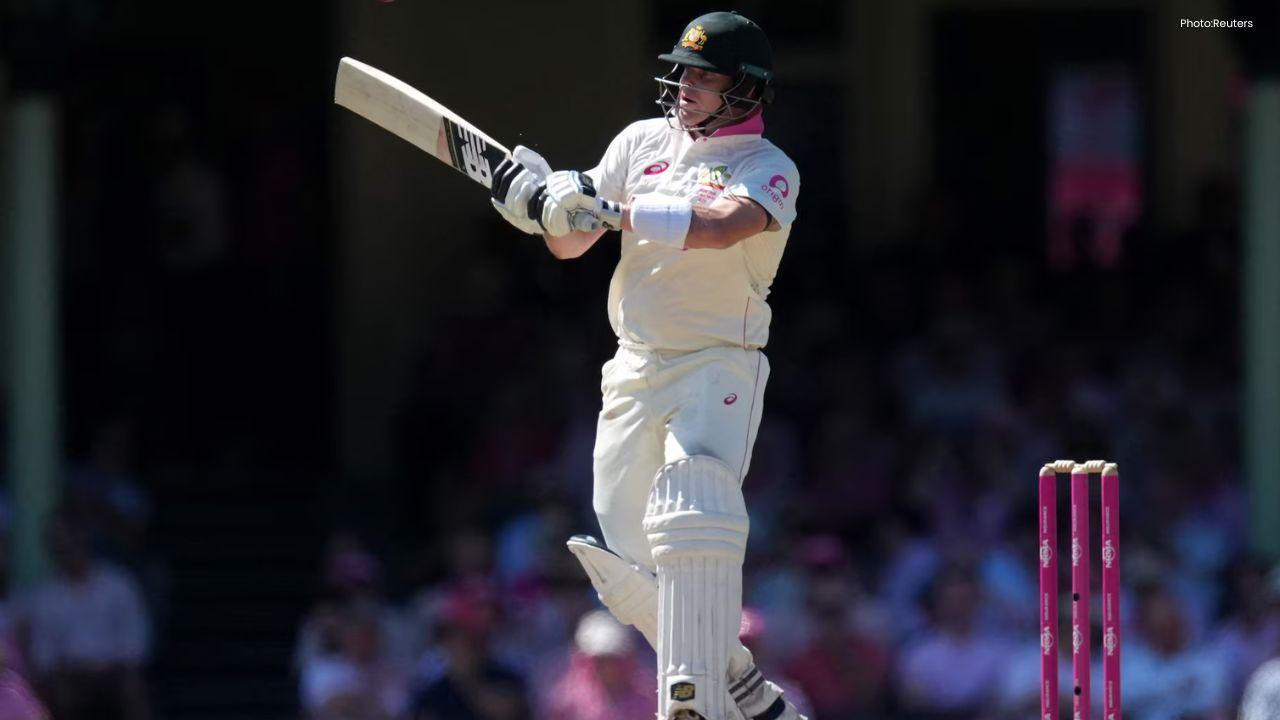
Australia 50/3 After Bangladesh Bowled Out for 64 in Second Test
Australia reached 50/3 after Bangladesh were bowled out for 64 in the second Test, with Mitchell Sta

Jordan Burroughs Returns to Wrestling with 2028 Olympic Dream
Jordan Burroughs returns to wrestling with Real American Freestyle as the Olympic champion eyes a po

Lamborghini Catches Fire on Singapore's ECP, Causing Heavy Traffic
A Lamborghini caught fire on Singapore's ECP, causing heavy traffic and bus delays. No injuries were