
You have not yet added any article to your bookmarks!
Join 10k+ people to get notified about new posts, news and tips.
Do not worry we don't spam!
Post by : Anis Farhan
Architecture is more than just constructing buildings; it is a reflection of human civilization, culture, and ingenuity. Throughout history, structures have symbolized power, faith, and artistic expression while serving practical purposes. From the pyramids of Egypt to modern skyscrapers, architectural marvels illustrate the progress of societies, the evolution of materials, and the creativity of architects who dared to dream.
These structures are not just aesthetically impressive; they have shaped culture, influenced cities, and inspired generations. Studying them offers insight into historical contexts, technological advancements, and human aspirations. Understanding their significance provides a deeper appreciation of how architecture continues to shape the world.
Some of the earliest architectural wonders demonstrate humanity’s ingenuity with limited technology. The Egyptian pyramids, for instance, remain an enduring testament to precision engineering and complex planning. Built over 4,500 years ago, the Great Pyramid of Giza required meticulous alignment with celestial bodies and advanced understanding of materials. Beyond their practical purpose as royal tombs, the pyramids symbolized spiritual beliefs and societal organization.
Similarly, the Parthenon in Athens exemplifies ancient Greek mastery of symmetry, proportion, and aesthetics. Its Doric columns and intricate sculptures not only showcased artistic skill but also reflected the cultural and political ideals of the time. Ancient architectural achievements, from Roman aqueducts to Mayan temples, highlight how early societies used architecture to express identity, power, and innovation.
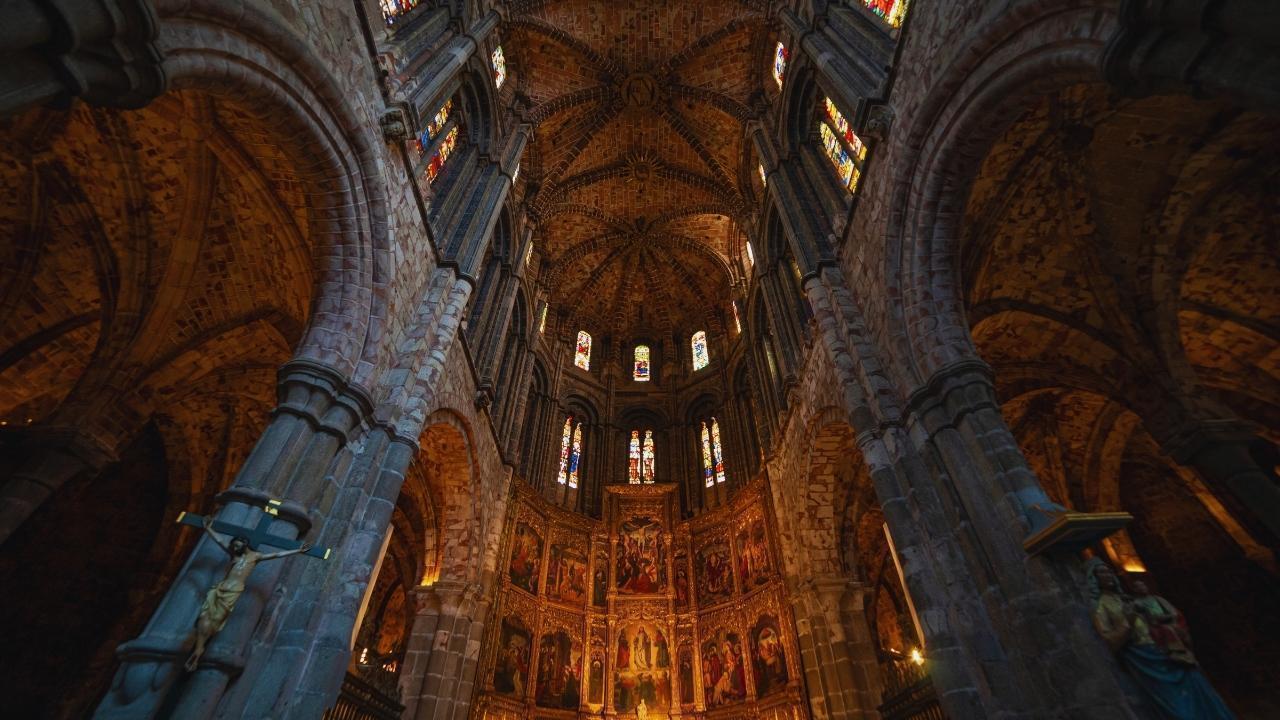
The medieval period introduced structures designed for defense, religious devotion, and civic pride. Castles across Europe, with their stone walls, moats, and battlements, were both functional and symbolic of feudal power. Gothic cathedrals, such as Notre-Dame de Paris, pushed the boundaries of engineering with flying buttresses, ribbed vaults, and towering spires.
These structures were not only architectural feats but also cultural landmarks. They represented the wealth and influence of patrons, served as centers of community life, and inspired awe with their grandeur. The intricate details, stained glass windows, and sculpted facades tell stories of the people, beliefs, and artistry of the medieval era.
The Renaissance marked a revival of classical architecture with an emphasis on symmetry, proportion, and perspective. Structures like St. Peter’s Basilica in Vatican City and the Palazzo Pitti in Florence exemplify the harmonious blend of art, science, and architecture. Architects like Michelangelo and Brunelleschi revolutionized design by incorporating mathematical precision and innovative engineering techniques.
Following the Renaissance, the Baroque period introduced dramatic flair with ornate details, bold curves, and theatrical designs. Architectural masterpieces, such as Versailles in France, demonstrated the power and sophistication of monarchs while pushing the boundaries of decorative artistry. These periods illustrate how architecture evolved to reflect cultural ideals, technological advancements, and artistic innovation.
The 20th and 21st centuries have witnessed the rise of iconic modern structures that define city skylines and push engineering limits. The Eiffel Tower, once criticized, is now a global symbol of Paris and engineering ingenuity. Skyscrapers like the Burj Khalifa demonstrate human ambition and the use of advanced materials, elevating design to unprecedented heights.
Modern architecture is characterized by functionality, minimalism, and innovation. Architects like Frank Lloyd Wright and Zaha Hadid redefined spatial concepts, creating buildings that merge form, function, and environmental consciousness. Today, architectural wonders continue to evolve, incorporating sustainable materials, smart technologies, and designs that inspire communities worldwide.
Architecture shapes more than the skyline; it reflects cultural values, social structures, and collective memory. Structures like the Taj Mahal symbolize love and devotion, while the Great Wall of China represents defense, unity, and national identity. Cities often carry their history in their buildings, with architectural styles narrating the evolution of society, politics, and technology.
Public spaces, monuments, and landmarks foster civic pride and identity. Architecture also impacts human behavior, influencing how people interact, move, and experience spaces. From spiritual fulfillment to societal symbolism, the role of architecture extends far beyond physical construction.
The marvel of architecture lies not only in aesthetics but also in engineering brilliance. Ancient builders used innovative techniques to lift massive stones, create durable foundations, and align structures with celestial bodies. Medieval architects solved challenges of height and weight distribution, enabling the construction of grand cathedrals and bridges.
Modern engineering incorporates materials like steel, reinforced concrete, and glass, allowing taller, more resilient, and environmentally friendly structures. Computer-aided design, seismic engineering, and sustainability considerations are integral to contemporary architectural projects. These innovations illustrate the fusion of creativity, science, and problem-solving in shaping the built environment.
Architectural wonders attract millions of visitors each year, contributing to global tourism and cultural exchange. Landmarks like the Colosseum, Machu Picchu, and Sydney Opera House draw tourists not only for their beauty but also for their historical significance. Tourism centered on architecture educates, inspires, and creates economic opportunities, helping preserve these structures for future generations.
Cities worldwide leverage iconic architecture to enhance identity, brand themselves internationally, and boost local economies. Heritage conservation ensures that historic structures retain their significance, offering insight into the evolution of societies over centuries.
The future of architecture emphasizes sustainability, innovation, and resilience. Green buildings, energy-efficient designs, and adaptive structures aim to reduce environmental impact while improving human well-being. Smart technologies, including responsive lighting, climate control, and automated systems, are reshaping how buildings function and interact with occupants.
Architectural design is increasingly interdisciplinary, combining art, engineering, environmental science, and technology. Future structures will not only impress visually but also address pressing global challenges such as climate change, urban density, and resource scarcity. Architecture continues to be a living testament to human creativity and adaptability.
This article is for informational purposes only and is not intended as professional architectural advice. The opinions and interpretations presented reflect research and general knowledge about historical and contemporary structures.










Michael Bracewell Chooses Casual Contract, Targets BBL Opportunity
Michael Bracewell moves to a casual contract as he eyes a BBL opportunity while remaining available

Tuchel Says Alex Scott Can Challenge Declan Rice for England Midfield Spot
Thomas Tuchel says Alex Scott can challenge Declan Rice for an England midfield place after his impr

Air Quality Turns Unhealthy in Central and Western Singapore Amid Haze
Singapore haze pushes PSI above 100 in central and western areas as smoke from regional hotspots rai

PM Modi Pays Tribute to Mahatma Gandhi, Urges People to Support Khadi
PM Modi pays tribute to Mahatma Gandhi on Gandhi Jayanti and urges citizens to support Khadi and the

Amazon Seeks to Offload $8 Billion in Nvidia Chips to Investors
Amazon plans to move $8 billion in Nvidia chips to investors, using a new financing model to strengt

Samsung Raises Galaxy S26 Prices as Memory Chip Costs Rise
Samsung raises Galaxy S26 prices in South Korea as rising memory chip costs put pressure on smartpho

