You have not yet added any article to your bookmarks!
Join 10k+ people to get notified about new posts, news and tips.
Do not worry we don't spam!
Post by : Saif Rahman
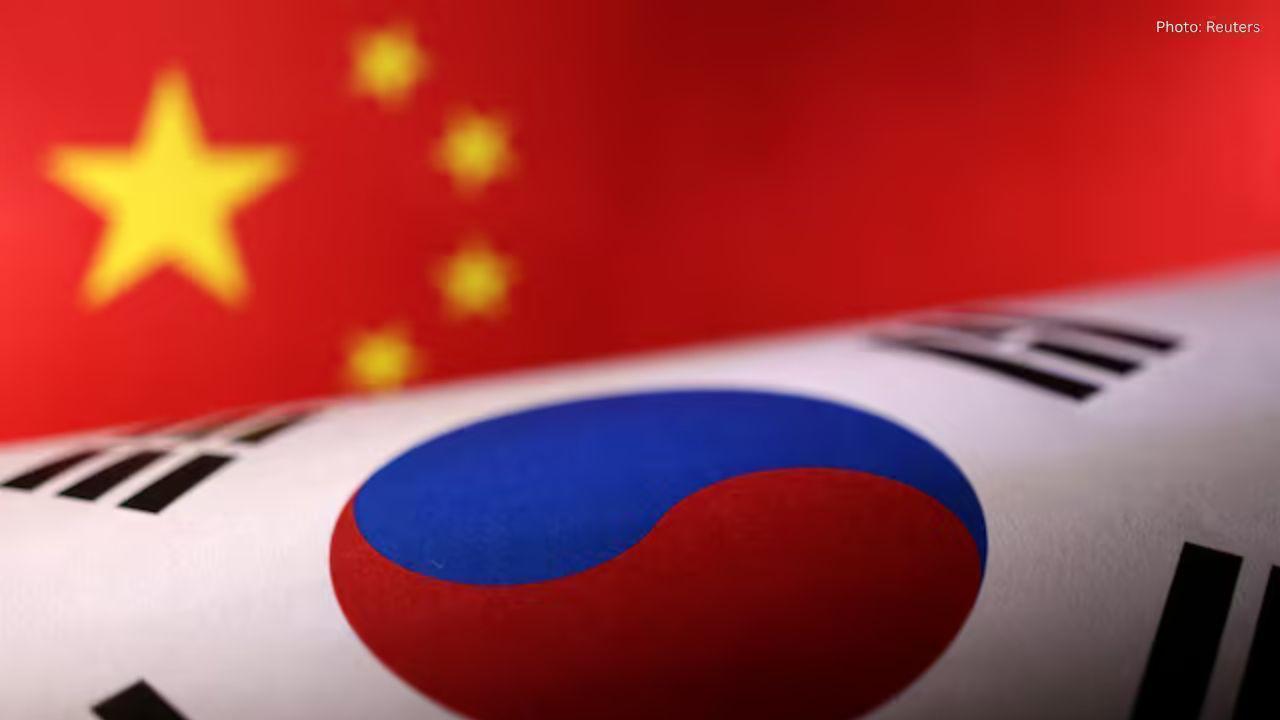
Chinese President Xi Jinping is poised to host South Korean President Lee Jae Myung for a state visit commencing this Sunday. This gathering occurs at a critical juncture in East Asia, characterized by rising discord between China and Japan over Taiwan and intensifying rivalry amid global powers.
This meeting holds significance as it marks the second encounter between Xi and Lee in a mere two months. Such close intervals for high-level discussions are uncommon, indicating China’s robust intent to enhance its relationship with South Korea. Experts suggest that Beijing aims to build political trust and facilitate economic cooperation prior to Lee’s anticipated visit to Japan later this year.
Relations between China and Japan have deteriorated considerably in recent times. Tensions escalated following statements from Japan’s prime minister regarding potential military action should China intervene in Taiwan. In this context, China appears motivated to foster warmer relations with Seoul and emphasize South Korea’s vital role in the region.
Meanwhile, South Korea seeks to navigate a delicate equilibrium, being a staunch ally of the United States while heavily reliant on China for trade. China is South Korea's largest trading partner, whereas the U.S. plays a crucial role in its security strategy. Additionally, the persistent threat from North Korea's nuclear arsenal remains a significant concern.
President Lee’s administration has expressed a desire to “restore” ties with China following a period of strain under the earlier government. Previous relations had cooled as South Korea grew closer to Washington and Tokyo, publicly addressing issues like Taiwan. Lee has adopted a more measured stance, asserting that South Korea does not wish to choose sides in the ongoing disputes between China and Japan.
During the meeting, Xi and Lee are set to explore a variety of topics. These will include trade, tourism, climate collaboration, and regional security. South Korean officials indicated that over ten agreements are on the table, covering areas such as business partnerships and green initiatives. While no joint statement is expected, both parties hope these discussions will initiate a “new chapter” in bilateral relations.
Economic aspects will be emphasized, with South Korea relying on China for nearly half of its essential rare earth minerals, critical for semiconductor production and other high-tech markets. Additionally, China is the primary destination for South Korean chip exports. Both nations have recently committed to ensuring stable supply chains, particularly for vital materials.
Technological collaboration is also on the agenda, with discussions likely to encompass artificial intelligence, advanced manufacturing, and sustainable industries. Chinese technology firms, including Huawei, are looking to broaden their footprint in South Korea, proposing alternatives in sectors such as AI chip development.
Security issues will be challenging to circumvent. China serves as North Korea’s principal ally and economic benefactor, while South Korea is home to approximately 28,500 U.S. troops to counter threats from the North. Lee is anticipated to call on China to assist in reinvigorating dialogue with North Korea, while also assuring Beijing that South Korea’s military initiatives, including future naval endeavors, are solely designed for defense against the North.
As regional rivalries intensify, South Korea finds itself at the nexus of multifaceted political and economic dynamics. Lee’s visit to China illustrates Seoul’s commitment to maintaining stable relations with all major powers while safeguarding its national interests.
The upcoming Xi–Lee meeting is set to capture attention throughout Asia, with potential implications not only for China–South Korea relations but also for the overall power equilibrium in Northeast Asia in the foreseeable future.
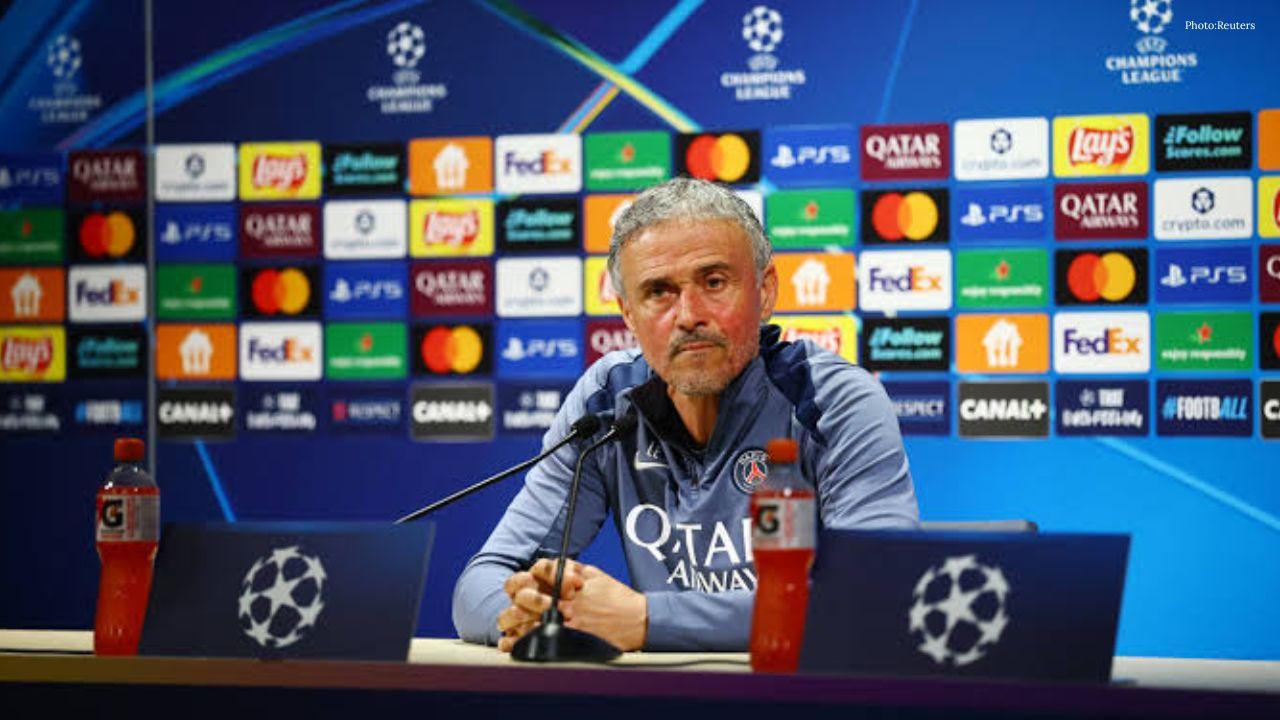




PSG Coach Luis Enrique Urges Players to Step Outside Comfort Zone
PSG coach Luis Enrique says players must leave their comfort zone and keep improving as the club tar

China’s Tiangong Sets New 400m Record at Robot Olympics
China’s Tiangong robot sets a new 400m record at the Robot Olympics, beating a South African robot i

George Russell Wins Dutch GP Sprint, Boosts Mercedes Morale
George Russell wins the Dutch GP Sprint from pole as Mercedes teammate Kimi Antonelli extends his F1

Australia 50/3 After Bangladesh Bowled Out for 64 in Second Test
Australia reached 50/3 after Bangladesh were bowled out for 64 in the second Test, with Mitchell Sta

Jordan Burroughs Returns to Wrestling with 2028 Olympic Dream
Jordan Burroughs returns to wrestling with Real American Freestyle as the Olympic champion eyes a po

Lamborghini Catches Fire on Singapore's ECP, Causing Heavy Traffic
A Lamborghini caught fire on Singapore's ECP, causing heavy traffic and bus delays. No injuries were