You have not yet added any article to your bookmarks!
Join 10k+ people to get notified about new posts, news and tips.
Do not worry we don't spam!
Post by : Laxmi Verma
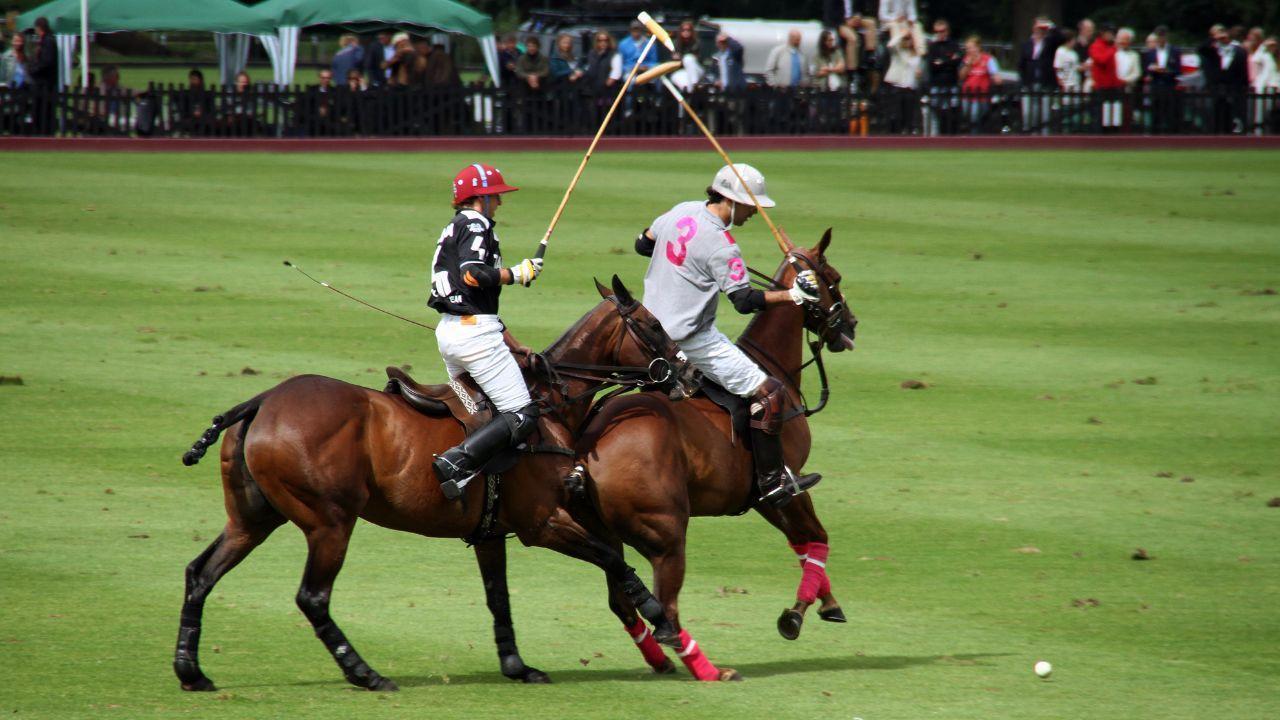
Polo is often described as “the sport of kings”—and not without reason. From ancient battlefields to manicured grass fields in global capitals, polo has evolved into a symbol of prestige, sophistication, and exclusivity. But in a world where modern sports dominate headlines and fanbases, why polo remains one of the world’s most elite sports is a question worth exploring.
This centuries-old game continues to thrive in elite circles due to its historical roots, financial demands, athletic complexity, and lifestyle appeal. Let’s dive into the unique elements that have preserved polo’s reputation as one of the most distinguished sports in the world.
The legacy of polo can be traced back over 2,000 years to ancient Persia, where it began as a training game for cavalry units. It was later adopted by royalty across Asia and the Middle East, eventually spreading to India, and then to the British elite during colonial rule.
This royal association didn’t fade with time—it evolved. Today, polo still draws support and participation from royals, aristocrats, and global business leaders. Prince William and Prince Harry have both competed in charity polo matches, helping to maintain the sport’s regal reputation.
It’s this connection to nobility and heritage that anchors the answer to why polo remains one of the world’s most elite sports.
Polo isn’t just about riding horses and swinging mallets—it’s a full-fledged commitment that demands serious investment.
Here’s why:
All of this makes polo one of the most expensive sports to participate in. The financial barrier ensures that it remains limited to a select few—another core reason why polo remains one of the world’s most elite sports.
Unlike many other sports, polo is deeply embedded in an elite lifestyle. Polo events are as much about fashion and networking as they are about the competition.
Events like the Veuve Clicquot Polo Classic in the U.S. or the Queen’s Cup in the UK are attended by celebrities, designers, business moguls, and high-society influencers. These occasions are marked by champagne, designer outfits, exclusive VIP lounges, and an atmosphere of refined luxury.
Polo is more than a sport—it's a cultural and social statement. This luxurious, jet-set appeal reinforces why polo remains one of the world’s most elite sports, even in the age of digital entertainment.
Though often overshadowed by its glamorous image, polo is one of the most physically demanding and dangerous sports in the world.
Each match involves:
Players must not only control their horse but also think tactically, anticipate plays, and remain agile—all while managing close contact with four other horses and riders. Injuries are common, and the level of athleticism required is often underestimated.
This high level of skill and danger adds credibility to the sport and contributes to why polo remains one of the world’s most elite sports—it's not just about wealth; it's about mastery.
In polo, horses (called "ponies," despite their full size) aren’t just equipment—they’re teammates.
The relationship between horse and rider is fundamental to success. Top players spend years building rapport with their ponies, training them to turn quickly, respond to subtle signals, and remain composed under pressure.
Because of this deep bond, breeding and training polo ponies is a global industry in itself, particularly in countries like Argentina and the U.S., further elevating the sport’s exclusivity.
The unique reliance on animals, combined with the rider’s skills, sets polo apart and reinforces why polo remains one of the world’s most elite sports.
Despite its ancient roots, polo continues to evolve with the times. Today, it's being played in more than 80 countries, including growing scenes in places like Dubai, Thailand, and China.
Modern polo clubs are also investing in youth programs and women’s tournaments, slowly opening the gates to a more diverse audience—though the elite essence still holds strong.
As technology and media begin to spotlight polo more regularly, its combination of tradition, athleticism, and elegance makes it highly appealing to luxury brands and affluent millennials.
The information provided in this article is for general informational purposes only. While every effort has been made to ensure the accuracy of the content, polo rules, traditions, and costs may vary by country, region, or club. Readers are encouraged to consult local polo clubs or professionals for up-to-date and personalized guidance. The author and publisher are not responsible for any losses, injuries, or changes in circumstances resulting from the use of this information.









Lamborghini Catches Fire on Singapore's ECP, Causing Heavy Traffic
A Lamborghini caught fire on Singapore's ECP, causing heavy traffic and bus delays. No injuries were

Bangkok Airport Duty-Free Area Flooded by Pipe Burst
A burst water pipe flooded the duty-free shopping area at Bangkok's Suvarnabhumi Airport on July 16,

Nine Monks Killed in Thailand Pickup Truck Tragedy
An 11-year-old boy driving a pickup truck crashed into monks during a pilgrimage in northeastern Tha

Anwar Congratulates Xi on CPC's 105th Anniversary
Malaysia reaffirms strong ties with China as PM Anwar Ibrahim sends a congratulatory letter to Presi

Thai Agriculture Team Reviews 2026 Farm Development Plans
Agriculture Ministry officials inspected livestock and organic rice projects in Nakhon Sawan to moni

Thailand, Canada Boost Ties in PM-Level Phone Talks
Thailand and Canada agreed to strengthen trade, security, OECD cooperation and ASEAN-Canada FTA talk