
You have not yet added any article to your bookmarks!
Join 10k+ people to get notified about new posts, news and tips.
Do not worry we don't spam!
Post by : Anis Farhan
Photo: Pixabay
Until a few years ago, electric vehicles (EVs) were mostly seen in high-income cities. But in 2025, this is no longer the case. More people in growing urban and semi-urban areas are now choosing electric vehicles over petrol or diesel.
This sudden shift is not just a trend—it’s a sign of change in how the world thinks about travel, money, and health.
There are a few key reasons why people are going electric:
Fuel is too expensive. Traditional fuels like petrol and diesel have become costly for daily use.
Air pollution is getting worse. Many cities are facing health problems due to traffic smoke and emissions.
Governments are stepping in. Subsidies, tax cuts, and low-interest loans are making EVs more affordable.
EVs are now cheaper to buy and maintain. New models offer better mileage, and repairs cost less than fuel engines.
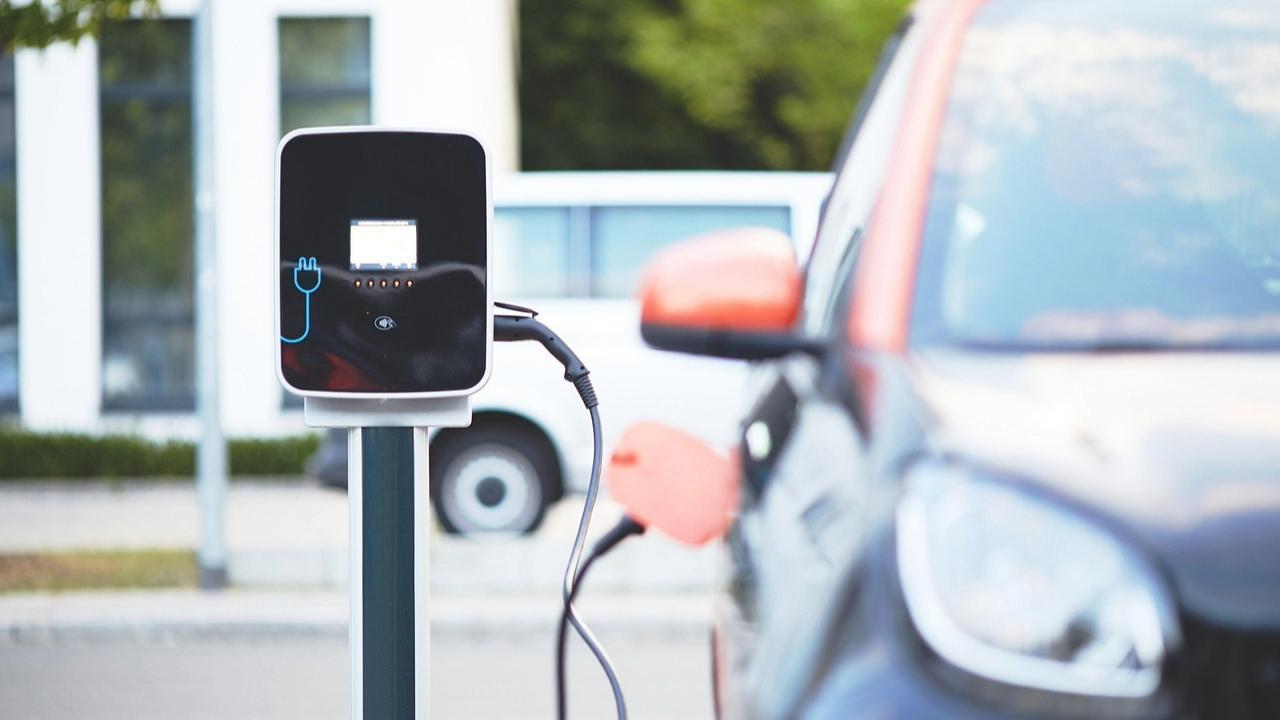
Charging points are increasing. Public and private setups are making it easier to charge EVs at home or on the go.
People are starting to realize that switching to electric is not just better for the environment—it also makes financial sense in the long run.
It’s not just cars. The EV wave includes:
Electric scooters and bikes, which are cheaper and perfect for short distances.
Electric buses, helping reduce pollution in crowded city roads.
Small delivery EVs, which are helping local businesses save on fuel and stay eco-friendly.
Whether it’s daily commuting or running a business, electric options are proving more reliable and cost-effective.
While the growth is fast, a few challenges remain:
Limited charging infrastructure in smaller towns or rural areas
Lack of awareness about EV benefits and safety
High upfront cost for some models, despite long-term savings
Battery disposal and recycling still needs better systems
However, with time, awareness programs, and better technology, these barriers are slowly being addressed.
Electric vehicles are not just a “modern” option anymore. They are becoming a practical, smart choice for people from all walks of life. As more cities improve infrastructure and manufacturers offer budget-friendly options, EVs could soon replace petrol vehicles as the new normal.
Switching to electric doesn’t just reduce pollution—it improves public health, saves money, and supports cleaner futures for the next generation.
This article is based on publicly available trends and market reports. Readers are advised to check local sources and product details before making purchase or investment decisions. NewsibleAsia does not endorse any particular brand or model.










PM Modi Pays Tribute to Mahatma Gandhi, Urges People to Support Khadi
PM Modi pays tribute to Mahatma Gandhi on Gandhi Jayanti and urges citizens to support Khadi and the

Amazon Seeks to Offload $8 Billion in Nvidia Chips to Investors
Amazon plans to move $8 billion in Nvidia chips to investors, using a new financing model to strengt

Samsung Raises Galaxy S26 Prices as Memory Chip Costs Rise
Samsung raises Galaxy S26 prices in South Korea as rising memory chip costs put pressure on smartpho

Lewis Hamilton Calls Singapore Grand Prix One of F1's Toughest Races
Lewis Hamilton discusses the demanding Singapore Grand Prix and brings Plus44 and Almave to Singapor

Denmark's Pandora Opens World's Largest Jewellery Factory in Vietnam
Pandora opens its largest jewellery factory in Vietnam, expanding global production, strengthening s

Gautam Gambhir Questions Batting-Friendly Pitches After India's Record ODI Chase
Gautam Gambhir questions batting-friendly ODI pitches after India’s record chase, calling for a bett

