
You have not yet added any article to your bookmarks!
Join 10k+ people to get notified about new posts, news and tips.
Do not worry we don't spam!
Post by : Shweta
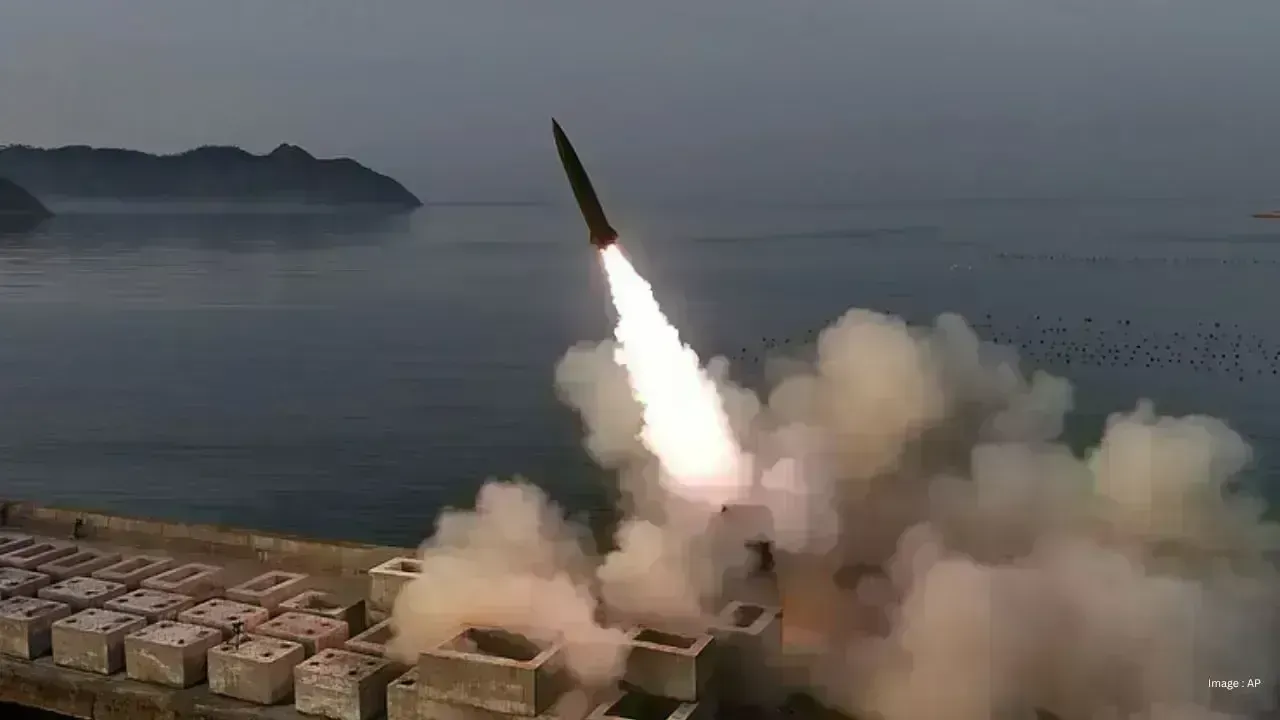
In a notable shift, the United States has commenced limiting its intelligence sharing with South Korea after a senior minister's public comments on a suspected North Korean nuclear site stirred controversy. This development has heightened tensions between the allies and raised questions regarding regional security collaboration.
Reports from Yonhap News Agency reveal that these restrictions were imposed earlier this month following remarks made by South Korea’s Unification Minister, Chung Dong-young, about a potential third nuclear site in North Korea’s Kusong area. US officials reportedly expressed concern that such comments may have inadvertently compromised sensitive intelligence.
The US and South Korea have upheld a strong military and intelligence alliance for decades, with approximately 28,500 US troops stationed in South Korea. This recent move is seen as a rare deviation from their robust partnership, and while the US has not officially validated the limitations, reports indicate that satellite intelligence related to North Korea has indeed been curtailed.
Minister Chung defended himself, claiming that his statements were based on publicly accessible information, not classified documents. He noted that similar details had been previously discussed in academic circles and media reports, asserting that he had raised the same points during his confirmation hearing without objection.
South Korean President Lee Jae Myung has backed Chung, dismissing the allegations of an intelligence leak as “incorrect” and “unreasonable.” He emphasized that such information has been available to the public for years and is not classified.
Nevertheless, this issue has ignited considerable political backlash within South Korea. Opposition factions, particularly the People Power Party, have accused Chung of a serious security lapse and are calling for his resignation, viewing the incident as a threat to the US-South Korea relationship.
According to reports from The Hankyoreh, the US's decision may also reflect broader frustrations over policy disagreements related to the Demilitarized Zone (DMZ). Some officials suspect that the intelligence limitations stem from increasing irritation in Washington regarding recent changes to Seoul’s defense strategies.
As concerns over North Korea’s nuclear ambitions rise, Rafael Grossi, the head of the International Atomic Energy Agency, has recently warned that North Korea is ramping up its nuclear arsenal and may already have several dozen warheads. Existing nuclear sites, like those in Yongbyon and Kangson, further underscore the gravity of the situation.
Despite these tensions, Minister Chung remains hopeful for a resolution through dialogue. He pointed out that previous temporary pauses in intelligence sharing had occurred and reiterated the crucial need for cooperation between the two nations to ensure regional stability.










PM Modi Pays Tribute to Mahatma Gandhi, Urges People to Support Khadi
PM Modi pays tribute to Mahatma Gandhi on Gandhi Jayanti and urges citizens to support Khadi and the

Amazon Seeks to Offload $8 Billion in Nvidia Chips to Investors
Amazon plans to move $8 billion in Nvidia chips to investors, using a new financing model to strengt

Samsung Raises Galaxy S26 Prices as Memory Chip Costs Rise
Samsung raises Galaxy S26 prices in South Korea as rising memory chip costs put pressure on smartpho

Lewis Hamilton Calls Singapore Grand Prix One of F1's Toughest Races
Lewis Hamilton discusses the demanding Singapore Grand Prix and brings Plus44 and Almave to Singapor

Denmark's Pandora Opens World's Largest Jewellery Factory in Vietnam
Pandora opens its largest jewellery factory in Vietnam, expanding global production, strengthening s

Gautam Gambhir Questions Batting-Friendly Pitches After India's Record ODI Chase
Gautam Gambhir questions batting-friendly ODI pitches after India’s record chase, calling for a bett

