You have not yet added any article to your bookmarks!
Join 10k+ people to get notified about new posts, news and tips.
Do not worry we don't spam!
Post by : Anis Farhan
Hydration has become one of the most casually tossed-around health tips in recent years. “Drink more water” is the mantra on everyone’s lips—from fitness influencers to doctors, from wellness bloggers to your gym buddy. But while the importance of hydration is undeniable, the truth about staying hydrated is far more nuanced than simply chugging a few glasses of H2O. The human body’s hydration needs go well beyond water intake, and failing to understand this can lead to fatigue, cramps, and even chronic health issues. It’s time to debunk the myths and get real about what true hydration means.
For years, the idea of drinking "eight glasses a day" has been passed around like gospel. But science tells us that hydration isn’t a one-size-fits-all rule. Your hydration needs depend on factors like age, gender, weight, activity level, climate, and even diet. For instance, someone who exercises daily in a humid region needs significantly more fluids than a sedentary person in a cooler climate. The body gets water not only from direct fluid intake but also from foods and metabolic processes. Vegetables, fruits, soups, and even cooked grains contain water that contributes to daily hydration.
Relying on thirst as a sole indicator of hydration can be misleading. By the time you feel thirsty, your body is already experiencing a mild level of dehydration. This is especially true for older adults, where the sensation of thirst tends to diminish with age. Moreover, high-performance athletes or individuals in hot climates may lose fluids faster than their bodies can trigger thirst signals. Listening to your body is important, but thirst alone isn’t the full picture.
Here's where things get a little tricky. While all fluids contribute to hydration, not all of them are created equal. Sugary sodas, alcohol, and caffeinated beverages may seem hydrating but often act as diuretics—meaning they increase urine production and can lead to a net loss of fluids. On the other hand, drinks like coconut water, herbal teas, and oral rehydration solutions offer a balance of water, electrolytes, and nutrients that help retain hydration more effectively. The key is to balance fluid intake with quality, not just quantity.
One of the most overlooked aspects of staying hydrated is electrolyte balance. Electrolytes such as sodium, potassium, calcium, and magnesium are essential for maintaining fluid balance in and out of cells. When we sweat, urinate, or even breathe heavily, we lose not just water but electrolytes. Replacing only water without replenishing electrolytes can dilute these minerals in the body, leading to imbalances that cause symptoms like headaches, muscle cramps, dizziness, or fatigue.
Sports drinks, while sometimes useful, often contain excess sugar and artificial additives. Instead, natural sources like bananas (for potassium), leafy greens (for magnesium), and a pinch of salt in your water can do wonders. For people in hot climates like the UAE or those involved in intense physical activity, including electrolyte-rich fluids regularly is non-negotiable.
Hydration isn't just about what you drink—what you eat also plays a pivotal role. Foods with high water content such as cucumbers, watermelon, oranges, strawberries, and spinach can contribute significantly to your hydration levels. In fact, up to 20-30% of your fluid intake can come from solid food. That’s why eating a balanced, whole-food diet complements fluid intake perfectly. Relying only on water and ignoring nutrition is like fixing one wheel on a bicycle and expecting it to ride smoothly.
Surprisingly, drinking too much water can also be harmful. Known as water intoxication or hyponatremia, this condition results from an imbalance in sodium levels due to excessive water intake. It’s rare but can be life-threatening, particularly among endurance athletes or individuals who consume large amounts of water without electrolyte replacement. Symptoms include confusion, nausea, vomiting, and in severe cases, seizures. The solution isn’t to stop drinking water but to drink smart—balancing water with electrolyte intake based on activity level.
In many cultures, hydration is intrinsically tied to tradition. In India, for instance, drinking warm water is a common morning ritual, believed to aid digestion and cleanse the body. In Japan, it's typical to drink water first thing in the morning and avoid cold water with meals. In the Middle East, tea plays a crucial role in hydration during long fasting hours, especially in Ramadan. While scientific evidence on some of these traditions varies, they highlight an important point—hydration is as much about routine and awareness as it is about fluid volume.
Living in arid or hot regions, such as the UAE, amplifies the need for smart hydration. The intense heat accelerates perspiration, which leads to more rapid fluid and electrolyte loss. Even indoor environments with air conditioning can subtly dehydrate the skin and respiratory system. People often underestimate the effect of dry heat on hydration levels, thinking that sitting indoors means they don’t need as much fluid. On the contrary, being proactive about hydration in dry climates is critical.
Children and elderly individuals are more vulnerable to dehydration. Kids are active and may forget to drink water, while their smaller bodies lose fluid faster. Seniors often have reduced thirst sensation, impaired kidney function, and take medications that can affect hydration. Ensuring these groups get enough fluids—and in the right form—is essential. Introducing more soups, smoothies, fruits, and low-sugar juices can help make hydration more effective and palatable.
With the rise of wearable health tech, hydration has gone digital. Smart water bottles now track your intake and remind you to drink. Apps calculate personalized hydration needs based on data like your weight, temperature, and exercise routine. While these tools are helpful for busy people, they are not foolproof. Real hydration still depends on listening to your body and maintaining a diet rich in fluids and electrolytes. Use the tech as an assistant, not a replacement for awareness.
One of the lesser-discussed effects of dehydration is cognitive decline. Even mild dehydration—just 1-2% of body weight—can reduce concentration, alertness, and short-term memory. Studies show that students and professionals who stay hydrated perform better on mental tasks and experience less brain fog. Dehydration can also affect mood, increasing feelings of anxiety or irritability. So the next time you’re feeling off at work or school, check if you’ve had enough fluids before reaching for coffee or energy drinks.
If you're drinking what seems like enough water but still feel tired or dizzy, it's a red flag. Dark-colored urine, dry lips, dry skin, frequent headaches, and reduced physical performance are all signs of poor hydration. These symptoms usually indicate a lack of electrolytes, not just water. In such cases, a rehydration solution or a balanced diet rich in water-dense foods and natural salts can provide a quicker fix than water alone.
Proper hydration is a multi-layered process that involves more than just downing glass after glass of water. It’s about timing, electrolyte balance, climate, food choices, and lifestyle habits. Misunderstanding how hydration works can lead to fatigue, muscle problems, or even serious health conditions over time. As with most aspects of health, the key lies in awareness and balance. So yes, drink your water—but make sure you’re truly hydrating in every sense of the word.
The information provided in this article is intended for general knowledge purposes only and does not constitute medical advice. Always consult with a qualified healthcare provider for personalized guidance regarding hydration or health-related concerns.







Lamborghini Catches Fire on Singapore's ECP, Causing Heavy Traffic
A Lamborghini caught fire on Singapore's ECP, causing heavy traffic and bus delays. No injuries were

Bangkok Airport Duty-Free Area Flooded by Pipe Burst
A burst water pipe flooded the duty-free shopping area at Bangkok's Suvarnabhumi Airport on July 16,
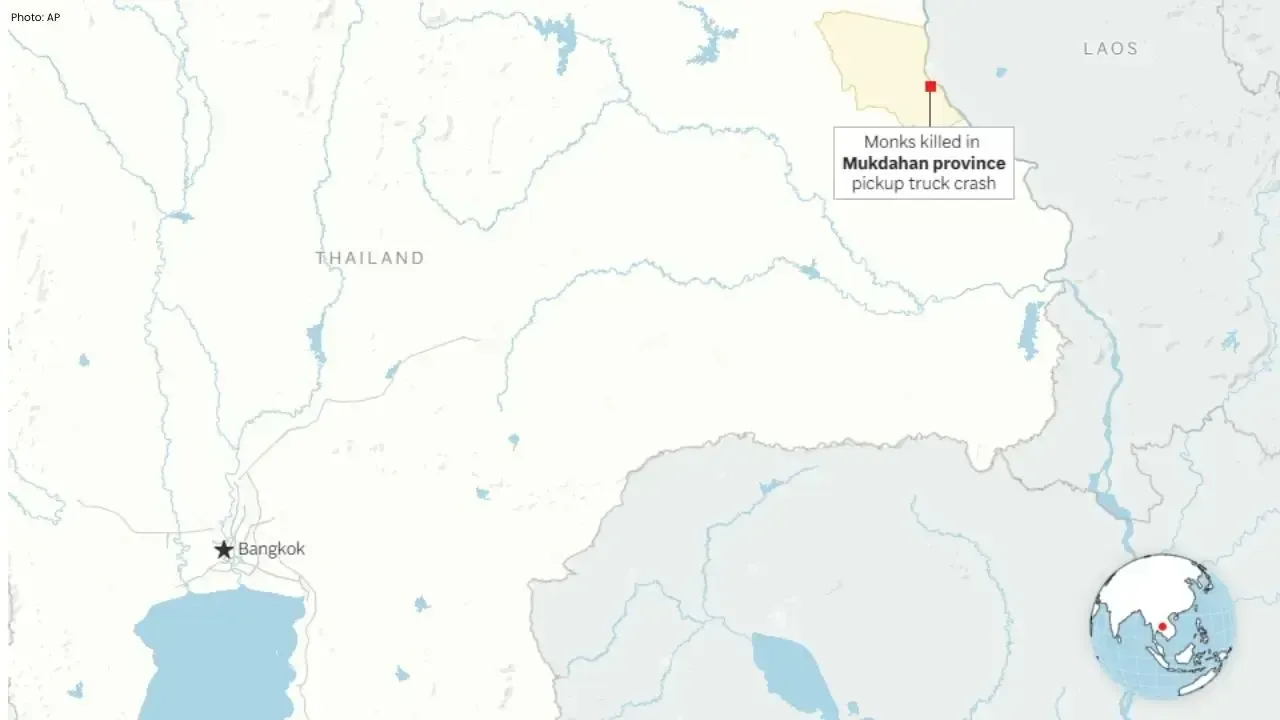
Nine Monks Killed in Thailand Pickup Truck Tragedy
An 11-year-old boy driving a pickup truck crashed into monks during a pilgrimage in northeastern Tha

Anwar Congratulates Xi on CPC's 105th Anniversary
Malaysia reaffirms strong ties with China as PM Anwar Ibrahim sends a congratulatory letter to Presi

Thai Agriculture Team Reviews 2026 Farm Development Plans
Agriculture Ministry officials inspected livestock and organic rice projects in Nakhon Sawan to moni

Thailand, Canada Boost Ties in PM-Level Phone Talks
Thailand and Canada agreed to strengthen trade, security, OECD cooperation and ASEAN-Canada FTA talk