You have not yet added any article to your bookmarks!
Join 10k+ people to get notified about new posts, news and tips.
Do not worry we don't spam!
Post by : Anis Farhan
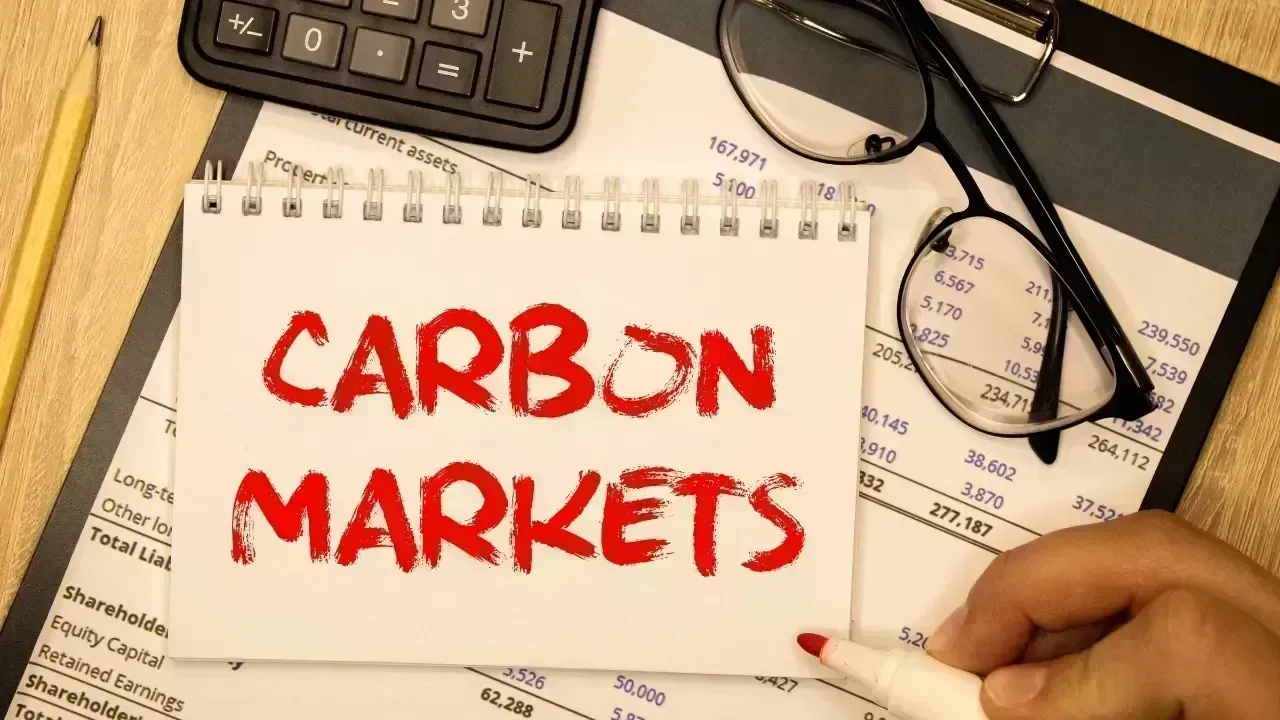
Carbon markets are systems that allow the buying and selling of carbon emission allowances or credits. The basic idea is straightforward: emissions are assigned a cost. Entities that reduce emissions below a set limit can sell excess allowances, while those exceeding limits must buy credits or face penalties.
At a time when climate commitments are tightening worldwide, this market-based approach is increasingly viewed as a practical bridge between environmental responsibility and economic reality.
What has changed in recent years is not the concept itself, but the seriousness with which policymakers now approach it.
When carbon trading was first introduced, it was often criticised as theoretical, difficult to enforce, or easy to manipulate. Many governments viewed it as an experimental policy rather than a core climate solution.
Low carbon prices, limited participation, and weak enforcement reduced its impact in early implementations. As a result, carbon markets struggled to gain credibility outside policy think tanks and environmental forums.
Today, climate change is no longer seen only as an environmental issue. It is recognised as an economic, financial, and national security challenge. This shift has transformed how carbon markets are perceived.
Policymakers now see carbon pricing as a way to:
Influence corporate behaviour without micromanagement
Encourage innovation instead of imposing blanket bans
Mobilise private capital toward climate goals
This evolution has pushed carbon markets into mainstream policy design.
Dozens of countries have announced net-zero emission targets for the coming decades. While these commitments signal intent, achieving them requires measurable, scalable, and enforceable mechanisms.
Carbon markets offer exactly that. They convert emissions into quantifiable units, making climate targets trackable and economically actionable.
Without such tools, net-zero goals risk remaining aspirational rather than operational.
Industries often resist rigid regulations that threaten competitiveness. Carbon markets provide flexibility by allowing companies to choose how they reduce emissions—through technology upgrades, efficiency improvements, or purchasing credits.
This flexibility has made carbon trading politically attractive, especially in economies where industrial growth remains a priority.
Extreme weather events, rising insurance losses, and disrupted supply chains have made climate risks financially tangible. Governments are increasingly aware that delaying climate action has real economic consequences.
Carbon markets offer a way to internalise these costs before they escalate further, shifting the burden gradually rather than through sudden, disruptive regulation.
The scale of investment needed for climate transition far exceeds public budgets. Governments cannot fund decarbonisation alone.
Carbon markets help attract private capital by creating financial incentives for emission reductions. This reduces reliance on taxpayer-funded subsidies and spreads responsibility across the economy.
One major concern for policymakers is carbon leakage—when companies relocate operations to countries with weaker climate rules. Carbon markets, when aligned across regions, help reduce this risk.
By pricing emissions consistently, they level the playing field and discourage regulatory arbitrage.
As countries introduce carbon pricing, trade policies are beginning to reflect carbon intensity. Imports from high-emission regions face increasing scrutiny.
Carbon markets prepare domestic industries for this reality by embedding emission costs into business decisions early, reducing future trade friction.
Carbon credits are no longer viewed only as compliance tools. They are increasingly treated as financial instruments, attracting interest from investors, banks, and asset managers.
This financialisation has expanded market liquidity and visibility, drawing the attention of policymakers who recognise the importance of regulatory oversight.
Governments want climate goals to be reflected in financial decision-making. Carbon markets connect environmental outcomes with market behaviour, influencing investment flows at scale.
This alignment strengthens policy effectiveness without requiring constant intervention.
Voluntary carbon markets have played an important role, but they suffer from credibility concerns, inconsistent standards, and verification challenges.
Governments are now focusing on regulated or semi-regulated frameworks to improve transparency, integrity, and trust.
Stronger regulation is seen not as a constraint, but as a way to make carbon markets more reliable and effective.
Reliable carbon markets depend on accurate measurement, reporting, and verification. Policymakers are investing in data systems, monitoring tools, and enforcement mechanisms to ensure credibility.
This institutional strengthening explains why carbon markets are now embedded in broader climate governance strategies.
For developing economies, carbon markets offer a pathway to balance economic growth with climate responsibility. Instead of imposing absolute limits, they allow gradual transitions supported by incentives.
This flexibility is particularly important where energy demand is still rising.
Well-designed carbon markets can create new revenue sources through credit exports and attract international investment into clean technologies.
This dual benefit—environmental progress and economic opportunity—has increased policy interest across emerging markets.
Unlike taxes or bans, carbon markets operate largely behind the scenes. Costs are embedded in market transactions rather than direct levies, making them politically easier to implement.
This subtlety has helped carbon pricing gain traction even in politically sensitive environments.
Carbon markets distribute responsibility across businesses, consumers, and investors. This shared approach reduces backlash compared to policies that target specific groups.
For policymakers, this makes carbon trading a pragmatic compromise.
Carbon prices can be volatile, creating uncertainty for businesses. Policymakers are increasingly focused on designing stabilisation mechanisms to prevent extreme fluctuations.
This balancing act between market freedom and regulatory control is central to current policy debates.
There are concerns that carbon pricing could disproportionately affect lower-income households if costs are passed on. Policymakers are exploring ways to recycle revenues into social support and climate adaptation.
Addressing equity is essential for long-term public acceptance.
Most policymakers acknowledge that carbon markets alone cannot solve climate change. However, they are increasingly seen as a foundational pillar that complements regulations, innovation, and behavioural change.
Their strength lies in scalability and adaptability.
As climate targets tighten, carbon markets can be adjusted—caps lowered, standards raised, and coverage expanded. This flexibility makes them suitable for long-term policy frameworks.
Carbon markets are gaining policy attention because they sit at the intersection of climate ambition, economic realism, and political feasibility. In a world facing accelerating climate risks and limited public resources, governments are turning to market-based tools that can deliver results at scale.
By translating emissions into economic signals, carbon markets reshape behaviour without stalling growth. That is why they are no longer seen as experimental instruments, but as essential components of modern climate policy.
As climate pressure intensifies, carbon markets are set to move from the margins of policy to its core.
Disclaimer:
This article is intended for informational and analytical purposes only. It does not constitute policy advice, financial guidance, or investment recommendations.







Jordan Burroughs Returns to Wrestling with 2028 Olympic Dream
Jordan Burroughs returns to wrestling with Real American Freestyle as the Olympic champion eyes a po

Lamborghini Catches Fire on Singapore's ECP, Causing Heavy Traffic
A Lamborghini caught fire on Singapore's ECP, causing heavy traffic and bus delays. No injuries were

Bangkok Airport Duty-Free Area Flooded by Pipe Burst
A burst water pipe flooded the duty-free shopping area at Bangkok's Suvarnabhumi Airport on July 16,
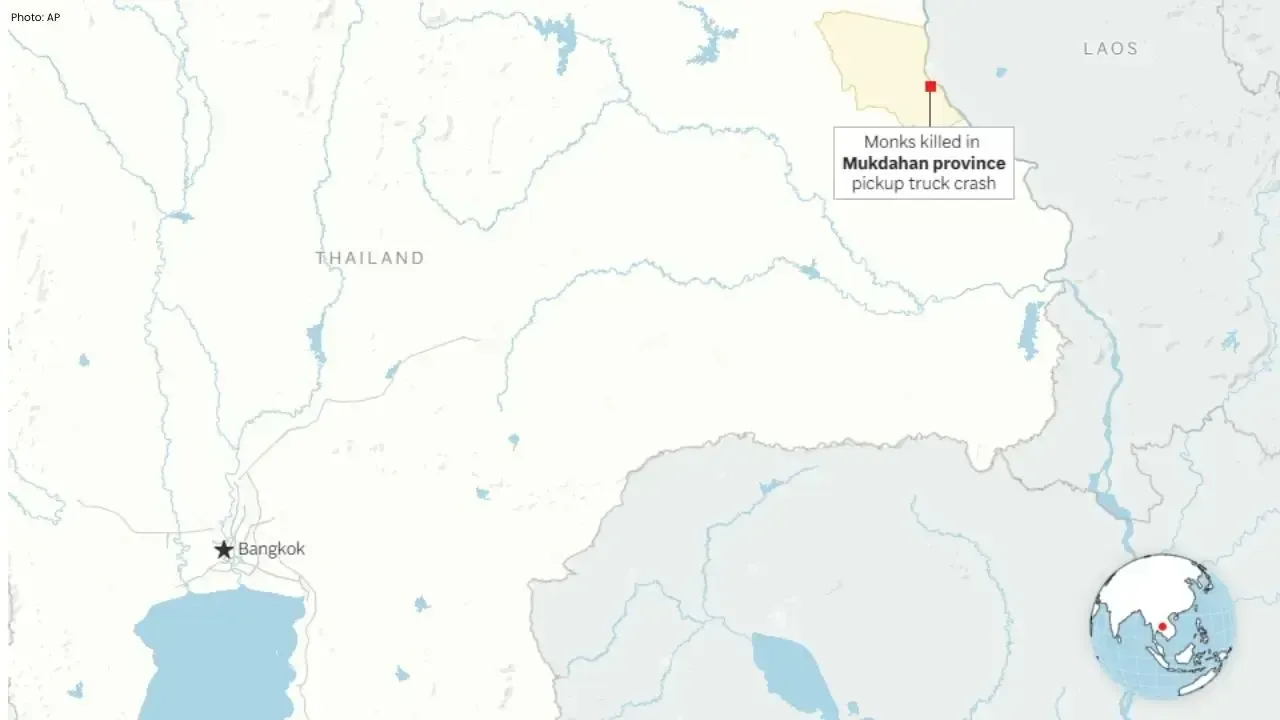
Nine Monks Killed in Thailand Pickup Truck Tragedy
An 11-year-old boy driving a pickup truck crashed into monks during a pilgrimage in northeastern Tha
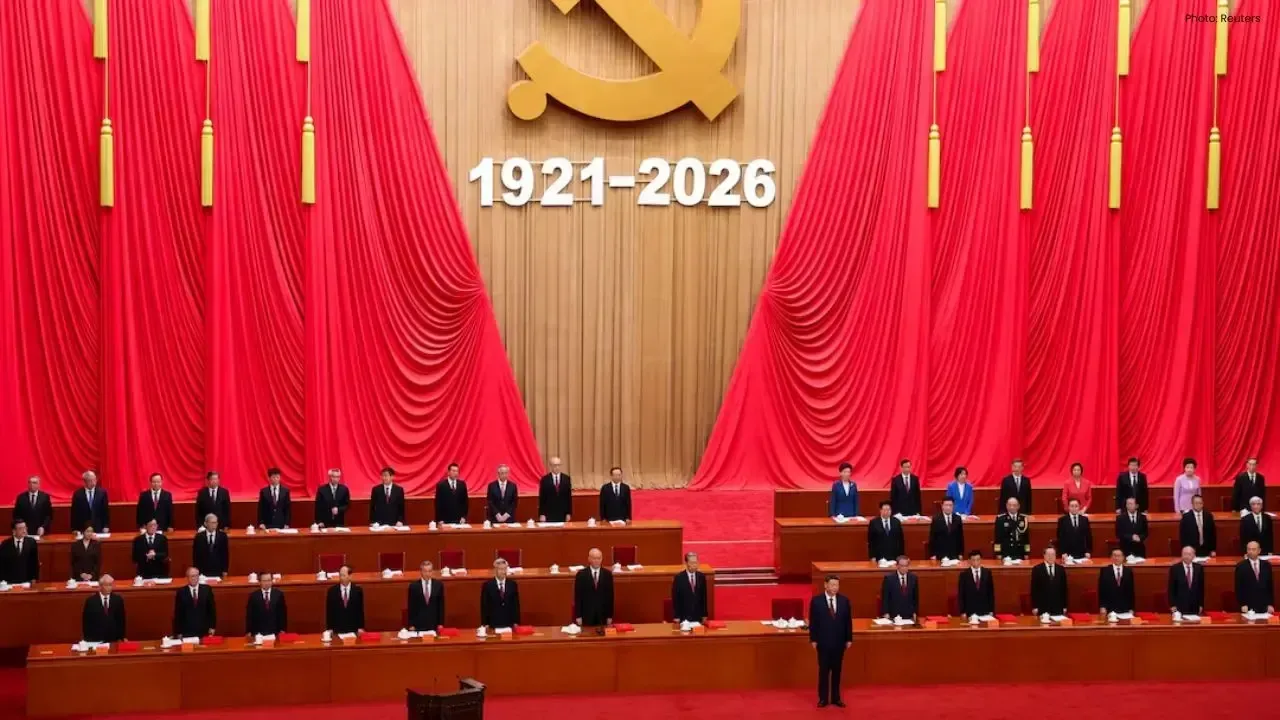
Anwar Congratulates Xi on CPC's 105th Anniversary
Malaysia reaffirms strong ties with China as PM Anwar Ibrahim sends a congratulatory letter to Presi

Thai Agriculture Team Reviews 2026 Farm Development Plans
Agriculture Ministry officials inspected livestock and organic rice projects in Nakhon Sawan to moni