You have not yet added any article to your bookmarks!
Join 10k+ people to get notified about new posts, news and tips.
Do not worry we don't spam!
Post by : Anis Farhan
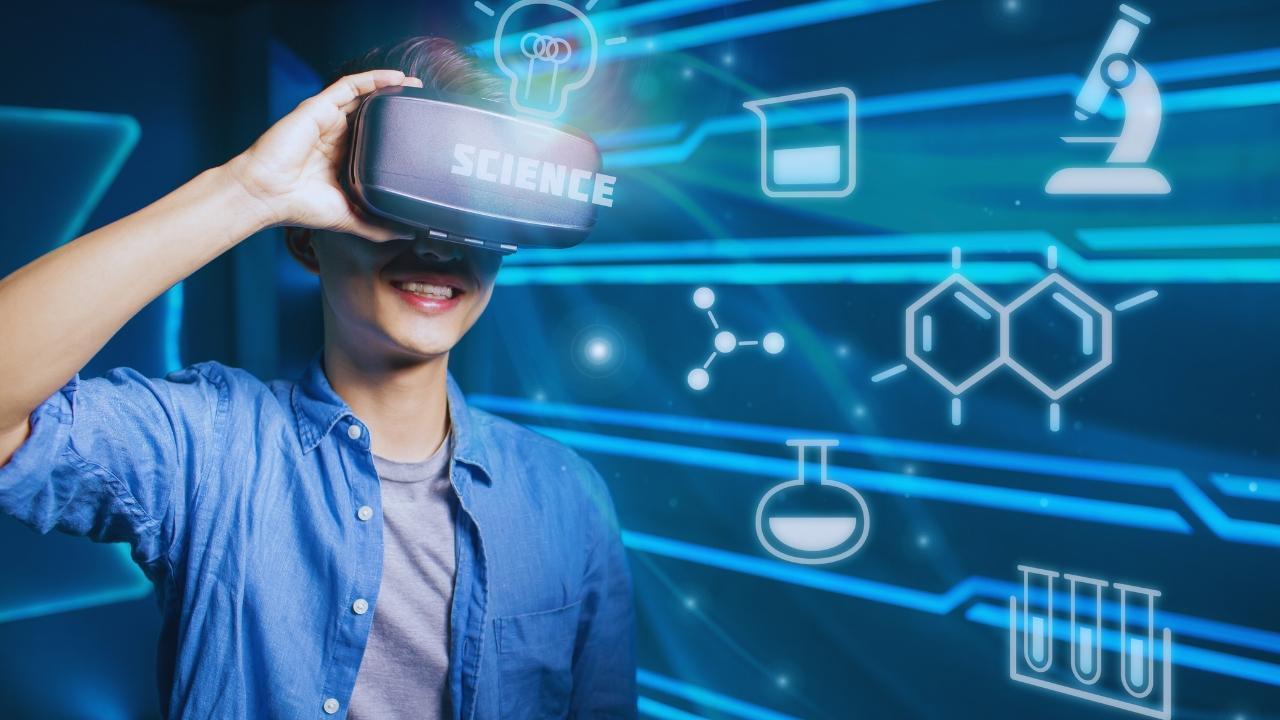
Over the last few years, travel has undergone a remarkable transformation. Once considered an experience that required physical movement, long flights, and hefty expenses, tourism is now embracing the digital era through virtual reality (VR). What was once a novelty has become a significant innovation—VR tourism allows individuals to explore destinations around the world without leaving their homes. This shift is not only convenient but also inclusive, offering opportunities for those who may not be able to travel due to financial, health, or logistical constraints.
At its core, VR tourism relies on immersive technology that combines high-definition visuals, 3D modeling, and interactive features. Using a VR headset or even a compatible smartphone with VR apps, users can experience a 360-degree view of world-famous landmarks, cultural attractions, and even natural wonders. Some platforms have incorporated audio guides, background sounds, and real-time storytelling to make the experience feel authentic. Advanced VR programs even allow users to walk through historical cities, attend cultural festivals, or dive into coral reefs—all with a sense of realism that keeps improving.
The VR tourism sector has grown rapidly, driven by tech companies, travel agencies, and even national tourism boards. Countries like Japan, France, and Italy are heavily investing in VR tourism platforms to showcase their heritage to global audiences. Airlines and hotel chains are also exploring VR as a marketing tool, giving potential customers a “virtual preview” of what they can expect. According to industry reports, the global VR tourism market is projected to grow into a multi-billion-dollar industry within the next decade, with Asia, Europe, and North America emerging as the primary hubs.
One of the biggest appeals of VR tourism is accessibility. For elderly travelers, people with disabilities, or those living in remote regions, VR offers a chance to experience destinations they might never reach physically. It also reduces travel costs dramatically. Instead of spending thousands on flights and hotels, a VR headset and app subscription provide a fraction of the cost. Another advantage is sustainability—VR tourism significantly reduces the carbon footprint linked to traditional travel, which often involves extensive flights, cruises, and over-tourism that strain local environments.
Beyond just sightseeing, VR tourism opens doors to cultural engagement. Imagine attending a Diwali celebration in India, a cherry blossom festival in Japan, or a desert safari in Dubai—all virtually. These experiences bring the vibrancy of global traditions into homes and classrooms worldwide. Museums have also embraced VR by offering virtual tours of their collections, allowing millions to explore art and history in an engaging way. This kind of exposure promotes global understanding and cultural appreciation, breaking barriers between nations.
Despite its appeal, VR tourism faces challenges. For many, nothing can replace the sensory experiences of travel—the aroma of street food in Bangkok, the texture of sand in Bali, or the breeze of the Eiffel Tower at night. VR provides visual and auditory immersion but lacks the tactile and emotional connection of physical journeys. Technology barriers also exist, as high-quality VR headsets remain costly, and not everyone has access to high-speed internet. Additionally, VR tourism cannot replace the economic impact of physical travel on local communities that rely on tourism for livelihoods.
Rather than replacing traditional travel, experts believe VR tourism will complement it. Many users see VR experiences as inspiration for real-life journeys, turning virtual previews into actual bookings. Tourism boards are positioning VR as a promotional tool rather than a competitor. For example, a virtual walk through the streets of Rome might encourage someone to plan a trip to Italy in the future. Similarly, VR experiences of luxury resorts or adventure tours are already influencing booking decisions.
VR tourism is not limited to leisure. Educational institutions are increasingly adopting it as a teaching tool. Students can virtually explore ancient civilizations, ecosystems, or world heritage sites, making learning more interactive and engaging. This innovation is particularly valuable in schools with limited resources, as it provides exposure to global cultures without the need for expensive trips. Universities are also incorporating VR-based internships and cultural programs, allowing students to broaden their perspectives digitally.
Interestingly, VR tourism has found its way into healthcare. Hospitals and therapy centers are using VR experiences to help patients, especially those with mobility challenges or mental health conditions. Virtual travel provides relaxation, reduces stress, and creates a sense of joy for patients unable to physically explore the world. For elderly individuals in retirement homes, VR tourism has become a window to reconnect with places they once visited or dreamt of seeing.
One of the most promising aspects of VR tourism is its role in promoting sustainability. As global discussions around climate change intensify, the tourism industry is under scrutiny for its contribution to carbon emissions. VR tourism offers a greener alternative that allows travelers to explore without harming the environment. While it may not completely replace physical travel, it can significantly reduce unnecessary trips, particularly for educational, promotional, or exploratory purposes.
Looking ahead, VR tourism is expected to evolve with advancements in technology. Innovations in haptic feedback, scent technology, and AI-driven interactivity may soon make virtual experiences indistinguishable from reality. Travel companies are likely to offer hybrid packages that combine virtual previews with physical journeys, creating a seamless tourism model. Moreover, as 5G and faster internet become widespread, VR tourism will become more accessible to a global audience.
The COVID-19 pandemic highlighted how fragile global travel can be. During lockdowns, VR tourism emerged as a lifeline for those longing to explore the world. Even as borders reopened, many travelers remained cautious, and VR offered a safe alternative. This moment cemented VR tourism as more than a passing trend—it proved its long-term value as a complement to the physical travel industry.
Ultimately, VR tourism represents a fascinating intersection between technology and human curiosity. While it may never replace the magic of setting foot in a new land, it serves as a powerful bridge—bringing the world closer to those who cannot travel and inspiring new adventures for those who can. The balance between virtual and physical exploration is where the true potential of VR tourism lies.
This article is intended for informational and educational purposes only. VR tourism is an evolving field, and experiences may vary based on technology, platforms, and availability. Readers are encouraged to explore both virtual and physical travel responsibly.



Lamborghini Catches Fire on Singapore's ECP, Causing Heavy Traffic
A Lamborghini caught fire on Singapore's ECP, causing heavy traffic and bus delays. No injuries were

Bangkok Airport Duty-Free Area Flooded by Pipe Burst
A burst water pipe flooded the duty-free shopping area at Bangkok's Suvarnabhumi Airport on July 16,

Nine Monks Killed in Thailand Pickup Truck Tragedy
An 11-year-old boy driving a pickup truck crashed into monks during a pilgrimage in northeastern Tha

Anwar Congratulates Xi on CPC's 105th Anniversary
Malaysia reaffirms strong ties with China as PM Anwar Ibrahim sends a congratulatory letter to Presi
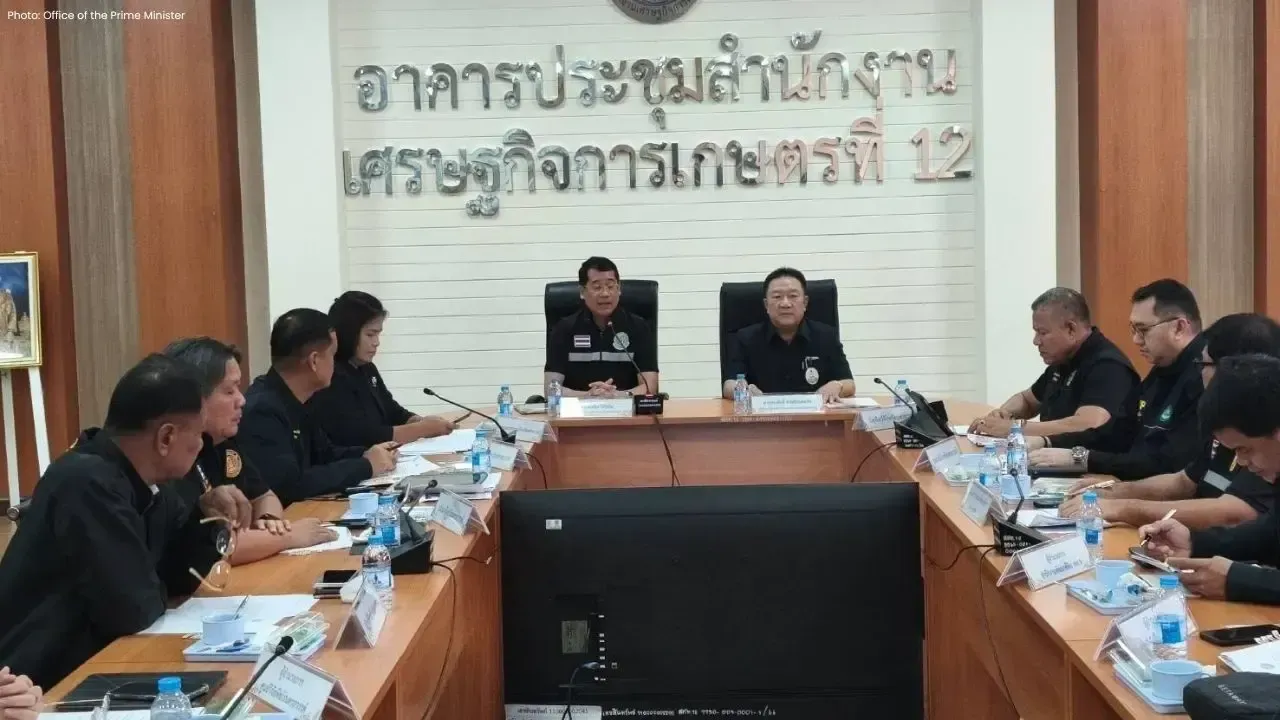
Thai Agriculture Team Reviews 2026 Farm Development Plans
Agriculture Ministry officials inspected livestock and organic rice projects in Nakhon Sawan to moni
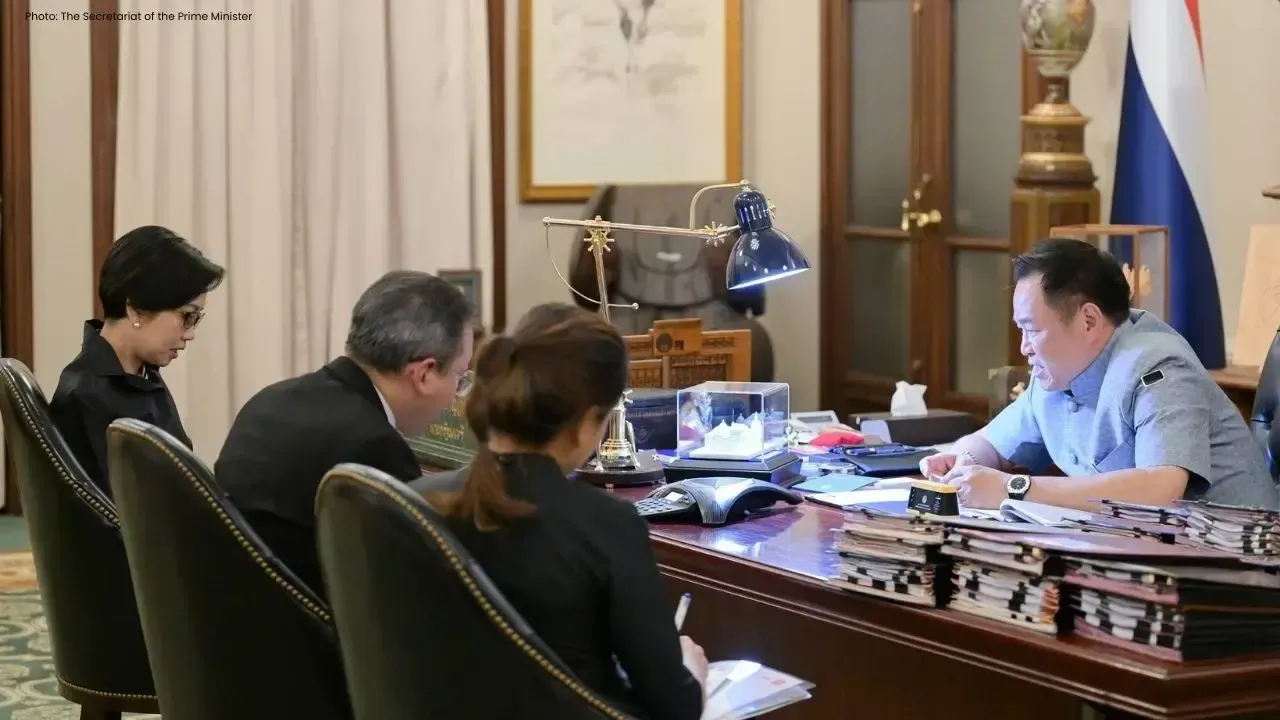
Thailand, Canada Boost Ties in PM-Level Phone Talks
Thailand and Canada agreed to strengthen trade, security, OECD cooperation and ASEAN-Canada FTA talk