
You have not yet added any article to your bookmarks!
Join 10k+ people to get notified about new posts, news and tips.
Do not worry we don't spam!
Post by : Meena Ariff
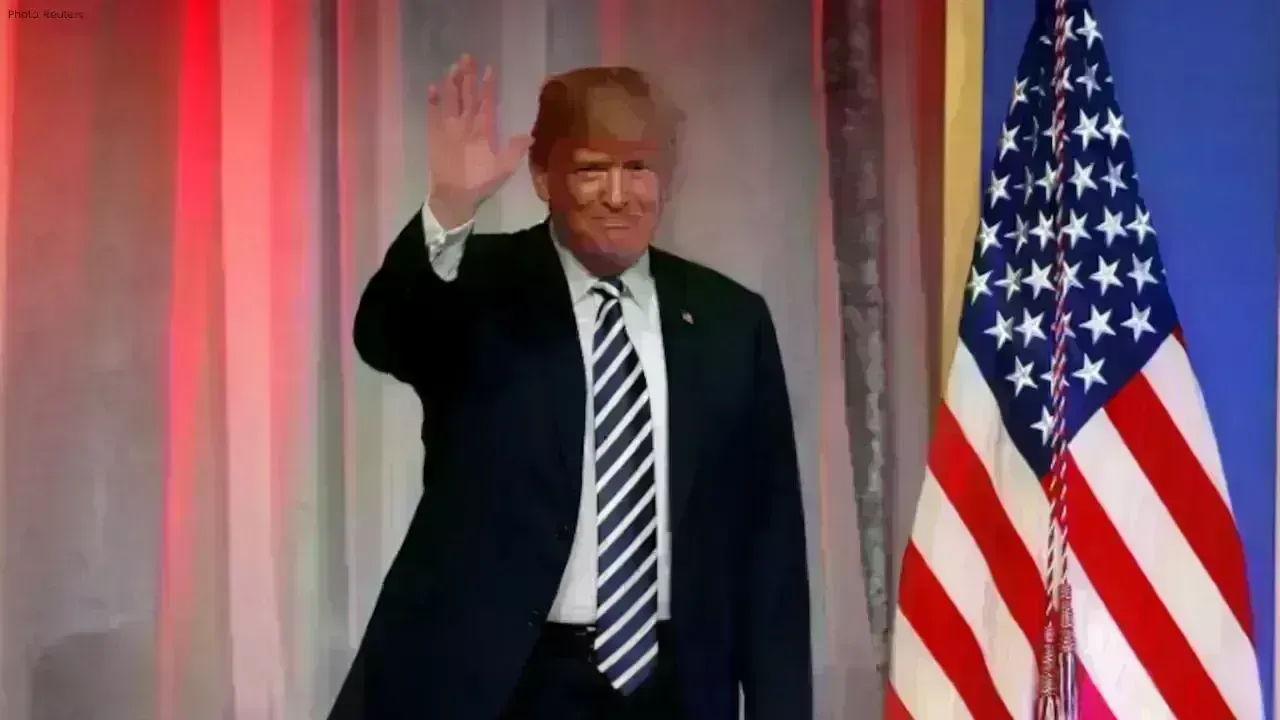
In a significant policy change, the Trump administration has reworked the United States' H-1B visa program, opting for a weighted selection process over the traditional lottery system. This new framework favors higher salaries and specialized skills, which is likely to reduce opportunities for entry-level applicants, especially among Indian nationals.
Set to take effect on February 27, 2026, the revised rules will intersect with the fiscal year 2027 registration cycle for H-1B visas, of which approximately 85,000 are granted each year.
The U.S. Citizenship and Immigration Services highlighted that the previously utilized random lottery was frequently exploited by employers seeking lower-wage foreign talent. The updated system will prioritize applications that present higher compensation and specialized roles.
A spokesperson from the government indicated that the aim of this initiative is to shield American workers while attracting top global talent and preventing wage suppression domestically.
This announcement builds upon earlier measures by the Trump administration, which included a presidential mandate requiring an extra $100,000 payment for each H-1B visa. This additional cost is currently under legal review. There is also an introduction of a separate, premium visa pathway known as the 'gold card' for affluent foreign nationals.
The H-1B visa is predominantly utilized by U.S. technology companies, healthcare facilities, and academic institutions, with Indian professionals constituting a major share, especially in tech and health sectors. For years, this visa has served as an important avenue for young Indian graduates aspiring to work in the U.S., but the new criteria focusing on salary could present hurdles for those at the early stages of their careers.
In recent times, large corporations such as Amazon, Tata Consultancy Services, Microsoft, Apple, and Google have been the leading issuers of H-1B visas, with California hosting the largest concentration of visa holders.
Proponents of the program argue it promotes innovation and addresses critical skill shortages in the U.S. economy, while critics maintain that it primarily provides opportunities for lower-paid positions that contradict the original objectives of the program.
Currently, the H-1B cap stands at 65,000 visas annually, with an additional 20,000 set aside for those holding U.S. master's degrees or higher.










PM Modi Pays Tribute to Mahatma Gandhi, Urges People to Support Khadi
PM Modi pays tribute to Mahatma Gandhi on Gandhi Jayanti and urges citizens to support Khadi and the

Amazon Seeks to Offload $8 Billion in Nvidia Chips to Investors
Amazon plans to move $8 billion in Nvidia chips to investors, using a new financing model to strengt

Samsung Raises Galaxy S26 Prices as Memory Chip Costs Rise
Samsung raises Galaxy S26 prices in South Korea as rising memory chip costs put pressure on smartpho

Lewis Hamilton Calls Singapore Grand Prix One of F1's Toughest Races
Lewis Hamilton discusses the demanding Singapore Grand Prix and brings Plus44 and Almave to Singapor

Denmark's Pandora Opens World's Largest Jewellery Factory in Vietnam
Pandora opens its largest jewellery factory in Vietnam, expanding global production, strengthening s

Gautam Gambhir Questions Batting-Friendly Pitches After India's Record ODI Chase
Gautam Gambhir questions batting-friendly ODI pitches after India’s record chase, calling for a bett

