You have not yet added any article to your bookmarks!
Join 10k+ people to get notified about new posts, news and tips.
Do not worry we don't spam!
Post by : Meena Ariff
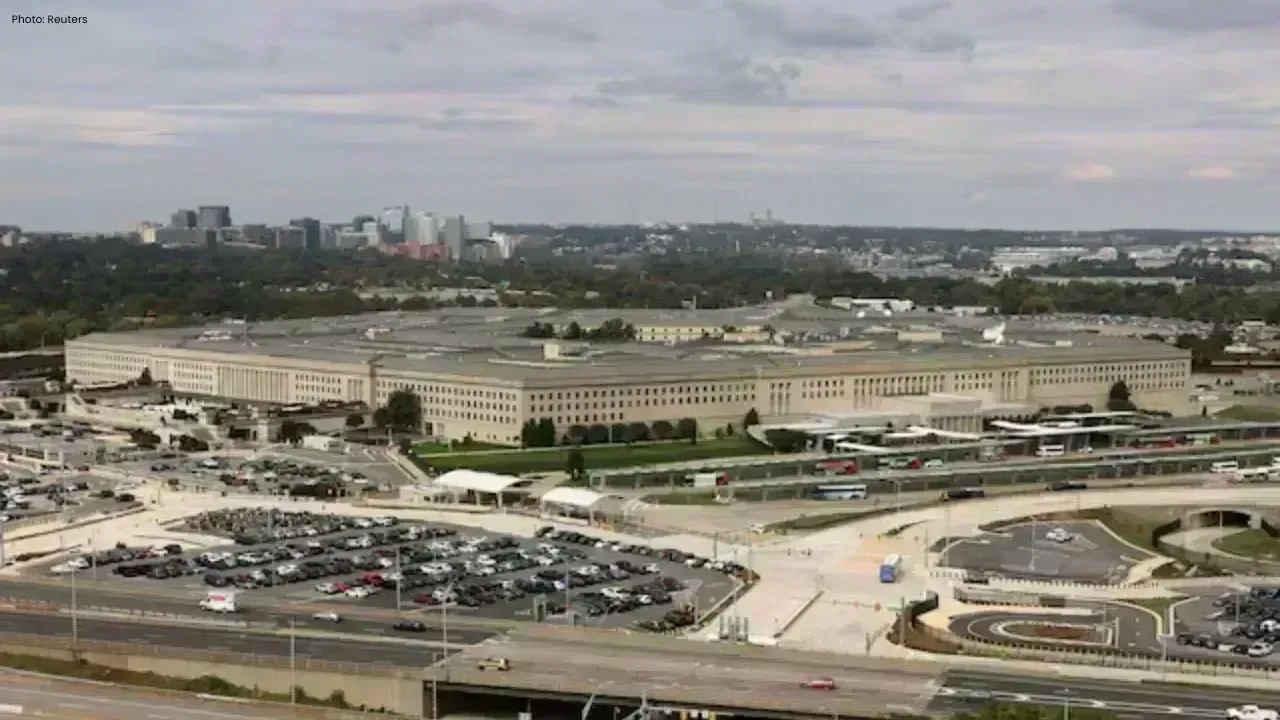
The U.S. Department of Defense has indicated that its role in deterring North Korea could become “more limited” in the coming years, with South Korea expected to take primary responsibility for countering threats from Pyongyang. The shift is outlined in a new policy document released on Friday, and it may open the door for a potential reduction of American troops stationed on the Korean Peninsula.
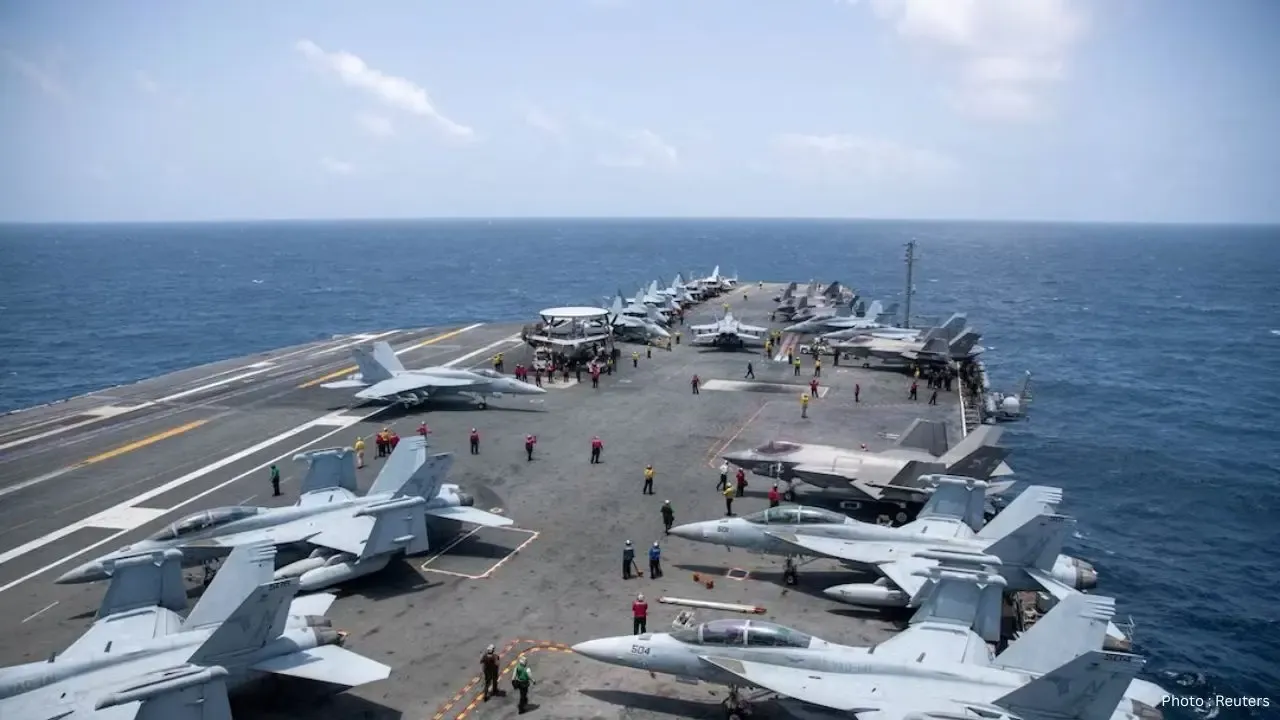
South Korea currently hosts around 28,500 U.S. troops, forming a key part of the long-standing joint security framework designed to respond quickly to North Korea’s military activities. For decades, the presence of U.S. forces has been viewed as a major pillar of deterrence, supporting Seoul through combined training, intelligence cooperation, and rapid response capabilities.
However, the latest Pentagon policy direction suggests the balance of responsibility could gradually tilt further toward South Korea, reflecting a push for greater regional self-reliance and stronger national defense capabilities. While the document does not directly confirm any immediate troop withdrawal plan, the language has sparked attention as it signals a possible change in how the U.S. approaches security commitments in the region.
This development comes at a time when South Korea is already increasing its military readiness. The country has boosted its defense budget by 7.5% for this year, underscoring its intention to expand capabilities and strengthen its own deterrence posture against North Korea’s growing weapons programs and continued military threats.
Analysts say the policy could lead to deeper investment by South Korea in advanced defense systems, surveillance, and strike capabilities, as well as expanded coordination with allies. At the same time, any future reduction in U.S. troop levels would be closely watched across Northeast Asia, given the role American forces play in maintaining regional stability and ensuring a strong allied response to potential escalation.
For now, the alliance between Washington and Seoul remains active and operational, but the policy document suggests a future where South Korea carries more of the frontline responsibility while U.S. support becomes more selective and limited in scope.






George Russell Wins Dutch GP Sprint, Boosts Mercedes Morale
George Russell wins the Dutch GP Sprint from pole as Mercedes teammate Kimi Antonelli extends his F1

Australia 50/3 After Bangladesh Bowled Out for 64 in Second Test
Australia reached 50/3 after Bangladesh were bowled out for 64 in the second Test, with Mitchell Sta

Jordan Burroughs Returns to Wrestling with 2028 Olympic Dream
Jordan Burroughs returns to wrestling with Real American Freestyle as the Olympic champion eyes a po

Lamborghini Catches Fire on Singapore's ECP, Causing Heavy Traffic
A Lamborghini caught fire on Singapore's ECP, causing heavy traffic and bus delays. No injuries were

Bangkok Airport Duty-Free Area Flooded by Pipe Burst
A burst water pipe flooded the duty-free shopping area at Bangkok's Suvarnabhumi Airport on July 16,
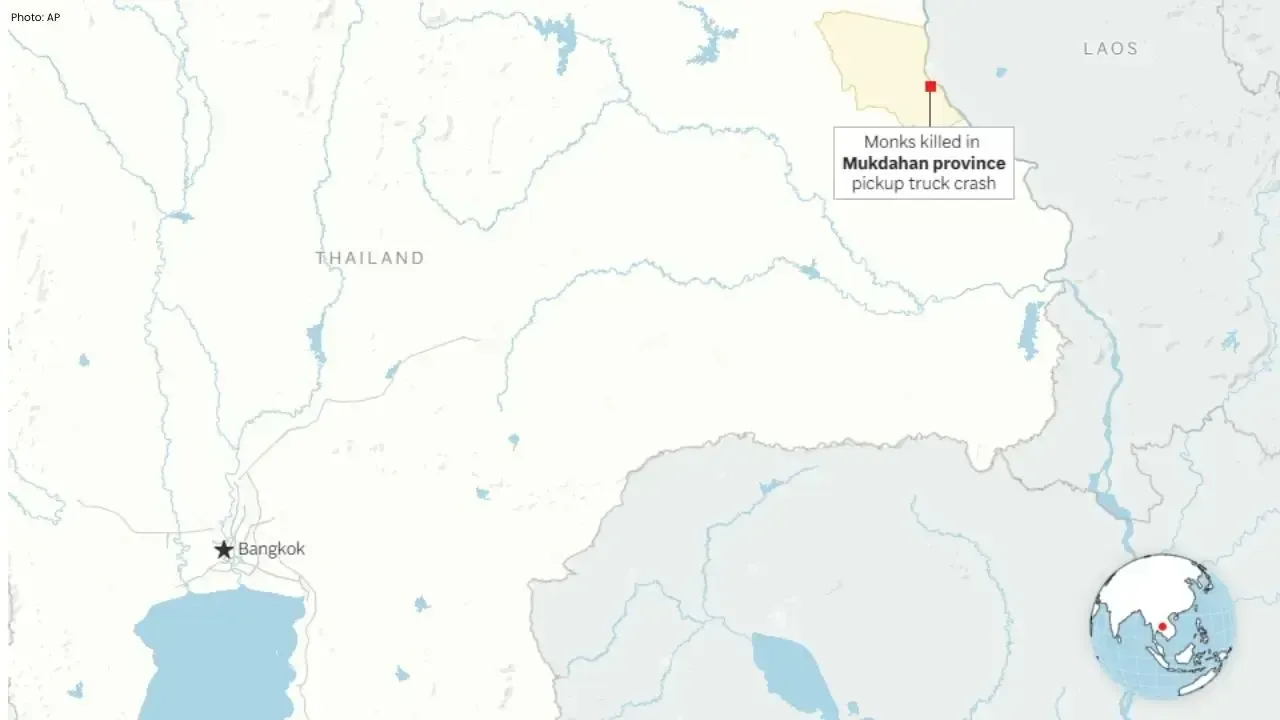
Nine Monks Killed in Thailand Pickup Truck Tragedy
An 11-year-old boy driving a pickup truck crashed into monks during a pilgrimage in northeastern Tha