
You have not yet added any article to your bookmarks!
Join 10k+ people to get notified about new posts, news and tips.
Do not worry we don't spam!
Post by : Saif Rahman
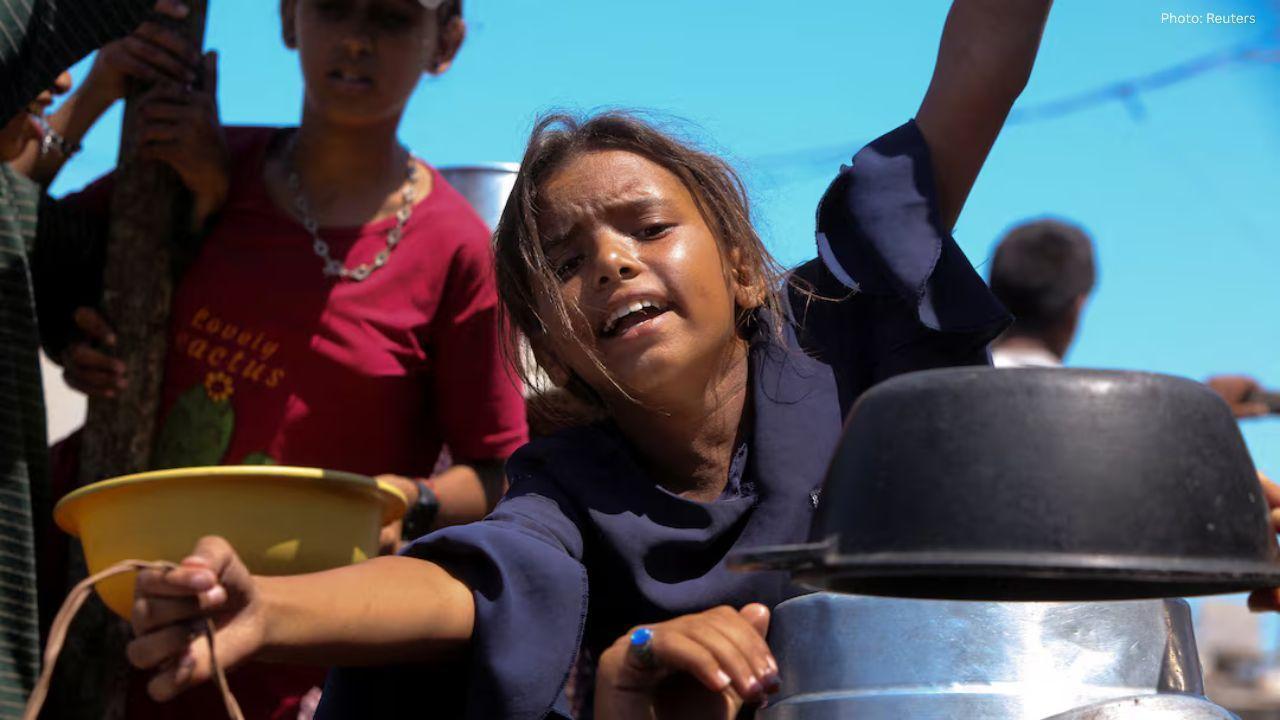
In a significant move to address a critical global aid shortage, the United States has committed $2 billion to humanitarian support for the United Nations. This announcement was made by a U.S. State Department official on Monday, although specific details regarding the allocation of these funds remain undisclosed.
The commitment comes in the wake of drastic reductions in foreign aid by the Trump administration in 2025, as well as cuts from key European nations like Germany, which have shifted focus to defense funding. These changes have resulted in a substantial funding void for the U.N., which depends largely on contributions from affluent countries to assist vulnerable communities.
Statistics reveal a dramatic drop in U.S. humanitarian aid, plummeting from $14.1 billion in 2024 to approximately $3.38 billion in 2025—representing a mere 14.8% of global aid, down from a peak of $17.2 billion in 2022. This sharp decline has severely limited the U.N.'s ability to address emergencies and aid millions in distress.
Recently, the United Nations unveiled its 2026 humanitarian request, calling for $23 billion to assist around 87 million people in jeopardy. This need, nearly half of the $47 billion requested for 2025, highlights both the decrease in donor enthusiasm and the escalating global demands. U.N. aid chief Tom Fletcher underscored that the organization is currently stretched thin and underfunded, necessitating difficult choices to prioritize assistance for those in dire need.
With this pledge, the U.S. aims to alleviate the suffering of millions grappling with conflicts, natural calamities, and extreme poverty. This comes at a pivotal moment as global humanitarian challenges—including food shortages, displacement, and health crises—are on the rise.
Experts indicate that these funds will be instrumental in stabilizing emergency operations and ensuring access to crucial services like food, healthcare, and shelter. However, both the U.N. and aid agencies reiterate that consistent contributions from the U.S. and other nations are essential to confront escalating global issues.
This pledge indicates a renewed U.S. commitment to international humanitarian assistance following last year's significant cuts. Analysts emphasize that ongoing funding will be vital for the U.N. to effectively respond to crises and minimize human suffering.
In an era of growing humanitarian demands, U.S. contributions are critical to ensuring timely aid reaches the most disadvantaged populations. Without such support, millions could find themselves without food, shelter, and vital services in some of the world’s most unstable areas.







PSG Coach Luis Enrique Urges Players to Step Outside Comfort Zone
PSG coach Luis Enrique says players must leave their comfort zone and keep improving as the club tar

China’s Tiangong Sets New 400m Record at Robot Olympics
China’s Tiangong robot sets a new 400m record at the Robot Olympics, beating a South African robot i

George Russell Wins Dutch GP Sprint, Boosts Mercedes Morale
George Russell wins the Dutch GP Sprint from pole as Mercedes teammate Kimi Antonelli extends his F1

Australia 50/3 After Bangladesh Bowled Out for 64 in Second Test
Australia reached 50/3 after Bangladesh were bowled out for 64 in the second Test, with Mitchell Sta

Jordan Burroughs Returns to Wrestling with 2028 Olympic Dream
Jordan Burroughs returns to wrestling with Real American Freestyle as the Olympic champion eyes a po

Lamborghini Catches Fire on Singapore's ECP, Causing Heavy Traffic
A Lamborghini caught fire on Singapore's ECP, causing heavy traffic and bus delays. No injuries were

