
You have not yet added any article to your bookmarks!
Join 10k+ people to get notified about new posts, news and tips.
Do not worry we don't spam!
Post by : Sameer Farouq
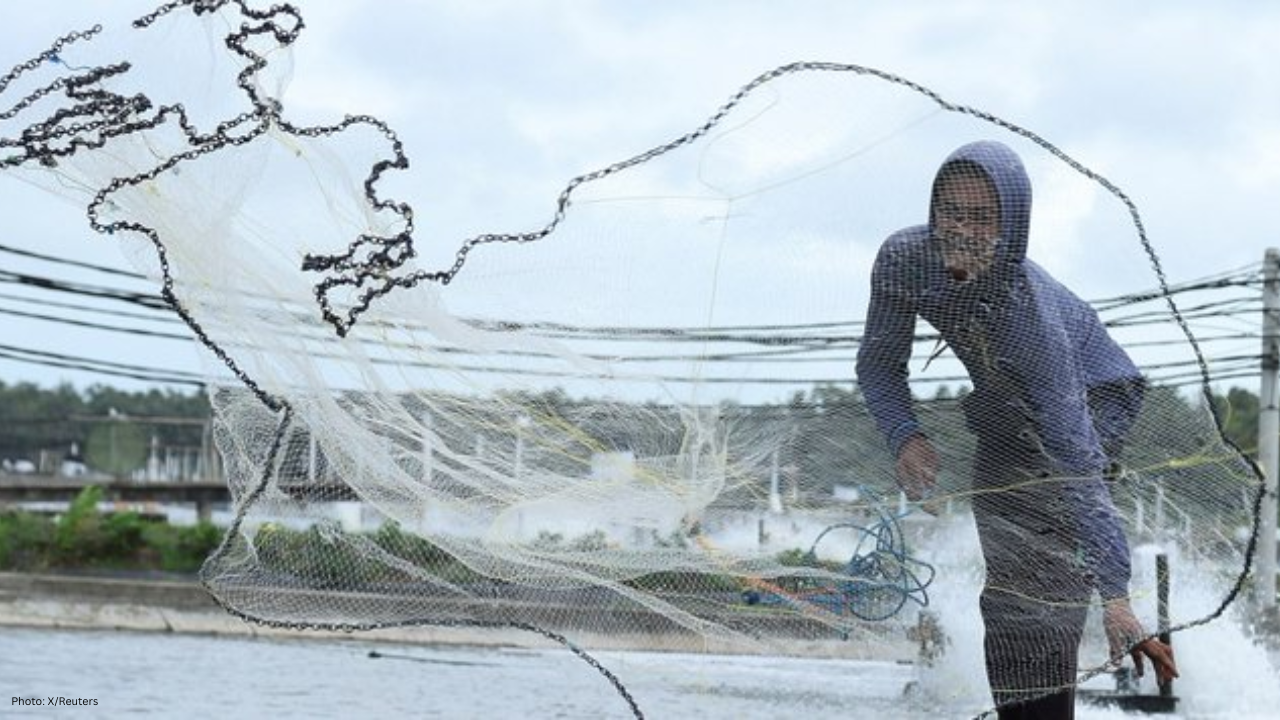
The U.S. Food and Drug Administration (FDA) has dropped a bomb on international food trade, announcing sweeping new requirements for shrimp and spices imported from key regions of Indonesia. The drastic action follows the discovery of radioactive contamination, specifically the isotope Cesium-137 (Cs-137), in multiple shipments destined for American grocery shelves.
Effective October 31, 2025, products arriving from the Island of Java and the Province of Lampung on the Island of Sumatra will face mandatory certification before they are allowed into the country. The move is a serious regulatory escalation, marking one of the first major uses of the FDA’s new authority under the Food Safety Modernization Act (FSMA) to demand pre-entry certification based on known regional food risks.
The core of the crisis is Cesium-137, a radioactive isotope that is not naturally occurring. Cs-137 is a byproduct of nuclear reactions—most notoriously associated with nuclear accidents like Chernobyl and Fukushima—and is known to persist in the environment for decades.
For consumers, exposure to Cs-137 carries an elevated risk of cancer over long-term, repeated consumption. While the FDA has stated that no product confirmed to be contaminated has entered the U.S. consumer market, the presence of the radionuclide has been detected by U.S. Customs and Border Protection (CBP) in both frozen shrimp and cloves.
Investigators in Indonesia are scrambling to pinpoint the exact source of the contamination, especially since Indonesia does not operate nuclear power plants. The trail of the radioactive element has led authorities back to a contaminated industrial area near Jakarta.
Initial incidents saw massive recalls of frozen shrimp products—including those sold under major U.S. supermarket brands like Kroger and Walmart—after the FDA first detected Cs-137. The subsequent discovery of the same radioactive element in spices, such as cloves, only intensified concerns, demonstrating that the contamination issue is wider than initially feared and affects multiple product supply chains originating from the affected Indonesian islands.
The new FDA rules establish a strict, two-tiered monitoring system for all affected Indonesian companies:
Firms placed on the Red List—meaning there is existing evidence of Cs-137 contamination in their products or facilities—must hire an accredited third-party entity to verify that their products are completely free of the radioactive element before being exported.
Even companies that successfully move off the Red List, or those operating in the risk regions, will fall under the Yellow List requirements. These firms must provide official, shipment-specific certification from a designated Indonesian government agency for every single entry of shrimp or spices into the U.S.
This rigorous new standard puts immense pressure on Indonesian exporters to overhaul their food safety and sourcing procedures immediately to protect their vital access to the American market.
Disclaimer: This article is based on public announcements from the U.S. Food and Drug Administration and reports from official news agencies as of the time of publication (October 4, 2025). The situation regarding international food import alerts and investigations is subject to ongoing updates. Consumers should consult the FDA's official website for the latest safety alerts, product recalls, and detailed guidance. The information presented here is for general news reporting purposes only.










PM Modi Pays Tribute to Mahatma Gandhi, Urges People to Support Khadi
PM Modi pays tribute to Mahatma Gandhi on Gandhi Jayanti and urges citizens to support Khadi and the

Amazon Seeks to Offload $8 Billion in Nvidia Chips to Investors
Amazon plans to move $8 billion in Nvidia chips to investors, using a new financing model to strengt

Samsung Raises Galaxy S26 Prices as Memory Chip Costs Rise
Samsung raises Galaxy S26 prices in South Korea as rising memory chip costs put pressure on smartpho

Lewis Hamilton Calls Singapore Grand Prix One of F1's Toughest Races
Lewis Hamilton discusses the demanding Singapore Grand Prix and brings Plus44 and Almave to Singapor

Denmark's Pandora Opens World's Largest Jewellery Factory in Vietnam
Pandora opens its largest jewellery factory in Vietnam, expanding global production, strengthening s

Gautam Gambhir Questions Batting-Friendly Pitches After India's Record ODI Chase
Gautam Gambhir questions batting-friendly ODI pitches after India’s record chase, calling for a bett

