You have not yet added any article to your bookmarks!
Join 10k+ people to get notified about new posts, news and tips.
Do not worry we don't spam!
Post by : Meena Ariff
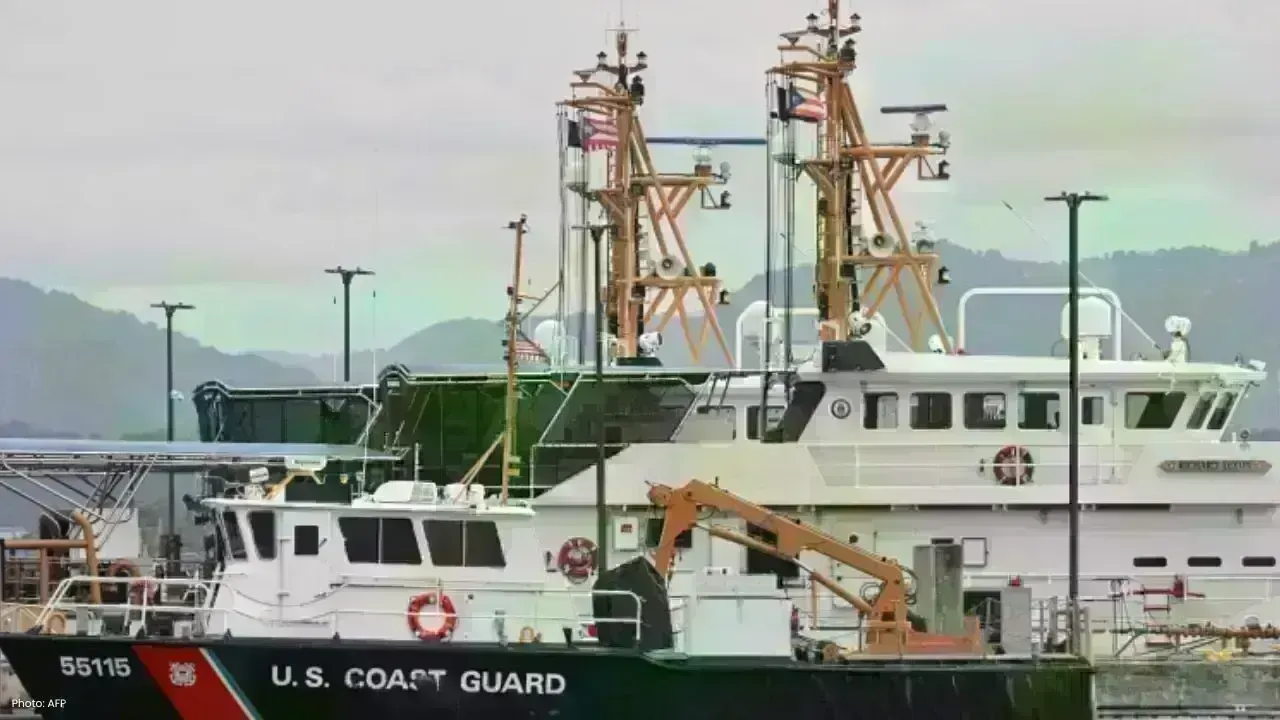
The United States Coast Guard has suspended its search for survivors following recent US military strikes on boats in the eastern Pacific Ocean, as concerns grow over legal accountability and human rights implications linked to the operations.
In an official update issued on Friday, the Coast Guard said the search effort lasted three days and covered waters roughly 400 nautical miles southwest of the Mexico–Guatemala border. Despite operating for more than 65 hours, rescue teams reported no sightings of survivors.
Reports indicated that severe weather conditions complicated the mission, with waves reaching up to nine feet and wind speeds of nearly 40 knots, significantly limiting visibility and search effectiveness.
Earlier in the week, the US military’s Southern Command confirmed it had struck three boats traveling together in the eastern Pacific. According to military officials, three people were killed on one vessel, while individuals on the remaining two boats reportedly jumped into the water before their vessels were hit and subsequently sank. In a separate strike, two additional deaths were reported, though authorities did not disclose the precise location of that incident.
In both operations, the military stated the targeted boats were involved in drug trafficking, but no supporting evidence was made public.
With these latest incidents, the total number of confirmed US strikes on maritime vessels has risen to 33 since early September, resulting in at least 115 deaths, according to figures released by the Trump administration.
The Coast Guard did not specify how many individuals were believed to be in the water at the time of the search. Military officials said the Coast Guard was alerted immediately, as no US Navy ships were stationed nearby. Aircraft were deployed from California, and vessels operating in the region were advised to assist if possible.
The strikes have drawn sharp criticism from human rights organisations and international law experts, who argue the operations may constitute extrajudicial killings carried out without judicial oversight or due process. Legal observers have also warned that the actions could violate international maritime and humanitarian laws.
The Trump administration has defended the strikes, describing the targets as “narcoterrorists” allegedly using drug trafficking as a tool to threaten US national security.
Public scrutiny increased after an earlier strike in the Caribbean appeared to hit survivors of an initial attack, raising questions about adherence to military rules of engagement and the laws governing armed conflict.
Past cases indicate that some individuals have survived similar attacks. In late October, the Mexican Navy halted a rescue mission after four days. In another incident, two survivors rescued from a submerged vessel in the Caribbean Sea were returned to Ecuador and Colombia. Ecuadorian authorities later released one of the men, citing a lack of evidence linking him to criminal activity.
Most US military maritime operations have been concentrated in waters surrounding Venezuela, as Washington intensifies economic sanctions, increases its military presence in the region, and enforces restrictions on sanctioned Venezuelan oil shipments.
Venezuelan President Nicolás Maduro has accused the United States of attempting to undermine his government and gain control of the country’s oil reserves. However, in a recent statement, he struck a more conciliatory tone, expressing willingness to engage in talks with Washington to address drug trafficking concerns.






PSG Coach Luis Enrique Urges Players to Step Outside Comfort Zone
PSG coach Luis Enrique says players must leave their comfort zone and keep improving as the club tar

China’s Tiangong Sets New 400m Record at Robot Olympics
China’s Tiangong robot sets a new 400m record at the Robot Olympics, beating a South African robot i

George Russell Wins Dutch GP Sprint, Boosts Mercedes Morale
George Russell wins the Dutch GP Sprint from pole as Mercedes teammate Kimi Antonelli extends his F1
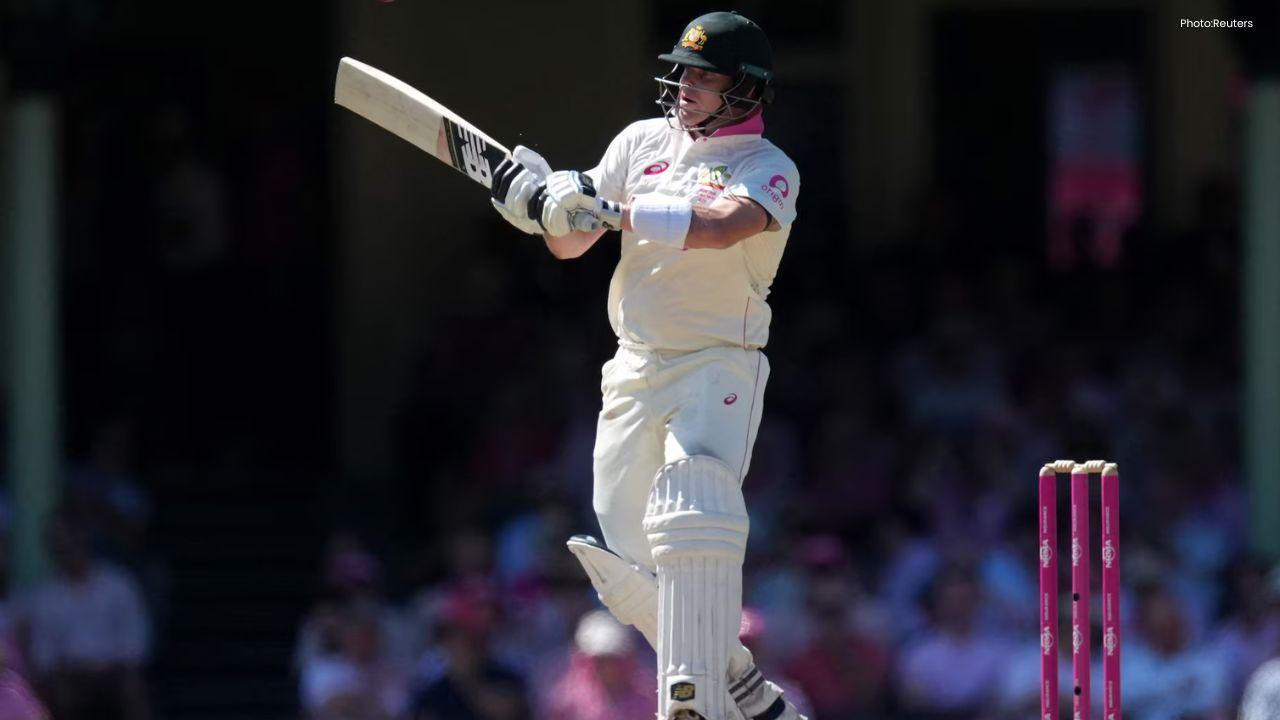
Australia 50/3 After Bangladesh Bowled Out for 64 in Second Test
Australia reached 50/3 after Bangladesh were bowled out for 64 in the second Test, with Mitchell Sta

Jordan Burroughs Returns to Wrestling with 2028 Olympic Dream
Jordan Burroughs returns to wrestling with Real American Freestyle as the Olympic champion eyes a po

Lamborghini Catches Fire on Singapore's ECP, Causing Heavy Traffic
A Lamborghini caught fire on Singapore's ECP, causing heavy traffic and bus delays. No injuries were