You have not yet added any article to your bookmarks!
Join 10k+ people to get notified about new posts, news and tips.
Do not worry we don't spam!
Post by : Saif Rahman
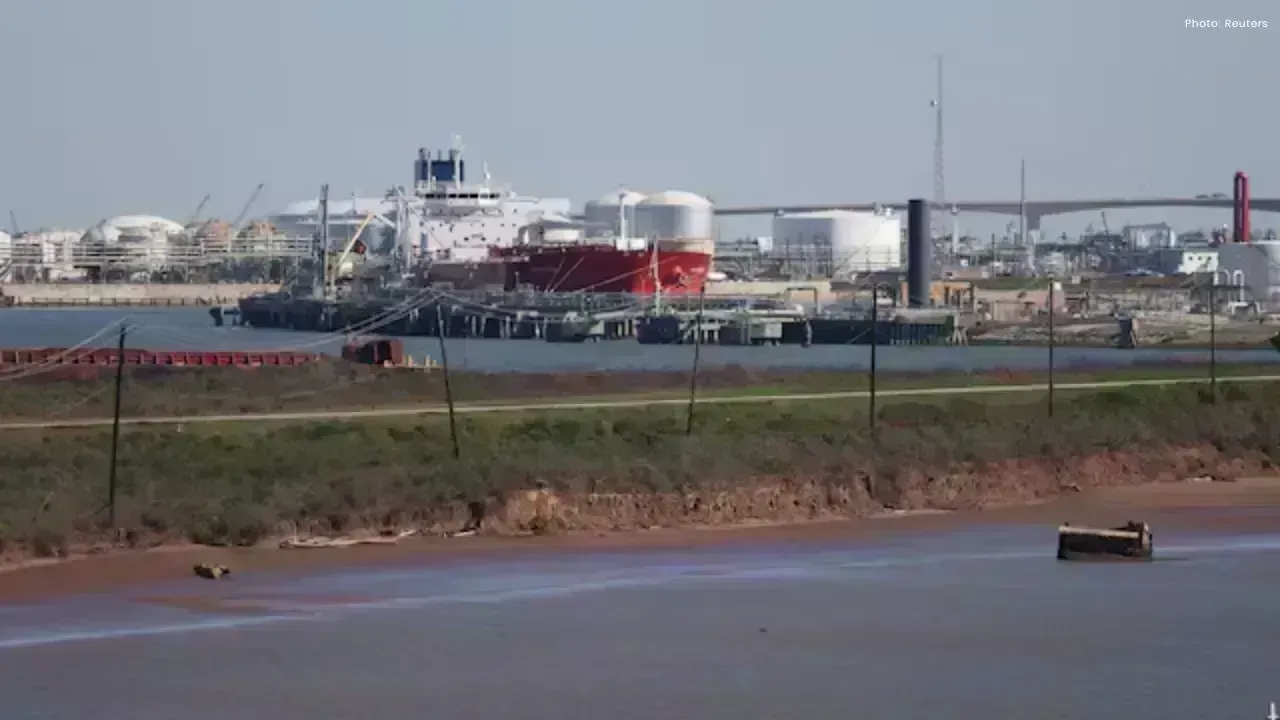
The expanding influence of the United States over Venezuela's oil market presents a significant new obstacle for the nation. Analysts are raising alarms that this control could lead to a contentious debt conflict with China, complicating Venezuela's already dire financial situation.
Since 2017, Venezuela has defaulted on a considerable portion of its foreign debt, which totals around 150 billion dollars owed to various international lenders. Reports indicate that roughly ten percent of this debt is owed to China. Historically, Venezuela has managed to fulfill some of this financial obligation through oil shipments to Chinese purchasers instead of making cash payments.
After the imposition of U.S. sanctions in 2019, this oil-for-debt scheme became vital for Venezuela, enabling it to continue servicing its loans to China while neglecting other creditors.
However, this arrangement has been significantly disrupted. Following the recent detainment of former President Nicolás Maduro, the U.S. announced that funds from Venezuela's oil exports would be directed to an account controlled by American authorities, with reports suggesting this account is established in Qatar.
Given that oil exports are the cornerstone of Venezuela's economy, this shift provides the U.S. with unprecedented control over payment distributions. Experts warn that such a commanding influence is both rare and perilous.
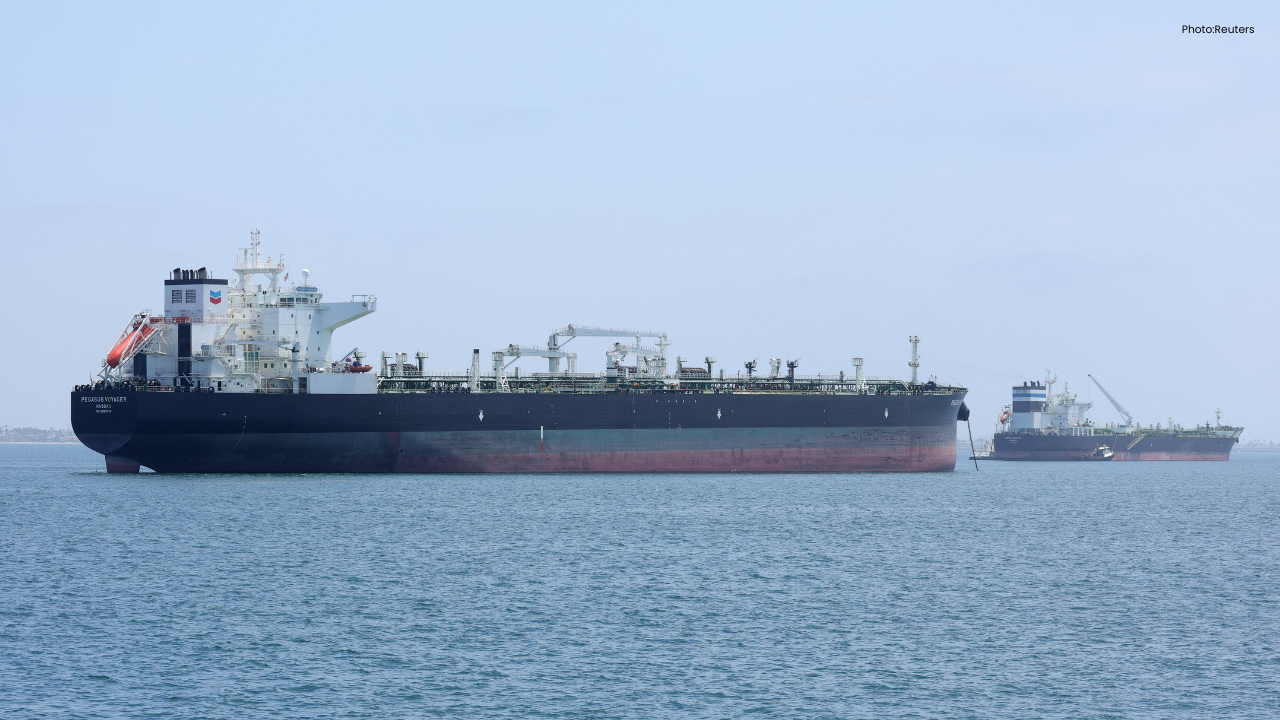
Recent analysis indicates that numerous tankers previously transporting Venezuelan crude oil to China were set to address Chinese loan interests. However, under current circumstances, those shipments no longer meet this function. Instead, these oil transactions are now executed under U.S. oversight, being treated as regular market dealings rather than as debt reimbursements.
China's reaction has been firm. The foreign ministry emphasized the necessity to safeguard China’s rights and interests in Venezuela, simultaneously criticizing the diversion of oil exports, suggesting it could negatively impact other nations with valid claims.
The Trump administration contends that this restructured arrangement will yield benefits for both Venezuelan and American citizens. U.S. officials maintain that while China can still purchase oil from Venezuela, it will no longer be at drastically marked-down prices. They assert that Venezuela will henceforth receive equitable compensation for its oil.
Conversely, experts in debt restructuring express considerable concerns. Conventionally, debt restructuring involves a consensus among major creditors to equitably absorb losses, usually facilitated through organizations like the Paris Club which establishes guidelines for private lenders.
The U.S. control over Venezuela's oil proceeds could disrupt this equilibrium. Analysts fear that older creditors, such as bondholders and China, might be sidelined by emerging political priorities, potentially leading to prolonged negotiations or even the failure of restructuring discussions altogether.
China's collaboration remains crucial, as it is the largest bilateral lender to developing nations and has been instrumental in recent debt agreements with countries like Ghana and Zambia. Should Beijing conclude that it’s being unfairly treated regarding Venezuelan debts, it could withdraw its cooperation in future global debt talks.
This scenario would not only harm Venezuela. Other struggling nations that depend on global cooperation for debt resolution could also face severe repercussions.
For Venezuela, the stakes are incredibly high. Absent a fair and transparent debt restructuring agreement, the country is unlikely to regain access to global markets or attract fresh investments. Prolonged delays could entrap its economy in a state of crisis for an extended period.
As the U.S. and China engage in this delicate balancing act, experts caution that the political leverage over oil revenues must be managed prudently, lest Venezuela's pathway to recovery becomes even more protracted and arduous.





George Russell Wins Dutch GP Sprint, Boosts Mercedes Morale
George Russell wins the Dutch GP Sprint from pole as Mercedes teammate Kimi Antonelli extends his F1

Australia 50/3 After Bangladesh Bowled Out for 64 in Second Test
Australia reached 50/3 after Bangladesh were bowled out for 64 in the second Test, with Mitchell Sta

Jordan Burroughs Returns to Wrestling with 2028 Olympic Dream
Jordan Burroughs returns to wrestling with Real American Freestyle as the Olympic champion eyes a po

Lamborghini Catches Fire on Singapore's ECP, Causing Heavy Traffic
A Lamborghini caught fire on Singapore's ECP, causing heavy traffic and bus delays. No injuries were

Bangkok Airport Duty-Free Area Flooded by Pipe Burst
A burst water pipe flooded the duty-free shopping area at Bangkok's Suvarnabhumi Airport on July 16,

Nine Monks Killed in Thailand Pickup Truck Tragedy
An 11-year-old boy driving a pickup truck crashed into monks during a pilgrimage in northeastern Tha