
You have not yet added any article to your bookmarks!
Join 10k+ people to get notified about new posts, news and tips.
Do not worry we don't spam!
Post by : Badri Ariffin
The U.S. government has sanctioned a significant arms sale to Taiwan valued at over $10 billion. This comprehensive package includes advanced missiles, howitzers, drones, and various military assets. The decision has drawn sharp criticism from China, which vehemently opposes foreign military support to Taiwan.
Components of the Arms Package
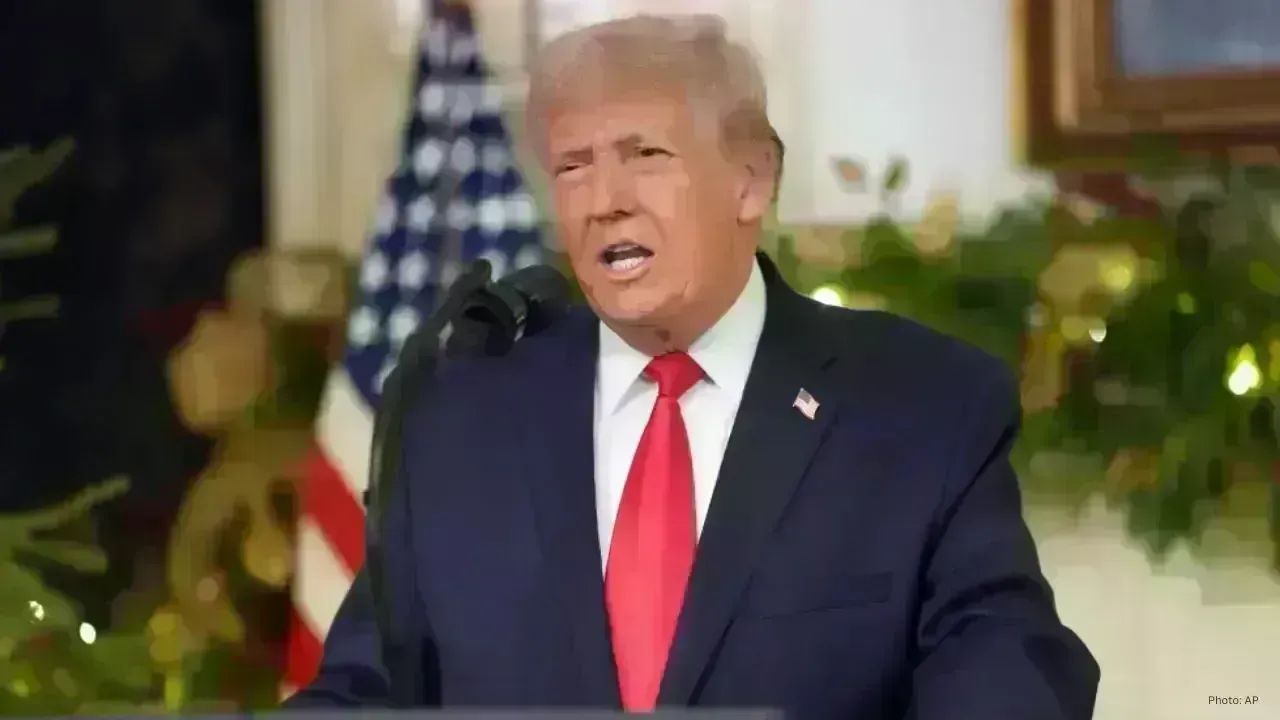
The U.S. State Department disclosed the transaction details late on Wednesday in a televised address by President Donald Trump. The announcement highlighted eight primary agreements:
82 HIMARS rocket systems
420 Army Tactical Missile Systems (ATACMS), akin to those previously provided to Ukraine
60 self-propelled howitzer systems
Drones valued at over $1 billion
Military software costing over $1 billion
Javelin and TOW missiles worth $700 million
Helicopter spare components holding a value of $96 million
Harpoon missile refurbishment kits valued at $91 million
The combined cost of HIMARS and ATACMS alone surpasses $4 billion, with the howitzer systems contributing an additional $4 billion.
Rationale Behind the Approval
According to the State Department, the sale reinforces U.S. national interests and objectives. It aims to aid Taiwan in modernizing its defense capabilities and sustaining robust military systems. Officials emphasized that this sale will:
enhance Taiwan’s self-defense
promote political stability
ensure military equilibrium in the region
accelerate economic advancement
Under national law, the U.S. is obligated to assist Taiwan in its self-defense endeavors. This commitment has become increasingly contentious as China raises military pressure on the island.
The Chinese Reaction
China views Taiwan as a part of its sovereign territory and has signaled that it may resort to force to unify the island with the mainland. The Chinese embassy in Washington issued a strong condemnation of the legislation surrounding the arms deal.
China contends that the U.S. is:
overstating the “China threat”
provocatively backing Taiwan’s military
interfering in China’s developmental path
undermining U.S.–China relations
Taiwan's Response
Taiwan’s Defense Ministry expressed gratitude towards the U.S., stating that the sale is crucial for maintaining defense and preventing conflict. Taiwan's Foreign Minister also highlighted the long-term support received.
Taiwan believes increasing military expenditure:
is essential for ensuring peace
protects the Taiwan Strait
serves as a deterrent against potential aggressions
In support of this, Taiwan has announced plans to raise defense spending to 3.3% of its GDP in the coming year, targeting 5% by 2030. President Lai Ching-te recently unveiled a special defense budget of $40 billion, which includes a new air defense initiative termed Taiwan Dome.
Political Context
This arms sale coincides with new U.S. legislative measures likely to be ratified imminently. The National Defense Authorization Act incorporates heightened restrictions on China along with augmented military assistance for Taiwan. China has voiced strong objections to this legislative initiative.
The U.S. Senate approved the bill on Wednesday, and President Trump is anticipated to enact it soon.
This $10 billion arms agreement fortifies U.S.–Taiwan relations and enhances Taiwan’s defense framework. Nevertheless, it introduces further strain to the already tense U.S.–China diplomatic landscape. The deal may have repercussions on future diplomatic relations, regional stability, and military dynamics within Asia.










PM Modi Pays Tribute to Mahatma Gandhi, Urges People to Support Khadi
PM Modi pays tribute to Mahatma Gandhi on Gandhi Jayanti and urges citizens to support Khadi and the

Amazon Seeks to Offload $8 Billion in Nvidia Chips to Investors
Amazon plans to move $8 billion in Nvidia chips to investors, using a new financing model to strengt

Samsung Raises Galaxy S26 Prices as Memory Chip Costs Rise
Samsung raises Galaxy S26 prices in South Korea as rising memory chip costs put pressure on smartpho

Lewis Hamilton Calls Singapore Grand Prix One of F1's Toughest Races
Lewis Hamilton discusses the demanding Singapore Grand Prix and brings Plus44 and Almave to Singapor

Denmark's Pandora Opens World's Largest Jewellery Factory in Vietnam
Pandora opens its largest jewellery factory in Vietnam, expanding global production, strengthening s

Gautam Gambhir Questions Batting-Friendly Pitches After India's Record ODI Chase
Gautam Gambhir questions batting-friendly ODI pitches after India’s record chase, calling for a bett

