You have not yet added any article to your bookmarks!
Join 10k+ people to get notified about new posts, news and tips.
Do not worry we don't spam!
Post by : Anis Farhan
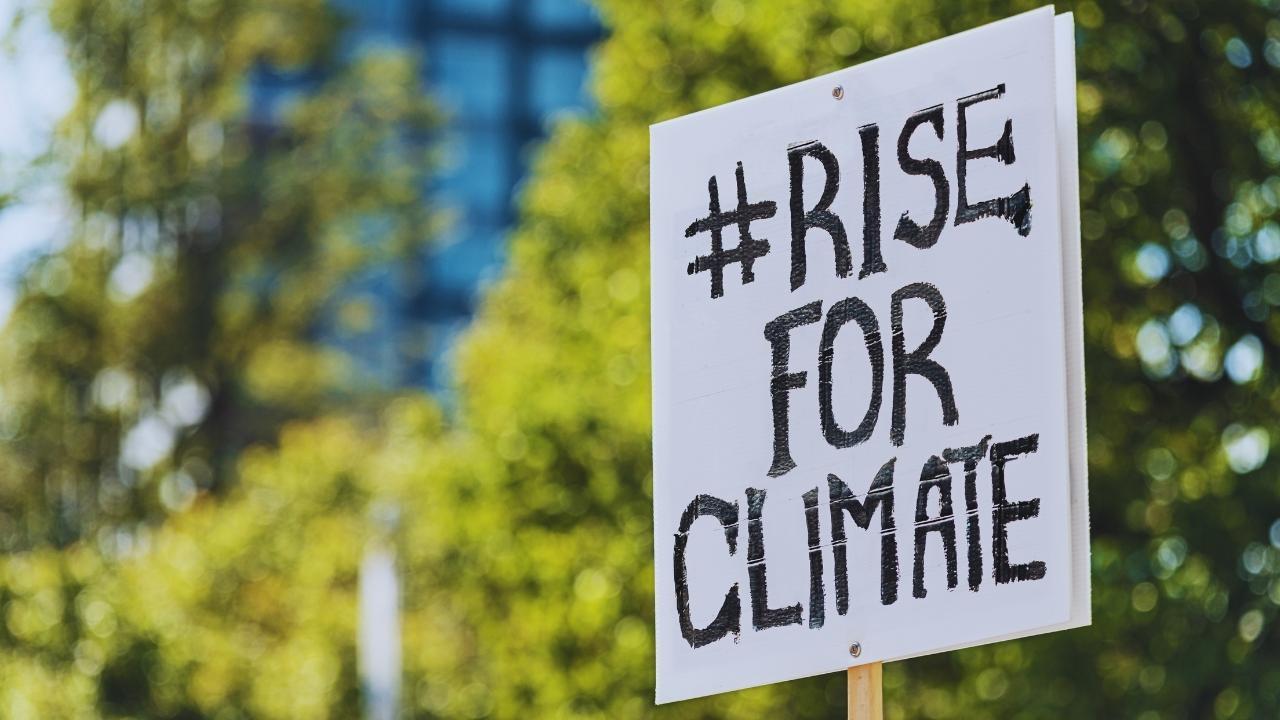
For decades, discussions about climate change have largely centered on international agreements, national policies, and global commitments. While these are crucial, the reality is that much of the real action happens closer to home. Cities, where more than half of the world’s population lives, are increasingly taking charge in the fight against climate change. From reducing emissions to creating green jobs, local governments are proving that meaningful change often begins at the municipal level.
Urban areas are uniquely positioned to lead on climate action. They are responsible for over 70 percent of global carbon emissions, but they are also hubs of innovation, policy experimentation, and community engagement. With rising climate risks like floods, heatwaves, and air pollution threatening city life, local governments are stepping in with practical, immediate solutions that directly impact their residents.
The urgency of climate change is no longer a distant concern. Cities are on the front lines, experiencing its effects firsthand. Rising sea levels threaten coastal towns, smog chokes industrial hubs, and extreme heat puts vulnerable populations at risk. Unlike national governments, which often struggle with political gridlock, city administrations are closer to their communities and can act faster.
Local climate action matters because:
Proximity to citizens: Municipal leaders understand the specific challenges of their regions and can design tailored solutions.
Agility: Cities can pilot innovative programs without the bureaucratic hurdles of national legislation.
Impact: Since urban centers contribute heavily to emissions, even small changes at the city level can create global ripple effects.
This bottom-up approach has given rise to a new wave of city-led climate strategies, often outpacing national efforts.
One of the most visible areas of local climate action is energy. Many cities are transitioning to renewable sources, such as solar, wind, and hydropower. For example, some municipalities have committed to 100 percent renewable electricity for public buildings and transit systems. Others are offering subsidies for rooftop solar installations or creating community-owned energy projects.
Decentralized renewable projects not only cut emissions but also increase resilience. By reducing reliance on large fossil-fuel grids, cities can secure more stable energy supplies, especially during natural disasters or global crises.
Transportation is another major contributor to urban emissions. In response, cities worldwide are investing in sustainable mobility. Expansive metro networks, electric buses, and bike-sharing programs are becoming standard features of climate-smart cities.
Some cities have gone even further by introducing car-free zones, congestion pricing, or incentives for electric vehicle ownership. These efforts not only reduce emissions but also improve air quality, making urban living healthier and more enjoyable.
Climate action at the local level is not just about technology but also about rethinking urban design. Green infrastructure — such as parks, rooftop gardens, and permeable pavements — is being used to manage stormwater, lower urban heat, and enhance biodiversity.
Cities are redesigning neighborhoods to be more walkable and less dependent on cars. This holistic approach improves quality of life while also addressing climate challenges. By weaving sustainability into urban planning, cities are preparing for both present risks and future demands.
Waste management is another critical piece of the puzzle. Many cities are adopting zero-waste policies, emphasizing recycling, composting, and the reduction of single-use plastics. Some municipalities are pioneering circular economies, where products are reused, repaired, or repurposed instead of discarded.
These initiatives cut down on landfill waste and methane emissions while also creating green jobs in recycling and repair industries. By involving citizens directly in waste reduction efforts, cities foster a sense of shared responsibility for environmental stewardship.
Local climate action is most effective when communities are engaged. Cities are launching public awareness campaigns, citizen science projects, and educational programs to involve residents in sustainability. From neighborhood tree-planting initiatives to school programs on energy conservation, these efforts build long-term cultural change.
When citizens feel included in climate strategies, they are more likely to adopt eco-friendly habits, support green policies, and hold leaders accountable. Grassroots involvement ensures that climate action is not just a top-down policy but a collective movement.
Beyond reducing emissions, cities must also adapt to the changes already underway. Urban resilience strategies include building flood defenses, redesigning stormwater systems, and creating heat-resilient housing. In coastal areas, some cities are investing in seawalls, mangrove restoration, and elevated infrastructure to cope with rising seas.
Resilience planning ensures that vulnerable communities are protected. It also reduces long-term economic losses by preparing in advance for climate-related disasters. By investing in adaptation, cities show that they are not only addressing today’s challenges but also preparing for tomorrow’s.
Technology plays a pivotal role in local climate action. Smart city initiatives use data and sensors to monitor energy use, traffic, and air quality in real time. This information helps leaders make informed decisions and adjust policies quickly.
Innovative startups are also contributing solutions, from AI-powered energy grids to apps that track personal carbon footprints. Cities, with their concentration of talent and resources, are natural incubators for these technologies. By fostering innovation, local governments accelerate climate progress and inspire broader adoption.
Cities are not working in isolation. Global networks like C40 Cities, ICLEI, and the Global Covenant of Mayors bring together municipal leaders to share best practices and coordinate efforts. These coalitions show how local action can collectively drive global impact.
Through these collaborations, cities are influencing international climate negotiations, proving that local voices matter on the world stage. They highlight the power of bottom-up leadership in tackling global crises.
While city-led climate initiatives are promising, they also face challenges. Funding is often limited, especially for smaller municipalities. Political turnover can disrupt long-term projects. Additionally, without national support, local actions may face barriers in areas like energy policy or transportation infrastructure.
Despite these hurdles, cities continue to push forward, often finding creative ways to finance and sustain their efforts. Partnerships with private companies, non-profits, and international organizations have helped bridge gaps in resources and expertise.
The story of climate change is often told at the global level, but it is at the local level where the most tangible progress is made. Cities, with their direct connection to communities and their capacity for innovation, are proving to be essential players in the fight against climate change.
By investing in renewable energy, sustainable transport, green infrastructure, and community engagement, urban centers are not just reducing their carbon footprints but also creating healthier, more livable environments. Their actions demonstrate that climate leadership does not always come from national governments — sometimes it begins right in our neighborhoods.
As climate challenges intensify, the importance of local action will only grow. The path to a sustainable future is being paved by cities that refuse to wait for others to act. In many ways, they are not just responding to climate change — they are redefining what it means to lead.
This article is an editorial feature intended for informational purposes only. It highlights examples of local climate action but does not endorse specific policies or organizations. Readers are encouraged to explore further resources for detailed climate strategies.





Jordan Burroughs Returns to Wrestling with 2028 Olympic Dream
Jordan Burroughs returns to wrestling with Real American Freestyle as the Olympic champion eyes a po

Lamborghini Catches Fire on Singapore's ECP, Causing Heavy Traffic
A Lamborghini caught fire on Singapore's ECP, causing heavy traffic and bus delays. No injuries were

Bangkok Airport Duty-Free Area Flooded by Pipe Burst
A burst water pipe flooded the duty-free shopping area at Bangkok's Suvarnabhumi Airport on July 16,
Nine Monks Killed in Thailand Pickup Truck Tragedy
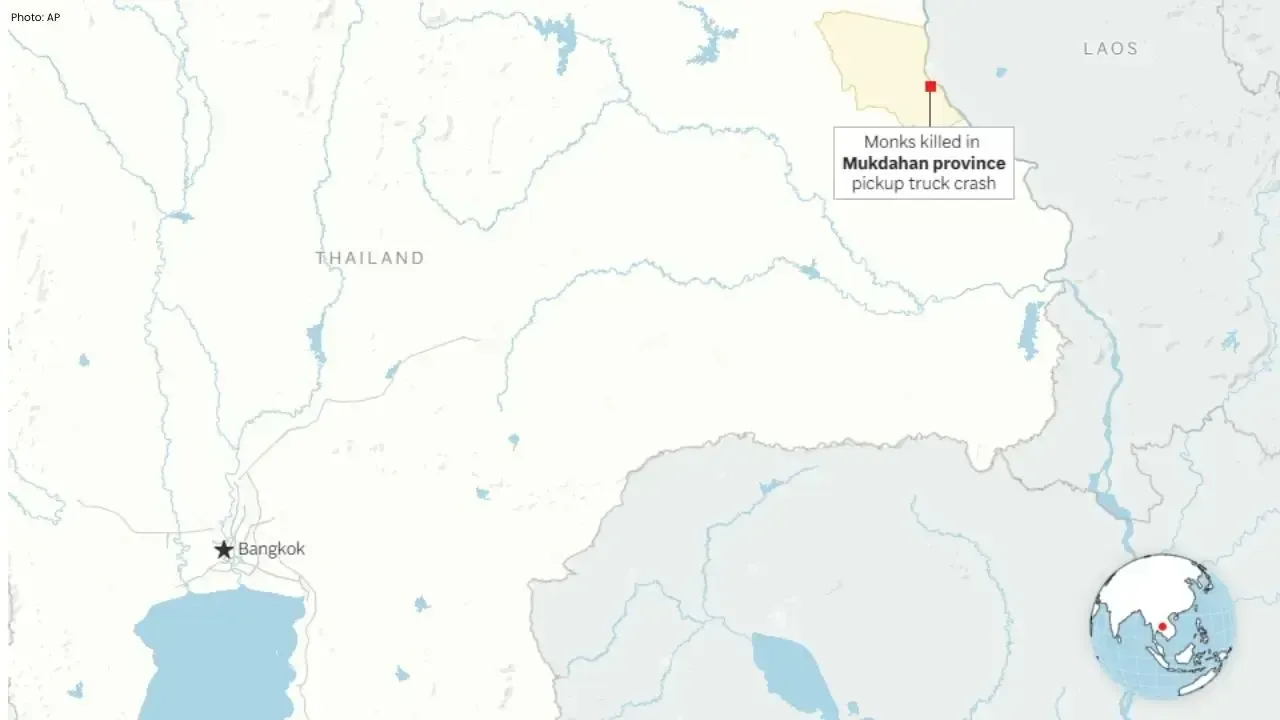
An 11-year-old boy driving a pickup truck crashed into monks during a pilgrimage in northeastern Tha
Anwar Congratulates Xi on CPC's 105th Anniversary
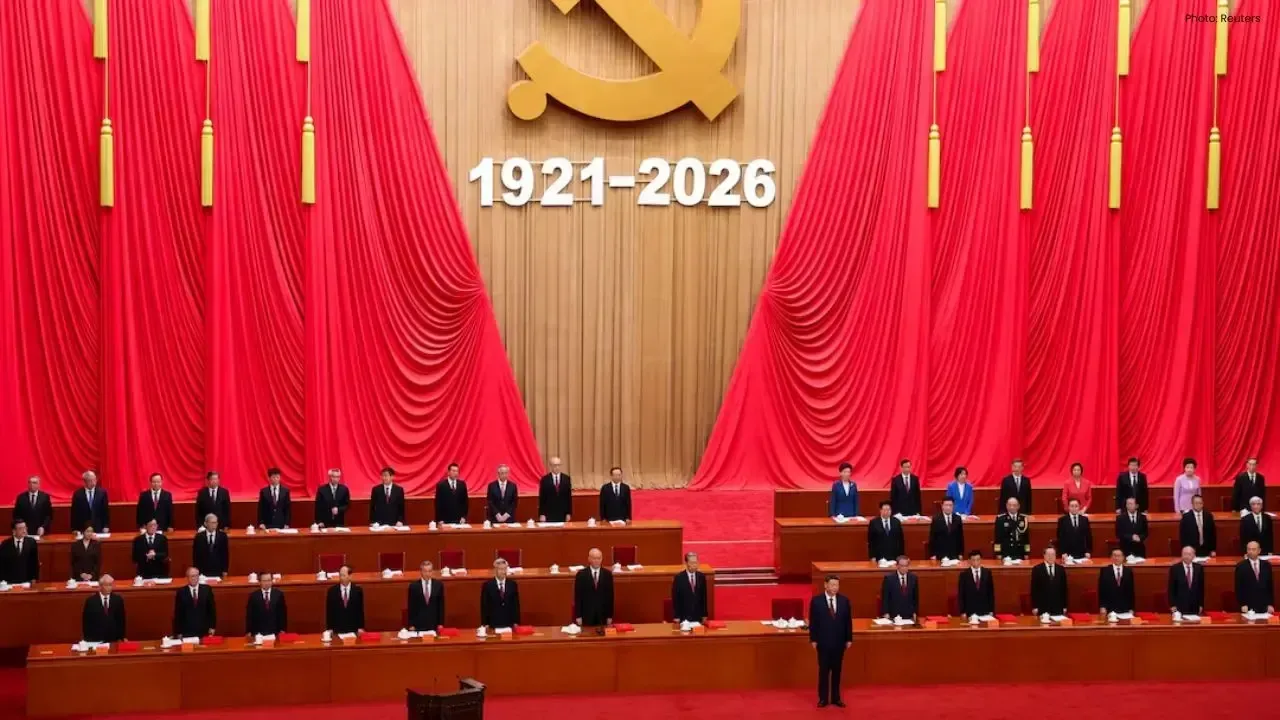
Malaysia reaffirms strong ties with China as PM Anwar Ibrahim sends a congratulatory letter to Presi
Thai Agriculture Team Reviews 2026 Farm Development Plans
Agriculture Ministry officials inspected livestock and organic rice projects in Nakhon Sawan to moni