
You have not yet added any article to your bookmarks!
Join 10k+ people to get notified about new posts, news and tips.
Do not worry we don't spam!
Post by : Badri Ariffin
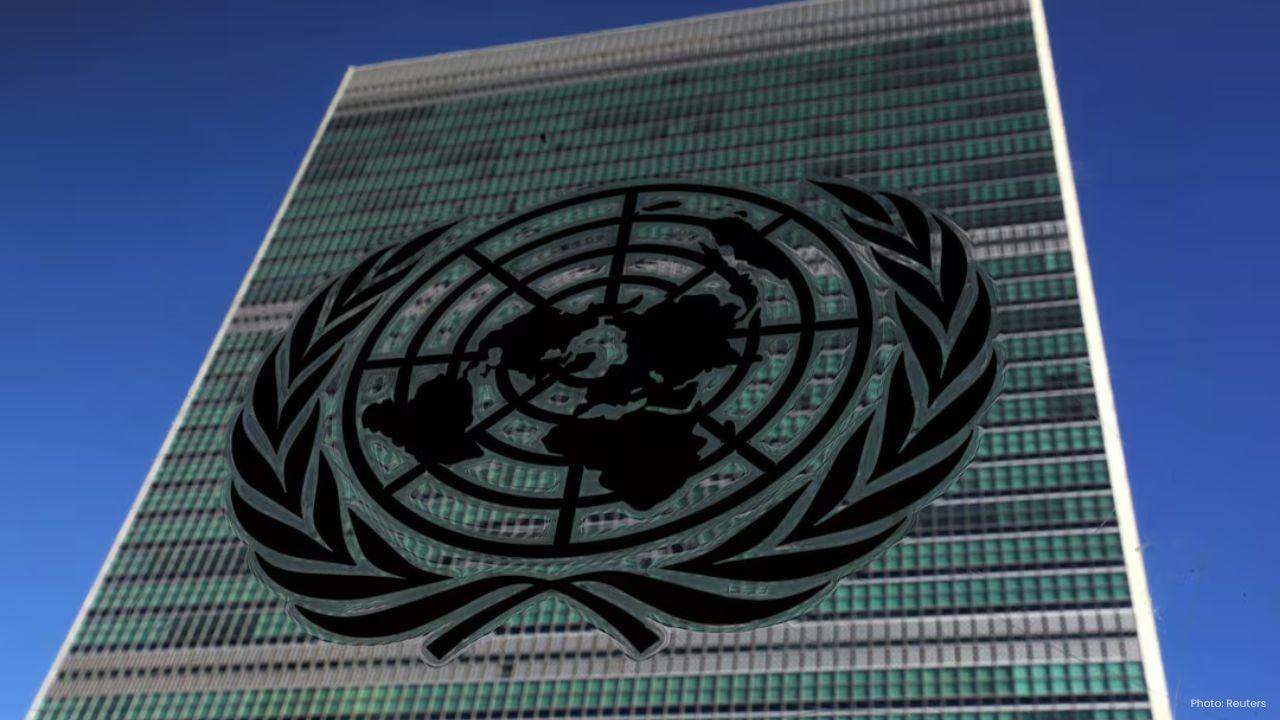
In a groundbreaking development for digital safety, the United Nations has unveiled the inaugural global treaty aimed at combating cybercrime—the Hanoi Convention. Signed in Hà Nội, this agreement signifies a pivotal advancement toward creating a more secure and accountable online world.
Following five years of rigorous negotiations, this Convention establishes a unified, legally binding framework that enables countries to collaborate seamlessly against online dangers. Its primary goal is to enhance worldwide cooperation, safeguard privacy, and ensure that no nation remains defenseless against cyberattacks or digital abuse.
A notable aspect of the treaty is its simplified protocol for sharing cross-border digital evidence, a significant advancement for international investigations where offenders, victims, and networks often span multiple jurisdictions. The framework provides explicit guidelines for cooperation among law enforcement bodies globally, dismantling longstanding legal obstacles.
This Convention also makes history by acknowledging the non-consensual distribution of intimate images as a criminal act within an international treaty for the first time. It mandates stronger protective measures for victims, encompassing support systems, content removal, and reparations—an essential step forward for digital rights.
Moreover, the Hanoi Convention aligns with the UN’s overarching digital frameworks, including the Global Digital Compact and the Pact for the Future, both designed to foster a secure and inclusive digital environment.
Structured in nine chapters and comprising 71 articles, the treaty modernizes conventional legal frameworks for the digital epoch while respecting fundamental human rights principles. It delineates strategies for prevention, investigation, and international collaboration to counteract offenses ranging from hacking and data theft to online exploitation.
As the host nation, Việt Nam has played an instrumental role in shaping the Convention, facilitating discourse, and advancing a global conversation on cybersecurity and digital evolution.
With the signature phase now underway, attention will shift to ratification and national implementation—critical steps that will dictate the effectiveness of this landmark agreement in enhancing online safety worldwide.
If implemented successfully, the Hanoi Convention could emerge as a cornerstone in the unified pursuit of protecting privacy, dignity, and security in the digital landscape—ensuring that cyberspace is a domain of trust, not peril.










Michael Bracewell Chooses Casual Contract, Targets BBL Opportunity
Michael Bracewell moves to a casual contract as he eyes a BBL opportunity while remaining available

Tuchel Says Alex Scott Can Challenge Declan Rice for England Midfield Spot
Thomas Tuchel says Alex Scott can challenge Declan Rice for an England midfield place after his impr

Air Quality Turns Unhealthy in Central and Western Singapore Amid Haze
Singapore haze pushes PSI above 100 in central and western areas as smoke from regional hotspots rai

PM Modi Pays Tribute to Mahatma Gandhi, Urges People to Support Khadi
PM Modi pays tribute to Mahatma Gandhi on Gandhi Jayanti and urges citizens to support Khadi and the

Amazon Seeks to Offload $8 Billion in Nvidia Chips to Investors
Amazon plans to move $8 billion in Nvidia chips to investors, using a new financing model to strengt

Samsung Raises Galaxy S26 Prices as Memory Chip Costs Rise
Samsung raises Galaxy S26 prices in South Korea as rising memory chip costs put pressure on smartpho

