
You have not yet added any article to your bookmarks!
Join 10k+ people to get notified about new posts, news and tips.
Do not worry we don't spam!
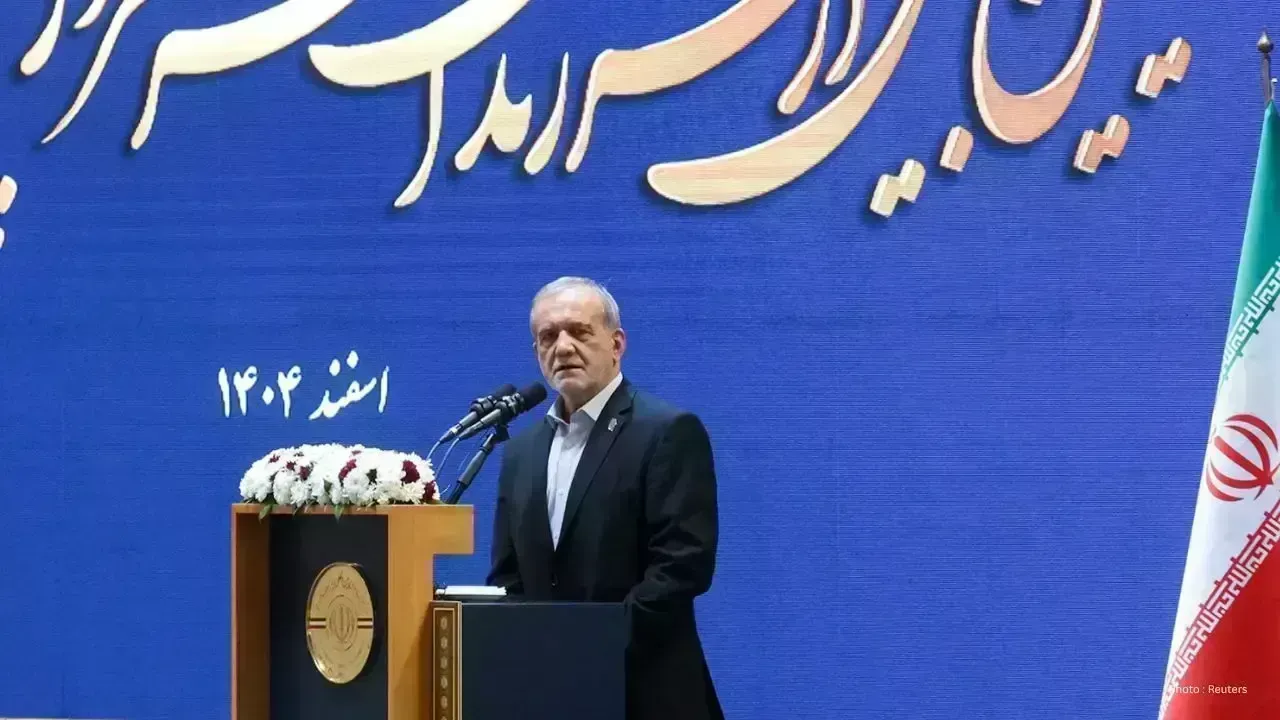
Post by : Shweta
With the conclusion of a crucial round of talks between the United States and Iran resulting in no agreement, the global focus is now on the implications of this standoff on regional stability.
The extensive discussions, which lasted over 21 hours in Islamabad and were led by U.S. Vice President JD Vance alongside Iranian representatives, could not resolve core issues, particularly regarding Iran’s nuclear ambitions and the critical Strait of Hormuz.
These talks represented a rare opportunity for dialogue between two countries that have faced off for decades. The fact that both sides even engaged in direct negotiations signifies a significant step forward, though the intricacies of the issues involved, combined with historical mistrust, hindered a positive outcome.
Central to the ongoing debate is Iran's nuclear program. The U.S. has demanded assurances that Iran will not pursue nuclear weapons, while Tehran maintains its right to develop civilian nuclear capabilities, including enriching uranium. This fundamental disagreement continues to pose a formidable barrier to any potential agreement.
Another critical factor is the Strait of Hormuz, an instrumental route for global energy supplies. Iran’s influence over this waterway adds urgency to the dialogue, especially since any disruptions could shake international oil markets. The U.S. advocates for unimpeded access, while Iran ties the issue to wider security and geopolitical stakes.
Despite the setback in formal discussions, there are hints that negotiations may not be completely stalled. Reports indicate that unofficial communications could persist even after the formal talks concluded. Pakistan, the host country, has shown readiness to support any return to dialogue in the near future.
Yet, the future of the current ceasefire remains uncertain, particularly as it stands to expire on April 22. Neither party has clarified the subsequent steps should discussions fail before the deadline, sparking fears of a military resurgence.
Experts point out that such intricate negotiations are generally protracted and filled with challenges. Previous agreements have taken considerable time to materialize, often facing numerous setbacks. Therefore, the recent talks could be perceived not purely as a failure, but as a crucial first phase in a broader diplomatic initiative.
Currently, both countries are poised to either resume talks or escalate pressures, creating a climate of uncertainty. The forthcoming days are critical in determining whether diplomacy can prevail or if the existing tensions will escalate further.










PM Modi Pays Tribute to Mahatma Gandhi, Urges People to Support Khadi
PM Modi pays tribute to Mahatma Gandhi on Gandhi Jayanti and urges citizens to support Khadi and the

Amazon Seeks to Offload $8 Billion in Nvidia Chips to Investors
Amazon plans to move $8 billion in Nvidia chips to investors, using a new financing model to strengt

Samsung Raises Galaxy S26 Prices as Memory Chip Costs Rise
Samsung raises Galaxy S26 prices in South Korea as rising memory chip costs put pressure on smartpho

Lewis Hamilton Calls Singapore Grand Prix One of F1's Toughest Races
Lewis Hamilton discusses the demanding Singapore Grand Prix and brings Plus44 and Almave to Singapor

Denmark's Pandora Opens World's Largest Jewellery Factory in Vietnam
Pandora opens its largest jewellery factory in Vietnam, expanding global production, strengthening s

Gautam Gambhir Questions Batting-Friendly Pitches After India's Record ODI Chase
Gautam Gambhir questions batting-friendly ODI pitches after India’s record chase, calling for a bett

