
You have not yet added any article to your bookmarks!
Join 10k+ people to get notified about new posts, news and tips.
Do not worry we don't spam!
Post by : Rameen Ariff
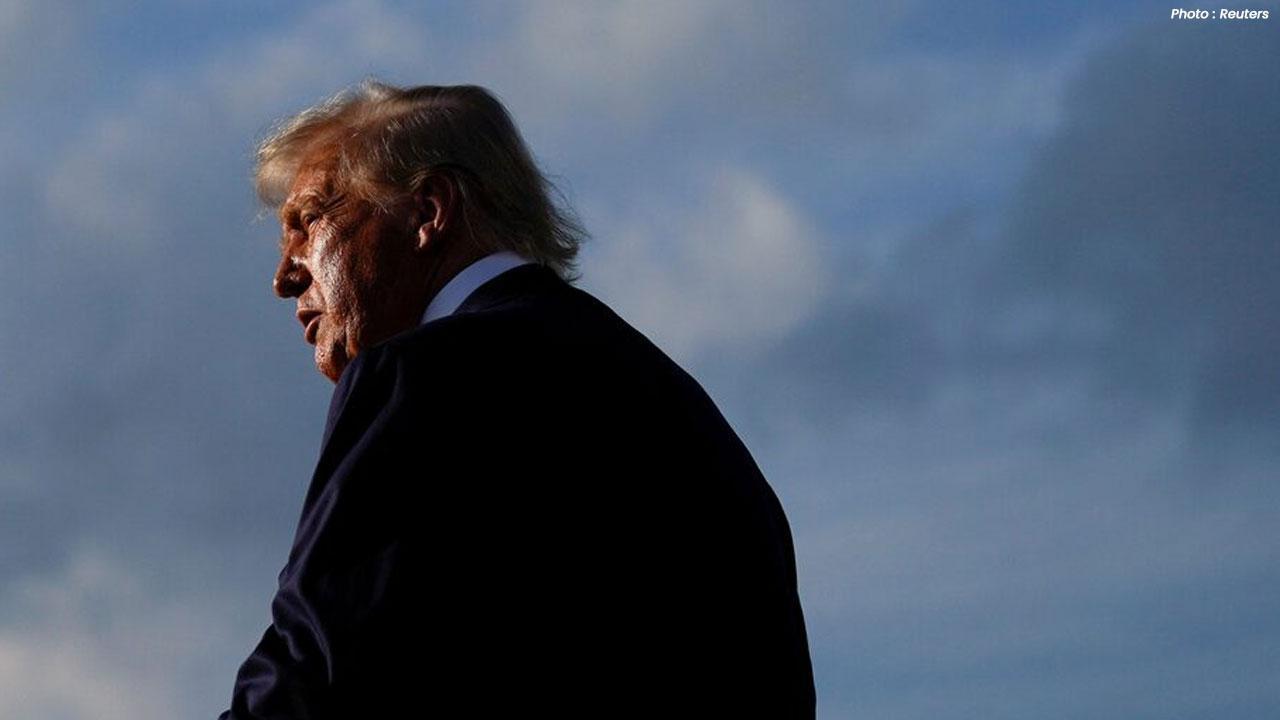
US President Donald Trump has announced an unprecedented plan to impose a 100 per cent tariff on all foreign-made movies, a move that could significantly disrupt Hollywood’s international business operations. The announcement, made on Trump’s social media platform Truth Social, extends his protectionist trade policies into the cultural and entertainment sectors, signaling a major shift in US economic strategy.
Trump argued that the US film industry has been losing ground to foreign competition, stating, “Our movie making business has been stolen from the United States of America, by other countries, just like stealing candy from a baby.” While the claim emphasizes his intent to protect domestic film production, legal experts and industry analysts are questioning the feasibility and authority behind such a tariff.
Details about how the tariff would be enforced remain unclear. Hollywood executives have expressed concern, noting that modern films are often produced across multiple countries, with financing, post-production, visual effects, and talent sourced internationally. These global collaborations make it complicated to determine which movies would fall under the proposed 100 per cent tariff.
The announcement has raised concerns among studios that depend heavily on international box-office revenue and co-productions with foreign companies. Major studios such as Warner Bros. Discovery, Comcast, Paramount Skydance, and Netflix have not issued any statements on how the tariffs might affect their operations. The White House has also not clarified the legal mechanism or implementation process for these tariffs.
Experts have highlighted additional challenges, noting that movies are a form of intellectual property and part of the global trade in services, where the US generally enjoys a surplus. The increasing number of co-productions with international studios further complicates the matter, as it remains unclear how such films would be classified under the new tariff rules.
Trump had initially floated the idea of a movie tariff in May but offered very few specifics, leaving studios uncertain about whether it would apply to select countries or all foreign-made films. The uncertainty has created a wave of apprehension in the entertainment industry, with studios and production companies closely monitoring potential regulatory developments.
This proposed move could have far-reaching consequences for the global film industry. International markets account for a significant portion of Hollywood’s revenue, and a 100 per cent tariff could alter release strategies, co-production agreements, and distribution deals. Analysts warn that this step might also provoke retaliatory trade measures from other countries, affecting not only films but the broader entertainment and cultural exchange between the US and other nations.
While the proposal remains in its early stages, it reflects Trump’s continued emphasis on protectionism and domestic prioritization in trade and industry policy. The entertainment sector, global studios, and legal experts are now awaiting further clarification from the administration on how the tariffs will be applied and enforced.










PM Modi Pays Tribute to Mahatma Gandhi, Urges People to Support Khadi
PM Modi pays tribute to Mahatma Gandhi on Gandhi Jayanti and urges citizens to support Khadi and the

Amazon Seeks to Offload $8 Billion in Nvidia Chips to Investors
Amazon plans to move $8 billion in Nvidia chips to investors, using a new financing model to strengt

Samsung Raises Galaxy S26 Prices as Memory Chip Costs Rise
Samsung raises Galaxy S26 prices in South Korea as rising memory chip costs put pressure on smartpho

Lewis Hamilton Calls Singapore Grand Prix One of F1's Toughest Races
Lewis Hamilton discusses the demanding Singapore Grand Prix and brings Plus44 and Almave to Singapor

Denmark's Pandora Opens World's Largest Jewellery Factory in Vietnam
Pandora opens its largest jewellery factory in Vietnam, expanding global production, strengthening s

Gautam Gambhir Questions Batting-Friendly Pitches After India's Record ODI Chase
Gautam Gambhir questions batting-friendly ODI pitches after India’s record chase, calling for a bett

