You have not yet added any article to your bookmarks!
Join 10k+ people to get notified about new posts, news and tips.
Do not worry we don't spam!
Post by : Saif Rahman
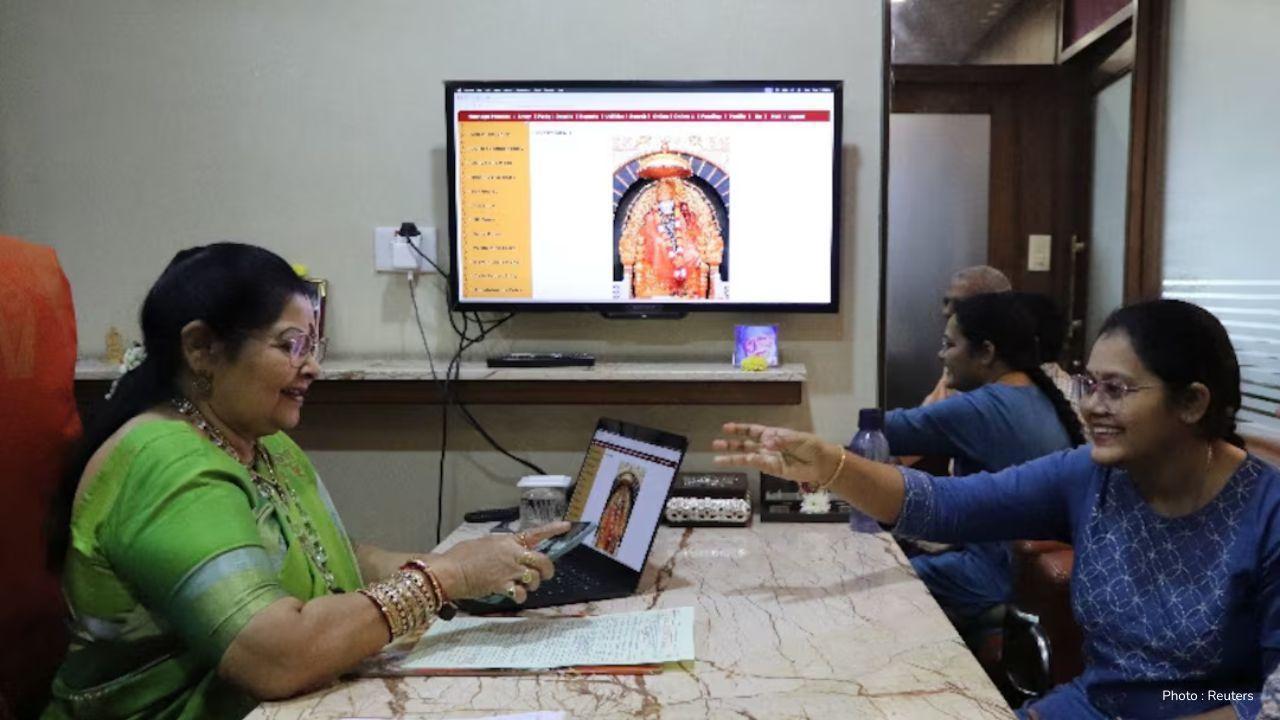
In India, the idea of marrying someone living and working in the United States has long been seen as a path to financial security and a better quality of life. For many families, Indian citizens with H-1B visas—skilled-worker visas allowing Indians to work in the U.S.—were considered highly desirable marriage prospects. However, recent changes in U.S. immigration policy under former President Donald Trump are reshaping this tradition.
The Changing Landscape of Arranged Marriages
Sidhi Sharma, a 19-year-old medical student from Haryana, once dreamed of marrying an Indian working in the U.S. and settling there. Recent news about Trump’s immigration crackdown forced her to reconsider. “I had always dreamed of settling in the U.S. after marriage,” she said. “Trump has shut the door for me.”
Traditionally, marriages in India are family-driven. Parents and relatives play a major role in finding suitable matches, often with the help of matchmaking agencies. While love marriages are increasing, especially in urban areas, families continue to influence decisions, particularly when it comes to financial security and social standing.
H-1B Visa: From Prize to Uncertainty
The U.S. has the largest Indian diaspora in the world, including about 2.1 million Non-Resident Indians (NRIs). Many of these NRIs were once considered ideal marriage partners. Marrying someone in the U.S. meant access to higher-paying jobs, better lifestyle opportunities, and the ability to support extended family in India.
However, Trump’s administration introduced major changes to H-1B visas and tightened legal pathways to residency. This overhaul has made families and prospective brides and grooms uncertain about the stability of jobs and immigration status in the U.S. Indians, who accounted for 71% of H-1B visa holders last year, are particularly affected.
Anuradha Gupta, founder of the matchmaking service Vows For Eternity, explains: “Immigration policies may be written in Washington, but their ripple effects are seen at Indian dinner tables when families discuss marriages.” The uncertainty surrounding H-1B visas has shifted family preferences for potential marriage partners.
Looking Beyond the U.S.
With the U.S. no longer seen as a guaranteed pathway to a secure and prosperous life, Indian families are exploring other options. Countries like Canada, the United Kingdom, and Australia are gaining attention as alternatives for marriage prospects. These countries offer stable immigration systems, job opportunities, and welcoming environments for skilled workers.
Matchmakers report that conversations about potential marriages now include questions about visa stability, job security, and long-term residency prospects. Families are cautious, prioritizing certainty over previous prestige associated with U.S. employment.
Broader Impact on Society
The change in immigration policy is influencing more than individual marriages—it is reshaping cultural expectations. For decades, marrying an NRI in the U.S. was considered a mark of success and social advancement. Now, Indian families are recalibrating what they value in a prospective partner, shifting focus to professional stability, domestic opportunities, and global mobility beyond the U.S.
Experts say that this shift reflects a larger pattern: global policies, even those made far away, can have direct impacts on personal decisions in local communities. For many young Indians, marriage is no longer just a personal or family choice—it is increasingly tied to economic and political realities abroad.
Disclaimer
The Trump-era changes to U.S. immigration policies, particularly the H-1B visa, have transformed the once-coveted status of Indian citizens in the U.S. as prime marriage candidates. Families now think twice before arranging matches with U.S.-based NRIs, weighing job security and immigration stability over past prestige.
For young Indians like Sidhi Sharma and their families, the dream of marrying into the U.S. is becoming uncertain, while countries like Canada, the UK, and Australia emerge as new destinations for hopeful marriages. What was once a cultural symbol of success is now a complex decision shaped by immigration policies, economics, and global politics.






Hyundai raises profit target, expands hybrid lineup in the US
Hyundai hybrid cars get a major boost as the automaker raises its profit margin target and plans new

Josh Kerr and Jakob Ingebrigtsen Set for 1,500m Rivalry Rematch
Josh Kerr and Jakob Ingebrigtsen will renew their 1,500m rivalry at the Ultimate Championship in Bud

PSG Coach Luis Enrique Urges Players to Step Outside Comfort Zone
PSG coach Luis Enrique says players must leave their comfort zone and keep improving as the club tar

China’s Tiangong Sets New 400m Record at Robot Olympics
China’s Tiangong robot sets a new 400m record at the Robot Olympics, beating a South African robot i

George Russell Wins Dutch GP Sprint, Boosts Mercedes Morale
George Russell wins the Dutch GP Sprint from pole as Mercedes teammate Kimi Antonelli extends his F1

Australia 50/3 After Bangladesh Bowled Out for 64 in Second Test
Australia reached 50/3 after Bangladesh were bowled out for 64 in the second Test, with Mitchell Sta