You have not yet added any article to your bookmarks!
Join 10k+ people to get notified about new posts, news and tips.
Do not worry we don't spam!

Post by : Vansh
The world of tourism is evolving rapidly, and at the heart of this transformation lies technology. Over the past decade, innovations such as artificial intelligence, virtual reality, blockchain, and mobile applications have redefined the way people plan, book, and experience their journeys. From personalized itineraries to contactless check-ins, technology has seamlessly integrated into travel, making it smarter, safer, and more convenient. Today, the travel industry is not just about destinations; it’s about how innovation enhances the entire journey.
The digital shift has given rise to smart tourism, where technology plays a central role in creating immersive travel experiences. With online platforms and mobile apps, travelers can now compare flights, book hotels, and even explore virtual tours of destinations before setting foot there. This convenience has transformed travel planning into a highly interactive process, where information is available instantly at the touch of a button.
Moreover, artificial intelligence (AI) and machine learning are redefining customer service in the tourism industry. Chatbots powered by AI are available 24/7, providing instant responses to queries, assisting with bookings, and offering travel recommendations. This automation not only saves time for travelers but also helps companies cut operational costs while enhancing customer satisfaction.
One of the most exciting technological trends in tourism is the rise of virtual reality (VR) and augmented reality (AR). These tools allow travelers to preview destinations, explore hotel rooms, or even walk through historical landmarks from the comfort of their homes. For instance, VR headsets can transport users to the Eiffel Tower, the Great Wall of China, or the Taj Mahal in seconds, offering a realistic glimpse of what awaits them.
AR, on the other hand, enhances real-world experiences. By simply pointing a smartphone at a landmark, tourists can access interactive information, guided tours, and translations. This makes exploring new destinations more engaging and educational, creating unforgettable moments along the journey.
Another crucial innovation is blockchain technology, which ensures secure and transparent transactions in the tourism industry. With blockchain, travelers can book flights, hotels, and car rentals without worrying about fraud or hidden charges. It also streamlines loyalty programs, making it easier for customers to redeem rewards across multiple platforms.
Cryptocurrency payments are also gaining traction, offering travelers more flexibility in managing their expenses abroad. As global adoption of blockchain increases, the future of travel transactions is set to become more secure and efficient, giving tourists peace of mind throughout their journeys.
Disclaimer: The views and insights expressed in this article are intended for informational purposes only. Readers are encouraged to verify details independently before making travel or financial decisions. Newsableasia news is not responsible for any direct or indirect outcomes arising from the use of this content.









Jordan Burroughs Returns to Wrestling with 2028 Olympic Dream
Jordan Burroughs returns to wrestling with Real American Freestyle as the Olympic champion eyes a po

Lamborghini Catches Fire on Singapore's ECP, Causing Heavy Traffic
A Lamborghini caught fire on Singapore's ECP, causing heavy traffic and bus delays. No injuries were

Bangkok Airport Duty-Free Area Flooded by Pipe Burst
A burst water pipe flooded the duty-free shopping area at Bangkok's Suvarnabhumi Airport on July 16,
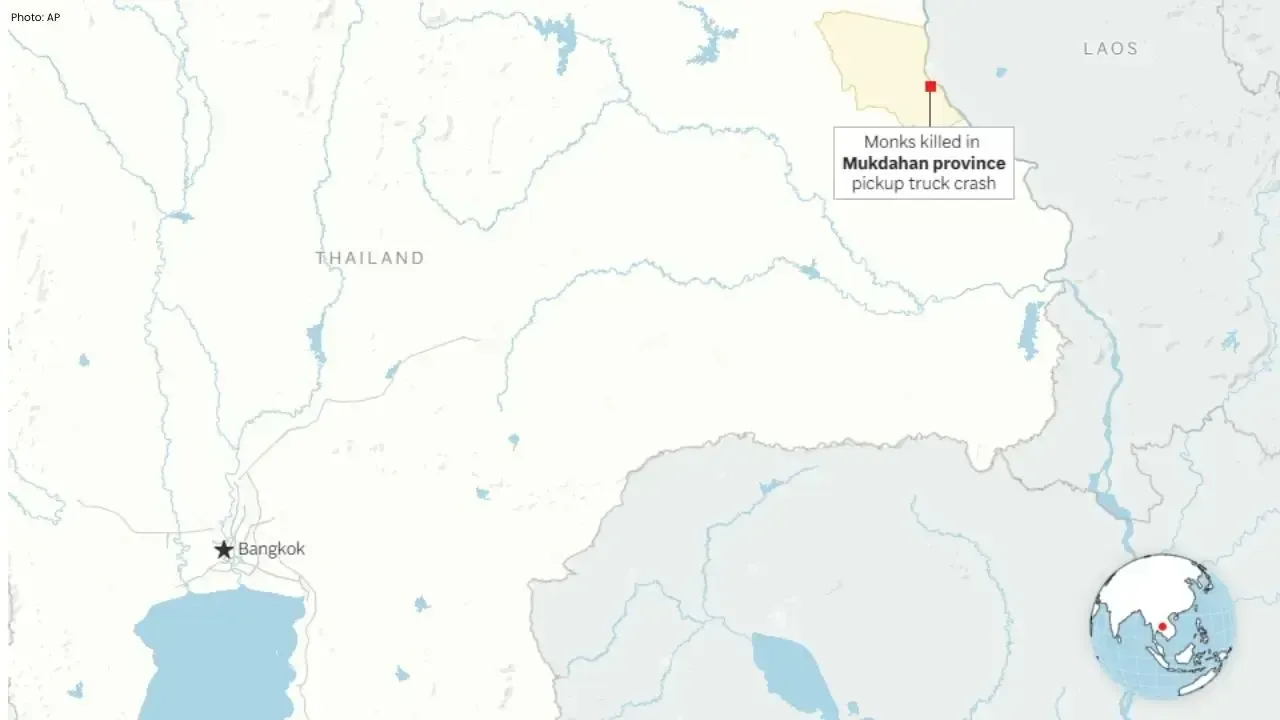
Nine Monks Killed in Thailand Pickup Truck Tragedy
An 11-year-old boy driving a pickup truck crashed into monks during a pilgrimage in northeastern Tha

Anwar Congratulates Xi on CPC's 105th Anniversary
Malaysia reaffirms strong ties with China as PM Anwar Ibrahim sends a congratulatory letter to Presi
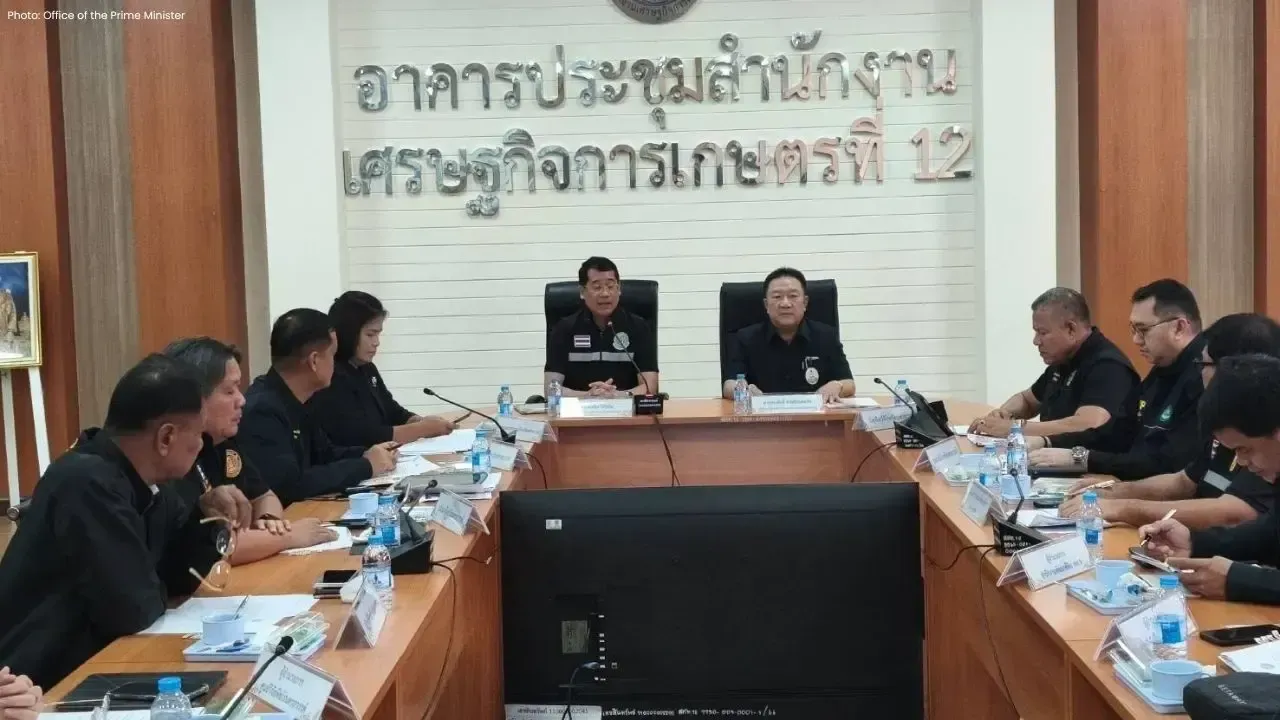
Thai Agriculture Team Reviews 2026 Farm Development Plans
Agriculture Ministry officials inspected livestock and organic rice projects in Nakhon Sawan to moni