You have not yet added any article to your bookmarks!
Join 10k+ people to get notified about new posts, news and tips.
Do not worry we don't spam!
Post by : Anis Farhan
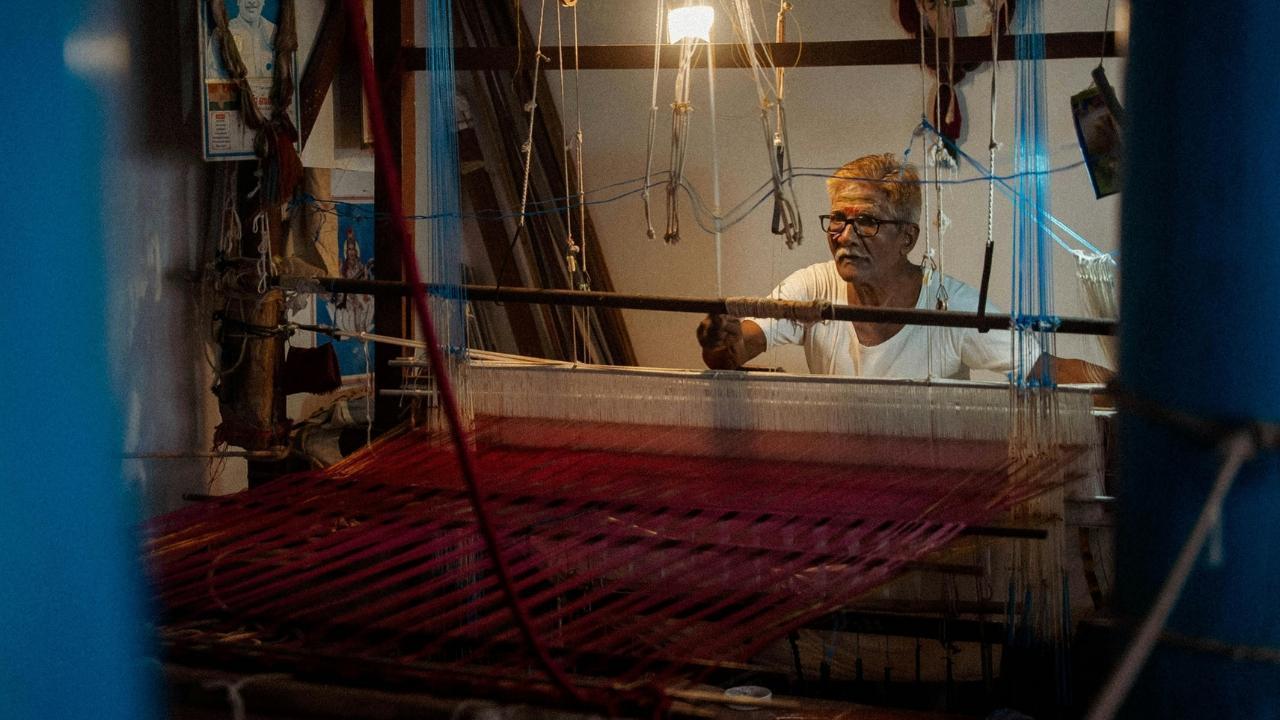
Southeast Asian textiles are more than just cloth. They are living archives—embodying rituals, histories, identities, and craft legacies passed down over centuries. Yet in the wake of modernization, many of these traditions faced decline. Now, a new generation—designers, artisans, and cultural custodians—is reviving them with passion and innovation.
Historically, weaving isn't just technical—it’s meaningful. In communities like the Iban in Borneo and villagers in Mae Chaem, Thailand, textiles marked life stages, rites of passage, and served ceremonial roles. But as younger generations gravitated toward urban life and mass-produced fabric flooded markets, these symbolic traditions risked fading.
Revival efforts began as community-led conservation and documentation projects. In Mae Chaem, local groups systematically collected traditional dye patterns, reintroduced natural dyes, and sparked renewed weaving demand for urban and tourist markets. Across the region, UNESCO and cultural institutions have also helped catalog and preserve crafts like jamdani in Bangladesh (now a GI‑protected textile) and songket in Indonesia, Malaysia, and Brunei .
Songket, with its shimmering metallic threads and heritage motifs, has regained status not only as ceremony wear but as modern fashion fabric—thanks to artisan collectives and luxury labels embracing age‑old technique in new forms .
In Bhutan and Meghalaya, communities are again weaving Eri silk—the “peace silk”—with plant-based dyes in fabrics that resonate for sustainability and heirloom quality . Meanwhile in Cambodia, the multifunctional krama scarf remains a national symbol, its gingham patterns now appreciated for embroidery, décor, and identity in creative circles .
That tradition meets innovation too: in India, dabu printing—a centuries‑old mud-resist technique—is being reimagined by designers like D’Art Studio and Aavaran, blending abstract motifs and unconventional palettes for global audiences, helping revive indigo‑based natural dye production .
Brands like DATU Philippines, led by Ryan Sy, curate ethnic-inspired jackets using textiles collected in Thailand, Laos, and Malaysia. They incorporate weaving traditions into metropolitan streetwear, bringing the fabric’s stories to younger, design-conscious consumers .
In the Philippines, designers such as Lenora Cabili of Filip + Inna and Mariton Villanueva of Himaya fuse Indigenous artistry—like community-based indigo dyeing and ancestral weaving—with functional, climate-adapted silhouettes. Their eco-conscious approach supports local tribal artisans while tapping global slow fashion markets .
These collaborations reflect an important model: heritage textiles gain relevance when paired with contemporary aesthetics, ensuring their economic viability and cultural resonance.
The revival isn’t solely aesthetic—it’s deeply ethical. Many artisans use natural dyes, local plant fibers, and eco-friendly methods passed through oral traditions and preserved by cultural programs . In Meghalaya, women hand‑dye Eri silk using turmeric, plant bark, and onion skins—practices that are both environmentally sound and culturally rooted .
Projects like SEAMEO SPAFA’s documentation of textile care and traditional preservation methods represent region-wide efforts to pass down both craft and context before knowledge vanishes .
This deeply intentional approach ties the fabrics to fair-trade models, enabling artisans to earn better wages, retain cultural control, and escape exploitative supply chains.
Textile revivals are driven not just by designers, but also by tourism and local pride. In Chiang Mai’s Kalm Village, for example, artisans share woven mats, block-printed sarongs, and textile archives with designers—creating an ecosystem that bridges rural craft and urban creativity .
In Vietnam and Indonesia, museums, cultural festivals, and boutique hotels showcasing local woven traditions draw interest back to endangered art forms. This fueled demand among young Hanoians and heritage seekers looking to re‑embrace ancestral aesthetics .
Still, keeping the revival sustainable poses challenges:
Scaling without diluting meaning: Mass replication risks commodifying sacred symbols or marginalizing artisan narratives.
Greenwashing: Consumers demand true origin stories—brands must be transparent about sourcing, dye methods, and cultural consent.
Generational continuity: Urban migration and mechanized industry threaten the next generation's interest in learning complex weaving patterns .
Modern tools are playing a supportive role—not replacing but amplifying tradition. AI and design software now assist artisans in exploring motif variations or cataloguing archives; for instance, generative models can propose new batik-inspired motifs for local craftspersons to hand-produce . Similarly, AI-assisted platforms are facilitating design co‑creation between traditional weavers and global brands, while preserving authenticity and economic equity .
This fusion of tech and textile is positioning Southeast Asian weaving for global relevance—while honoring local roots.
Cultural resilience: Textiles encode history. Revivals renew community identity, intergenerational knowledge, and connection to ritual.
Economic empowerment: Through fair-trade crafts, women weavers and rural communities gain sustainable income and visibility.
Environmental benefits: Use of natural dyes and hand‑loom textiles reduces chemical pollution and relies on renewable local materials.
Creative inspiration: Traditional motifs bring original aesthetic language to global fashion, interiors, and art.
This article is for informational and editorial purposes only. The textiles, artisans, designers, communities, and institutions mentioned are cited for illustration and analysis of broader trends. Coverage does not imply endorsement by Newsible Asia. Readers are encouraged to verify artisan claims, ethical sourcing, and product origins independently before purchasing.








Lamborghini Catches Fire on Singapore's ECP, Causing Heavy Traffic
A Lamborghini caught fire on Singapore's ECP, causing heavy traffic and bus delays. No injuries were

Bangkok Airport Duty-Free Area Flooded by Pipe Burst
A burst water pipe flooded the duty-free shopping area at Bangkok's Suvarnabhumi Airport on July 16,
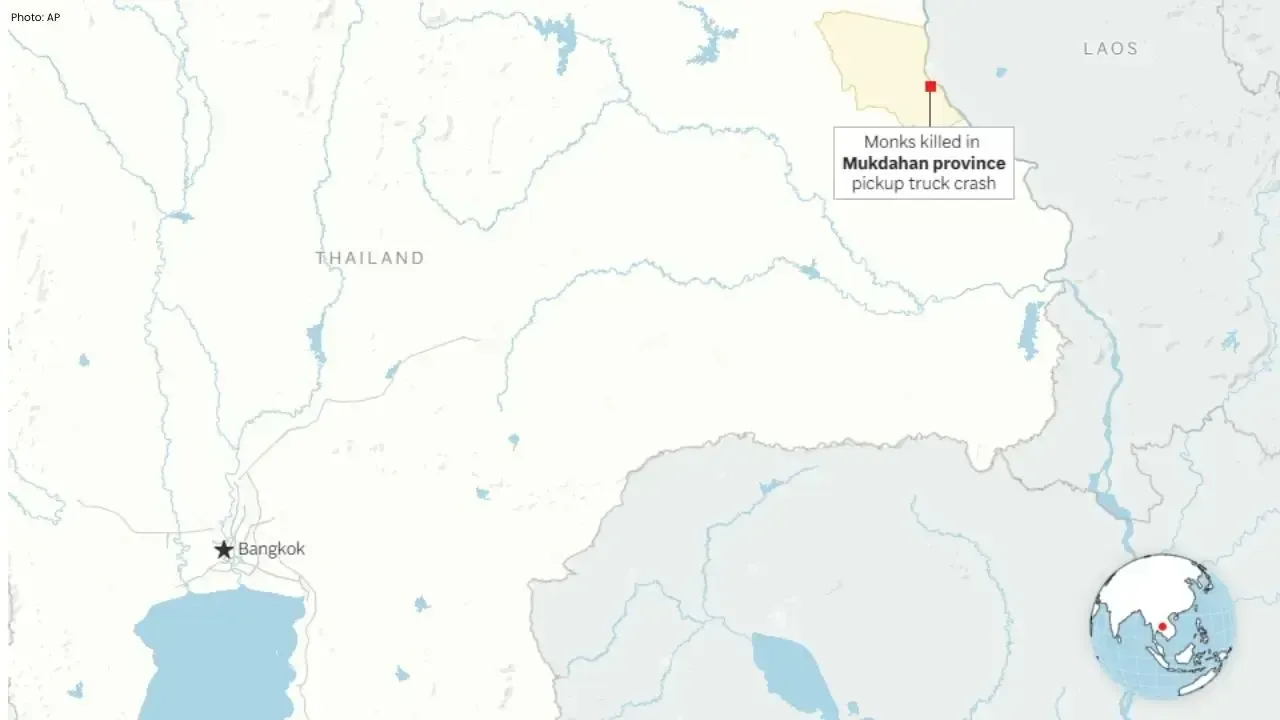
Nine Monks Killed in Thailand Pickup Truck Tragedy
An 11-year-old boy driving a pickup truck crashed into monks during a pilgrimage in northeastern Tha
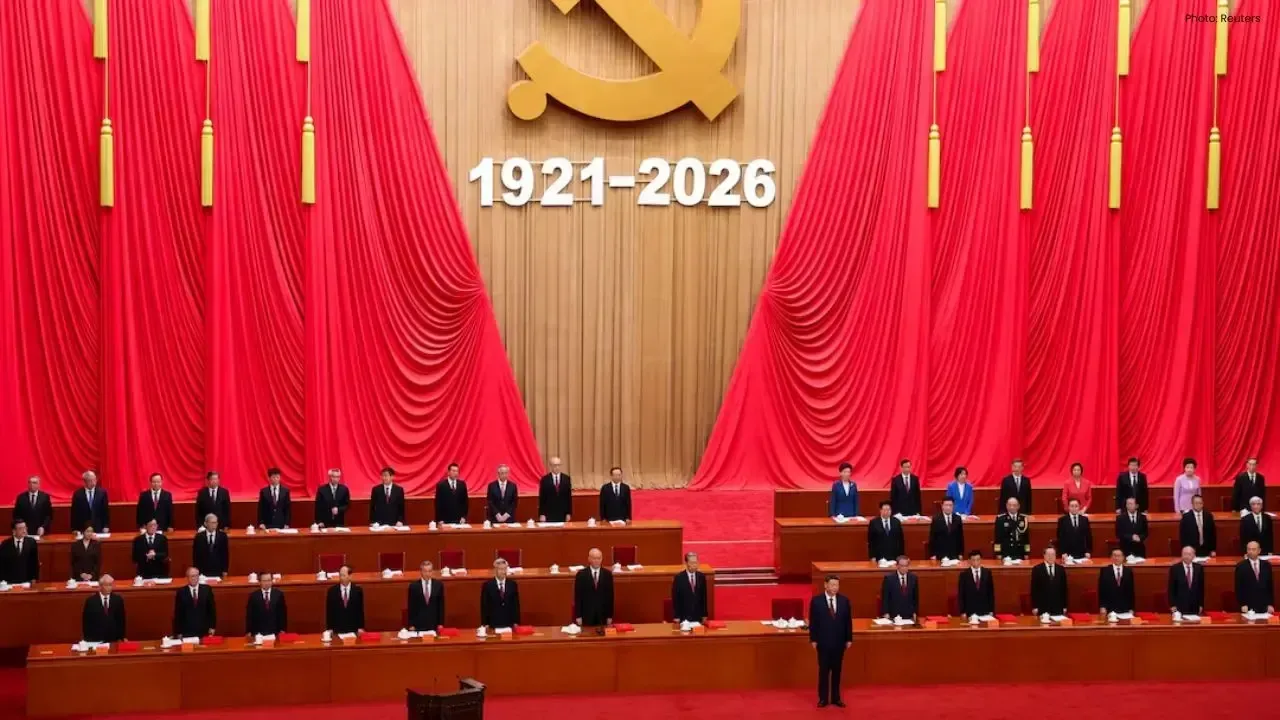
Anwar Congratulates Xi on CPC's 105th Anniversary
Malaysia reaffirms strong ties with China as PM Anwar Ibrahim sends a congratulatory letter to Presi
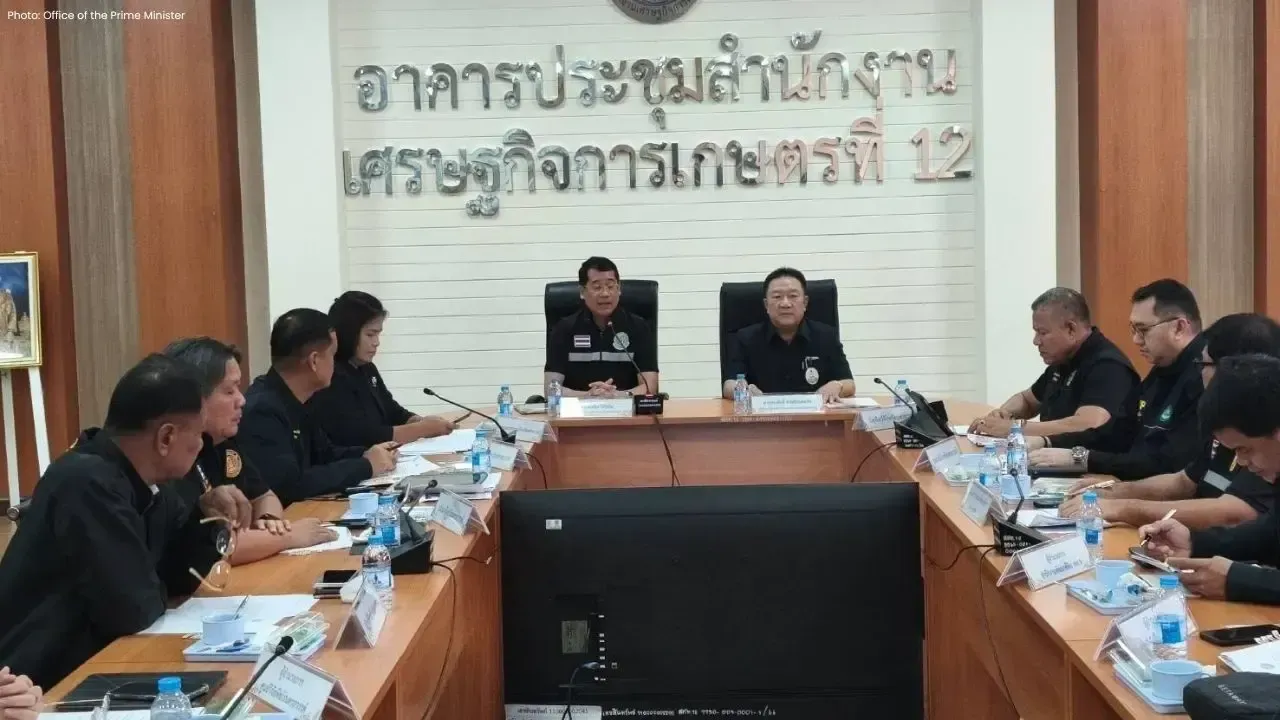
Thai Agriculture Team Reviews 2026 Farm Development Plans
Agriculture Ministry officials inspected livestock and organic rice projects in Nakhon Sawan to moni

Thailand, Canada Boost Ties in PM-Level Phone Talks
Thailand and Canada agreed to strengthen trade, security, OECD cooperation and ASEAN-Canada FTA talk