You have not yet added any article to your bookmarks!
Join 10k+ people to get notified about new posts, news and tips.
Do not worry we don't spam!
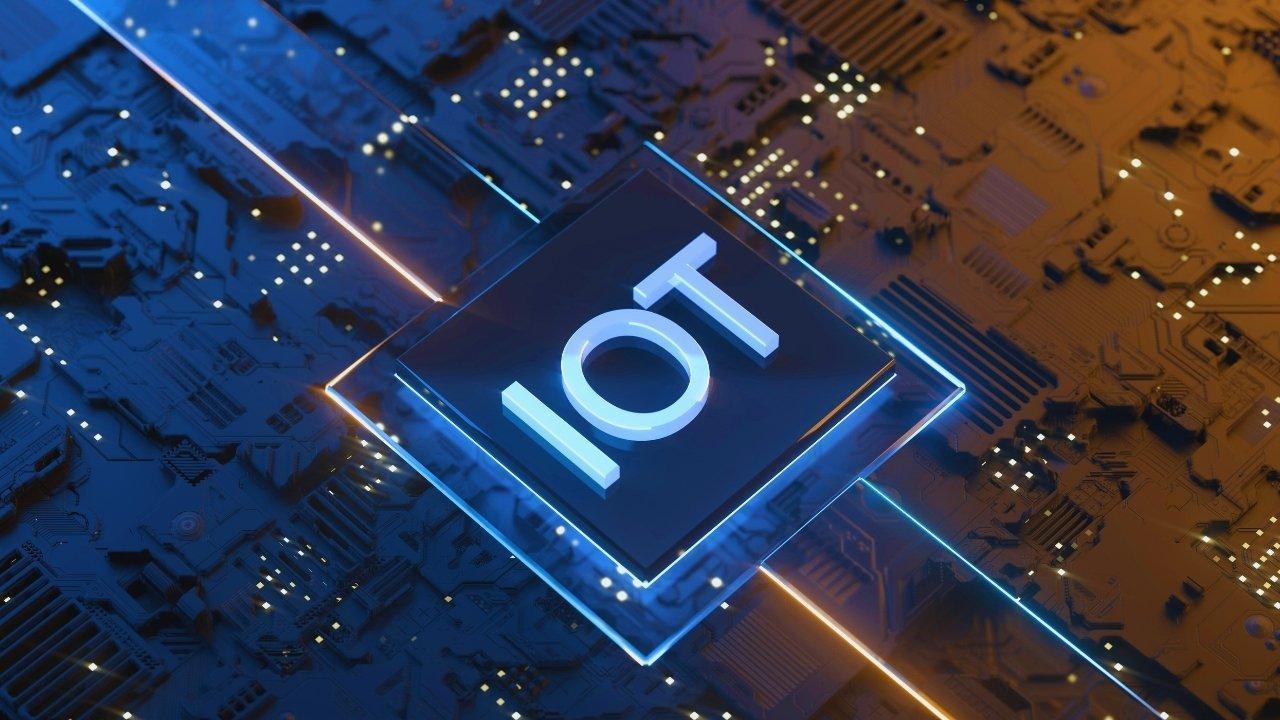
Post by : Anis Farhan
In today’s hyperconnected world, billions rely on the internet daily, yet large parts of the globe remain cut off from reliable access. Remote areas, from mountain villages to vast deserts and oceanic shipping lanes, face daunting challenges when it comes to establishing traditional connectivity. Fiber optics and cellular towers, though powerful, are costly and often impractical to deploy across harsh or sparsely populated regions.
This is where satellite technology steps in. The concept of using satellites to deliver IoT services is not new, but recent advancements in miniaturized satellites, lower launch costs, and improved bandwidth have made it a realistic solution. With satellites orbiting high above Earth, signals can bypass terrain barriers and cover even the most isolated places, making connectivity possible where ground-based systems fail.
Satellite Internet of Things (SIoT) focuses on creating networks where devices—sensors, trackers, and machines—communicate through satellite links. Unlike traditional internet access, which mainly connects people, SIoT is designed to connect devices directly, enabling industries like agriculture, mining, shipping, and disaster management to thrive even in remote environments.
Farmers in rural Africa could monitor soil health and rainfall with satellite-linked sensors. Fishermen in the Pacific could use IoT trackers to map fish migration and avoid overfishing. Truck drivers in remote deserts could rely on satellite IoT for navigation and logistics. These real-world applications highlight how SIoT is not merely about luxury—it’s about economic survival and growth.
For developing regions, SIoT could redefine opportunities. Entire communities that were once marginalized due to poor connectivity may leapfrog into the digital economy. Remote schools could access educational content, clinics could transmit patient data for remote diagnosis, and small businesses could trade across borders without needing to be in a metropolitan hub.
Moreover, by connecting devices rather than people first, satellite IoT helps industries flourish. This creates jobs, strengthens local economies, and lays the groundwork for broader internet adoption later. Instead of waiting decades for ground networks, SIoT allows immediate participation in the digital ecosystem.
Despite its promise, SIoT is not without challenges. Latency—the delay in signal transmission—remains a concern, especially with satellites in higher orbits. Although low-Earth orbit (LEO) constellations reduce this issue, they require large numbers of satellites, raising costs and environmental concerns.
Another hurdle is affordability. For many communities, even low-cost satellite devices and subscription fees may still be prohibitive. Energy availability is another factor, as IoT devices require consistent power in regions where electricity access is unreliable. Additionally, regulatory barriers in some countries complicate satellite spectrum use and device integration.
Ongoing technological innovations are gradually addressing these concerns. Companies are developing ultra-low-power IoT devices that can run for years on small batteries, making them suitable for off-grid areas. Partnerships between satellite operators and telecom providers are creating hybrid systems that blend terrestrial and satellite coverage, reducing costs.
Furthermore, the miniaturization of satellites and shared launch services have drastically lowered deployment expenses. As a result, private companies and governments alike are investing in constellations specifically tailored for IoT, signaling a future where global coverage becomes the norm.
One of the most critical applications of SIoT lies in disaster management. When earthquakes, floods, or hurricanes strike, traditional communication infrastructure is often destroyed, leaving communities isolated. With satellite IoT, rescue teams could deploy sensors to monitor aftershocks, track survivors, and manage logistics in real time.
Similarly, humanitarian organizations working in refugee camps or remote conflict zones could use SIoT to coordinate food distribution, healthcare, and security. This technology doesn’t just connect machines—it connects hope to places that need it most.
Satellite Internet of Things may still be in its early stages, but its trajectory is clear. As launch costs continue to fall and global collaborations grow, SIoT is poised to become the backbone of connectivity for underserved regions. While challenges of cost and accessibility remain, innovative partnerships and public-private initiatives will likely pave the way for widespread adoption.
In the coming decade, SIoT could bridge the digital divide in ways once thought impossible. Remote areas that were previously overlooked could emerge as active participants in the global economy, empowered by data and communication tools. In essence, satellites may finally help the world live up to the idea of true global connectivity.
This article is for informational purposes only and does not endorse or promote any specific company, technology, or service provider. Readers should consider local regulations, technological limitations, and practical applications before adopting satellite IoT solutions.








Jordan Burroughs Returns to Wrestling with 2028 Olympic Dream
Jordan Burroughs returns to wrestling with Real American Freestyle as the Olympic champion eyes a po

Lamborghini Catches Fire on Singapore's ECP, Causing Heavy Traffic
A Lamborghini caught fire on Singapore's ECP, causing heavy traffic and bus delays. No injuries were

Bangkok Airport Duty-Free Area Flooded by Pipe Burst
A burst water pipe flooded the duty-free shopping area at Bangkok's Suvarnabhumi Airport on July 16,

Nine Monks Killed in Thailand Pickup Truck Tragedy
An 11-year-old boy driving a pickup truck crashed into monks during a pilgrimage in northeastern Tha

Anwar Congratulates Xi on CPC's 105th Anniversary
Malaysia reaffirms strong ties with China as PM Anwar Ibrahim sends a congratulatory letter to Presi
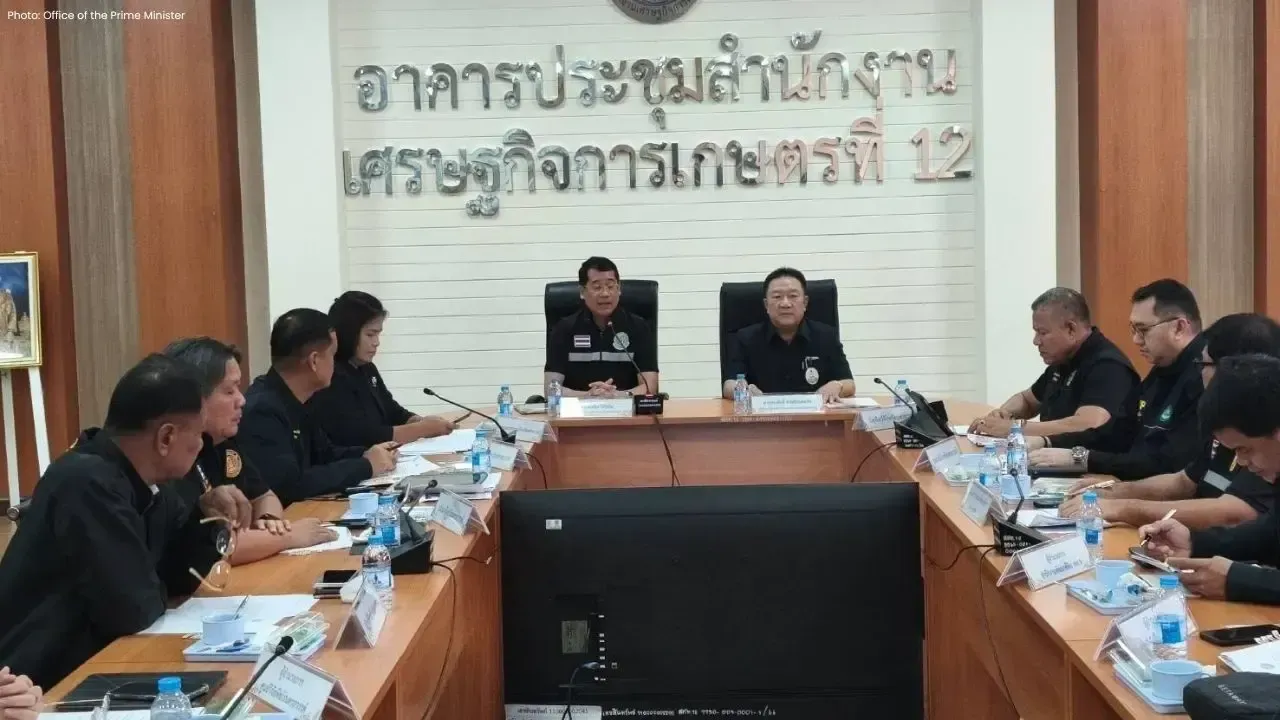
Thai Agriculture Team Reviews 2026 Farm Development Plans
Agriculture Ministry officials inspected livestock and organic rice projects in Nakhon Sawan to moni