You have not yet added any article to your bookmarks!
Join 10k+ people to get notified about new posts, news and tips.
Do not worry we don't spam!
Post by : Anis Farhan
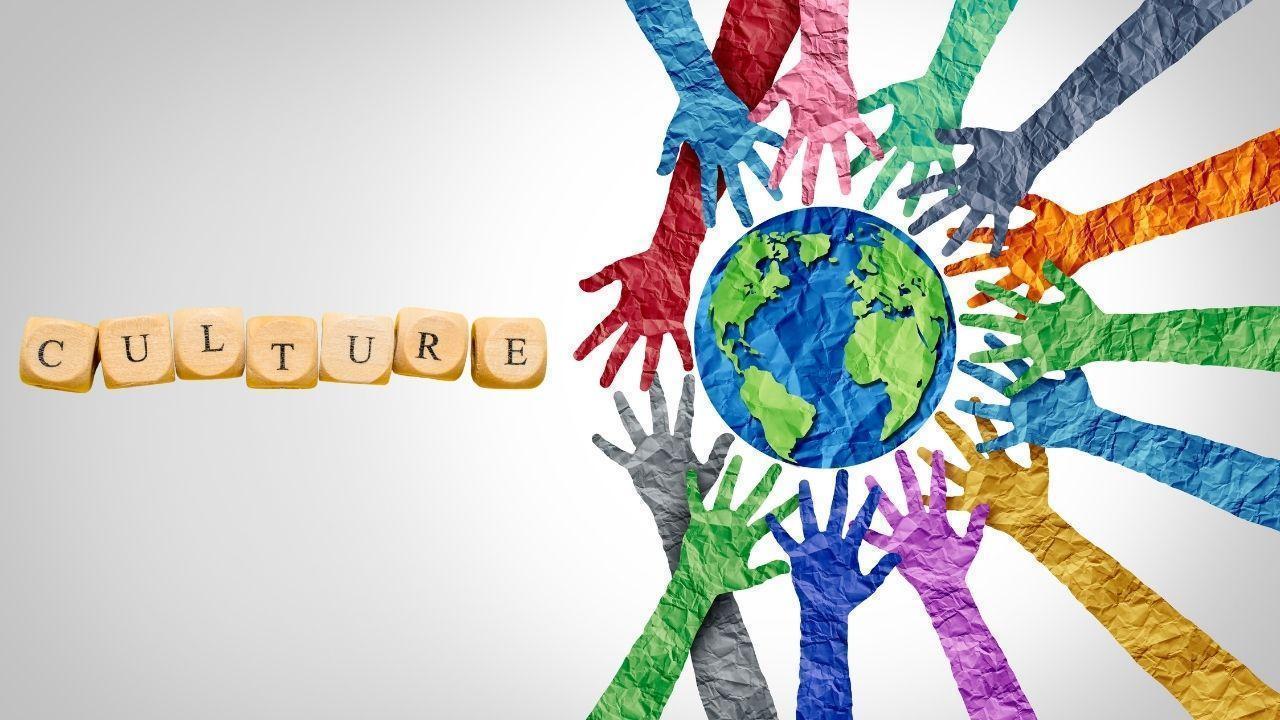
The 21st century has been marked by unprecedented connectivity. From instant communication to borderless trade, globalization has redefined how people live, work, and interact. Yet, as global culture spreads through digital platforms, streaming services, and social media, a parallel tension arises—how to preserve individual and collective identity.
Identity is deeply tied to language, religion, tradition, and heritage. But in a globalized context, local identities risk being overshadowed by dominant cultural forces, particularly those from powerful nations with strong media and technological influence. This struggle between global uniformity and cultural uniqueness has become a central theme of modern society.
Digitalization has amplified globalization. Platforms like TikTok, Instagram, and YouTube allow cultural trends to spread faster than ever before. A viral song, dance, or fashion trend can reach billions within days. While this fosters cross-cultural exchange, it also raises concerns of homogenization—where unique traditions are drowned out by global trends.
At the same time, digital platforms have empowered marginalized voices, enabling communities to showcase their identity on the world stage. Indigenous groups, regional artists, and grassroots movements now use digital tools to preserve their heritage and share it globally, creating a dual impact of both cultural dilution and preservation.
Despite the pull of globalization, there has been a noticeable pushback. Movements advocating for local languages, traditional attire, and indigenous knowledge are growing stronger. Governments have also stepped in with cultural preservation policies, promoting local cinema, literature, and art to balance global dominance.
For example, nations emphasize language preservation in schools, create cultural festivals, and invest in heritage tourism to ensure younger generations remain connected to their roots. This pushback is not just about nostalgia; it reflects a deeper human need for identity and belonging in a rapidly changing world.
Rather than a complete clash, what we often see today is synthesis. Cultures are blending to create hybrid identities that merge the global with the local. Fashion designers fuse traditional patterns with modern styles, musicians blend indigenous sounds with electronic beats, and cuisine evolves into fusion food reflecting cross-cultural influences.
For young generations, especially in cosmopolitan cities, hybrid identities have become the norm. They embrace global brands and digital lifestyles while still celebrating local customs. This balance reflects an adaptive strategy—accepting global changes while anchoring oneself in tradition.
On a broader scale, the defense of cultural identity has also fueled nationalism. Some countries adopt protectionist measures against what they see as cultural imperialism, limiting foreign films, media, or digital content in favor of domestic production. This trend reflects a political as well as cultural assertion—where protecting identity is equated with protecting sovereignty.
While such policies aim to defend tradition, they can also create cultural silos. The challenge lies in ensuring cultural protection without isolating citizens from the benefits of global exchange.
Ironically, the same digital technologies that threaten cultural uniqueness are also tools of preservation. Language translation software, digital archives, and virtual museums have made cultural heritage more accessible. Communities use social media to archive oral histories, revive nearly extinct languages, and celebrate traditional rituals in ways that reach global audiences.
Virtual reality and AI are also being used to simulate cultural experiences, allowing people worldwide to explore historical sites or participate in traditional ceremonies virtually. This dual role of technology—as both disruptor and preserver—illustrates the complexity of cultural evolution in a digitizing world.
Looking forward, cultural identity will likely continue to evolve as a negotiation between global forces and local traditions. The future is not about one side dominating the other but about coexistence. Hybrid cultures will expand, fueled by youth creativity and digital platforms, while heritage preservation efforts will intensify in response to fears of erasure.
In essence, the pushback and synthesis of culture in a globalized, digitized world highlight humanity’s adaptability. People will continue to innovate and express themselves in ways that honor tradition while embracing modernity.
This article provides an analytical perspective on globalization, culture, and digital transformation. It is intended for general informational purposes and does not represent cultural policy or advocacy.






Jordan Burroughs Returns to Wrestling with 2028 Olympic Dream
Jordan Burroughs returns to wrestling with Real American Freestyle as the Olympic champion eyes a po

Lamborghini Catches Fire on Singapore's ECP, Causing Heavy Traffic
A Lamborghini caught fire on Singapore's ECP, causing heavy traffic and bus delays. No injuries were

Bangkok Airport Duty-Free Area Flooded by Pipe Burst
A burst water pipe flooded the duty-free shopping area at Bangkok's Suvarnabhumi Airport on July 16,

Nine Monks Killed in Thailand Pickup Truck Tragedy
An 11-year-old boy driving a pickup truck crashed into monks during a pilgrimage in northeastern Tha

Anwar Congratulates Xi on CPC's 105th Anniversary
Malaysia reaffirms strong ties with China as PM Anwar Ibrahim sends a congratulatory letter to Presi
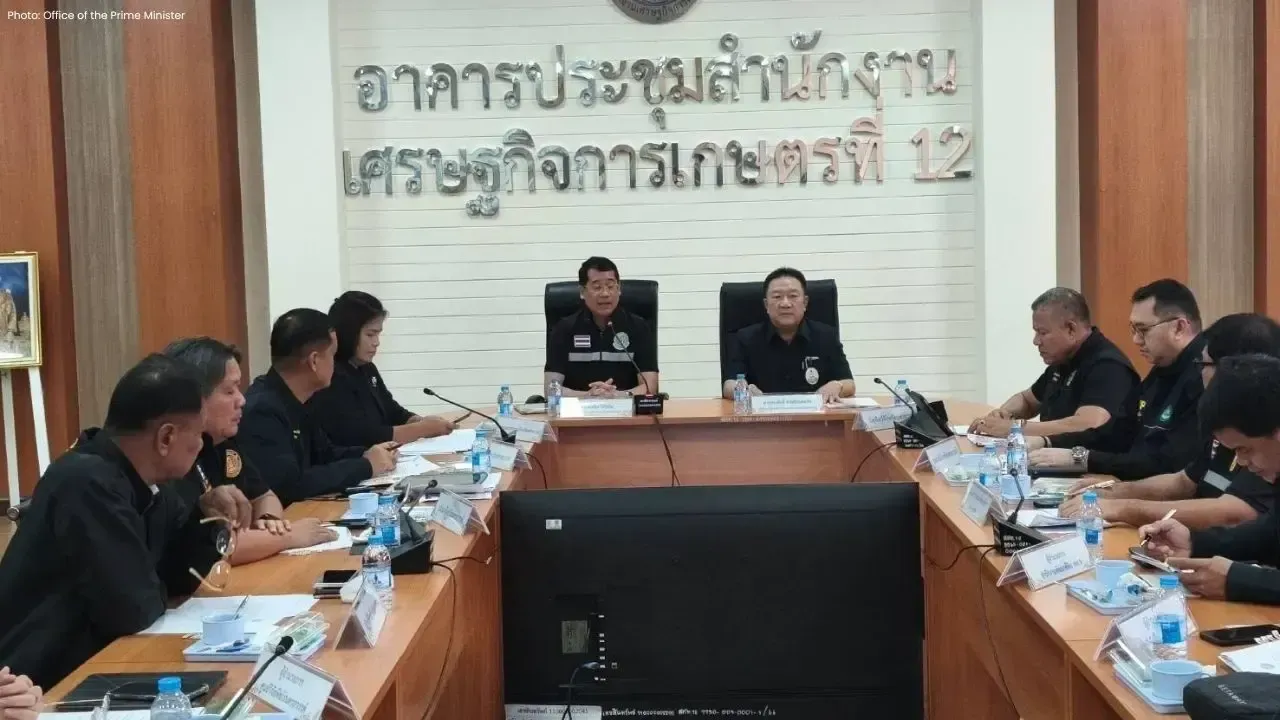
Thai Agriculture Team Reviews 2026 Farm Development Plans
Agriculture Ministry officials inspected livestock and organic rice projects in Nakhon Sawan to moni