You have not yet added any article to your bookmarks!
Join 10k+ people to get notified about new posts, news and tips.
Do not worry we don't spam!
Post by : Samjeet Ariff
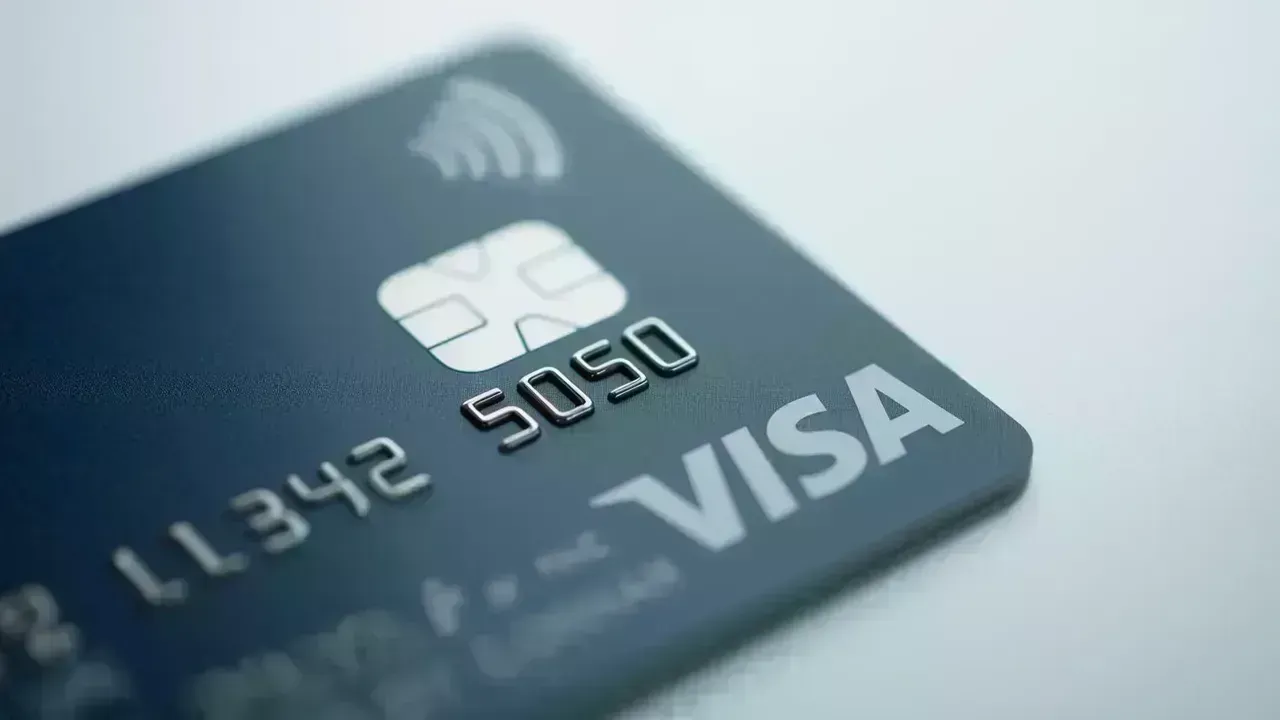
Credit cards have integrated themselves into the financial routines of salaried individuals, families, and young professionals. They bring convenience for various purchases, from groceries to online shopping, and often include rewards programs. However, as credit card adoption increases, it changes how people approach budgeting, saving, and overall financial health. While these cards can be beneficial, overreliance may lead to stress, spiraling debt, and diminished savings.
Initially intended for flexibility and emergencies, credit cards are now used for regular expenses. The allure of easy approvals, generous rewards, cashback incentives, and buy-now-pay-later schemes have driven their adoption among all income levels. Consequently, many households find their financial habits subtly shifting, often without awareness. This article highlights the implications of credit card use on personal finances, detailing both positive and negative aspects you should consider for a balanced financial life.
One major effect of credit card use is the transformation in consumers' attitudes toward spending.
Key behavioral shifts
• Increased willingness to spend
• Elevated average transaction sizes
• More frequent impulse buying
As payment delays make costs seem less pressing, users often overspend compared to cash or debit card transactions, leading to larger monthly expenditures than planned.
Credit cards provide an illusion of enhanced purchasing capacity.
Why this occurs
• Credit limits are perceived as available funds
• Expenses get deferred to the next statement
• Minimum payment options lessen immediate burdens
This misperception can lead to poor budgeting choices, prompting consumers to commit to expenditures exceeding their true income capabilities.
The way credit cards are utilized affects monthly budgeting.
Common budgeting challenges
• Trouble monitoring actual expenses
• Overlapping billing schedules
• Underestimating overall monthly outflows
With costs distributed across various cards and differing billing cycles, it becomes more difficult to maintain a clear understanding of your monthly spending.
Heavy reliance on credit cards can alter saving habits.
How it affects savings
• Decreased monthly surplus due to repayments
• Emergency funds often substituted with credit usage
• Savings often postponed due to outstanding amounts
Relying on credit for emergencies instead of building a liquid emergency fund can be risky, especially during extended financial downturns.
Interest charges represent one of the most detrimental aspects of improper credit card usage.
Key considerations
• Interest rates are considerably higher than those on other loans
• Interest accrues on unpaid balances
• Minimum payments extend the timeframe of repayment
Even minor unpaid amounts can escalate into significant financial burdens over time, affecting disposable income each month.
Making only the minimum payment directly influences monthly finances.
Why it can be problematic
• A large portion of payment goes toward interest
• Principal repayment occurs slowly
• Long-term repayment cycles increase financial commitments
This often traps consumers in a cycle where a portion of monthly income is constantly reserved for credit card payments.
Reward programs significantly influence consumer purchasing habits.
Behavioral consequences
• Spending driven by the desire to collect points
• Non-essential expenses justified by potential rewards
• Brand loyalty cultivated through offers instead of necessity
While rewards can be advantageous, the pursuit of benefits may inadvertently lead to a higher total expenditure than the rewards are actually worth.
Many consumers convert significant purchases into installment payments.
Benefits
• Lowers immediate financial strain
• Makes larger purchases feel manageable
Drawbacks
• Increases fixed monthly expenses
• Limits future budget flexibility
• Can promote lifestyle inflation
Multiple EMIs can discreetly occupy a large share of monthly income.
As income increases, credit card limits tend to expand.
Effects
• Gradual uptick in lifestyle expenditures
• More dining, shopping, and subscription services
• Diminished focus on saving
This inflation is insidious and often goes undetected until financial pressure mounts.
Regular credit card repayments can take a toll on mental well-being.
Stress factors
• Anxiety about meeting payment deadlines
• Worries regarding increasing balances
• Guilt linked to overspending
This financial stress can undermine productivity and negatively impact overall life quality.
Outstanding credit card debts can delay significant financial goals.
Goals affected
• Acquiring property
• Long-term investment planning
• Retirement saving
• Education funding
High-interest obligations restrict the ability to allocate finances toward future aspirations.
When managed appropriately, credit cards can enhance monthly financial management.
Advantages of responsible usage
• Better cash flow oversight
• Access to emergency resources
• Reward-based advantages
• Healthier credit history
Discipline and awareness are essential for maximizing these benefits.
Implementing simple habits can greatly reduce adverse effects.
Effective practices
• Clear monthly balance repayment
• Limit the number of active cards
• Monitor weekly spending
• Avoid unnecessary EMI plans
• Optimize reward usage
These tactics help ensure credit cards serve as financial instruments, not liabilities.
Credit card effects vary across income stability.
Unstable income: Excessive use can rapidly lead to financial pressure.
Stable income: Easier repayment management but complacency risks remain.
Higher income: Increased limits heighten overspending temptation.
Regardless of earnings, maintaining discipline remains crucial.
Debit cards foster immediate spending awareness, while credit cards delay financial consequences.
Critical distinction
• Debit cards limit spending to what is available
• Credit cards allow deferral of income dependency
A harmonious balance of both helps in managing finances effectively.
Certain patterns may denote problematic utilization.
Warning signs
• Regularly paying only the minimum
• Using credit cards for necessary purchases
• Frequently reaching card limits
• Borrowing to offset credit card bills
Identifying these alarm signals early can avert deeper financial woes.
A well-structured approach can reinforce credit cards' support of financial aims.
Healthy strategy
• One primary card for regulated usage
• Commitment to full repayment monthly
• Separate savings for emergencies
• Consistent review of statements
This method ensures predictable financial management and alleviates stress.
Credit cards are not inherently harmful; lack of understanding and planning leads to financial strain. Recognizing their influence on monthly finances empowers individuals to make informed, proactive choices rather than reactive ones.
The way we utilize credit cards profoundly affects our monthly financial dynamics, influencing spending patterns, savings habits, and levels of financial stress. While these cards provide benefits and flexibility, unregulated use can spiral into overspending, debt cycles, and compromised financial security. By practicing responsible management, consistently repaying balances, and aligning card use with personal goals, individuals can harness their advantages without jeopardizing their financial health. Cultivating awareness, discipline, and regular evaluations are essential to ensuring credit cards are tools for financial management rather than burdens.
This article is meant for informational purposes only and does not serve as financial advice. Financial circumstances are unique to each individual; readers should evaluate their income, expenses, and risk tolerance or seek guidance from a financial expert before making credit-related choices.







Jordan Burroughs Returns to Wrestling with 2028 Olympic Dream
Jordan Burroughs returns to wrestling with Real American Freestyle as the Olympic champion eyes a po

Lamborghini Catches Fire on Singapore's ECP, Causing Heavy Traffic
A Lamborghini caught fire on Singapore's ECP, causing heavy traffic and bus delays. No injuries were

Bangkok Airport Duty-Free Area Flooded by Pipe Burst
A burst water pipe flooded the duty-free shopping area at Bangkok's Suvarnabhumi Airport on July 16,

Nine Monks Killed in Thailand Pickup Truck Tragedy
An 11-year-old boy driving a pickup truck crashed into monks during a pilgrimage in northeastern Tha
Anwar Congratulates Xi on CPC's 105th Anniversary
Malaysia reaffirms strong ties with China as PM Anwar Ibrahim sends a congratulatory letter to Presi

Thai Agriculture Team Reviews 2026 Farm Development Plans
Agriculture Ministry officials inspected livestock and organic rice projects in Nakhon Sawan to moni