You have not yet added any article to your bookmarks!
Join 10k+ people to get notified about new posts, news and tips.
Do not worry we don't spam!
Post by : Laxmi Verma
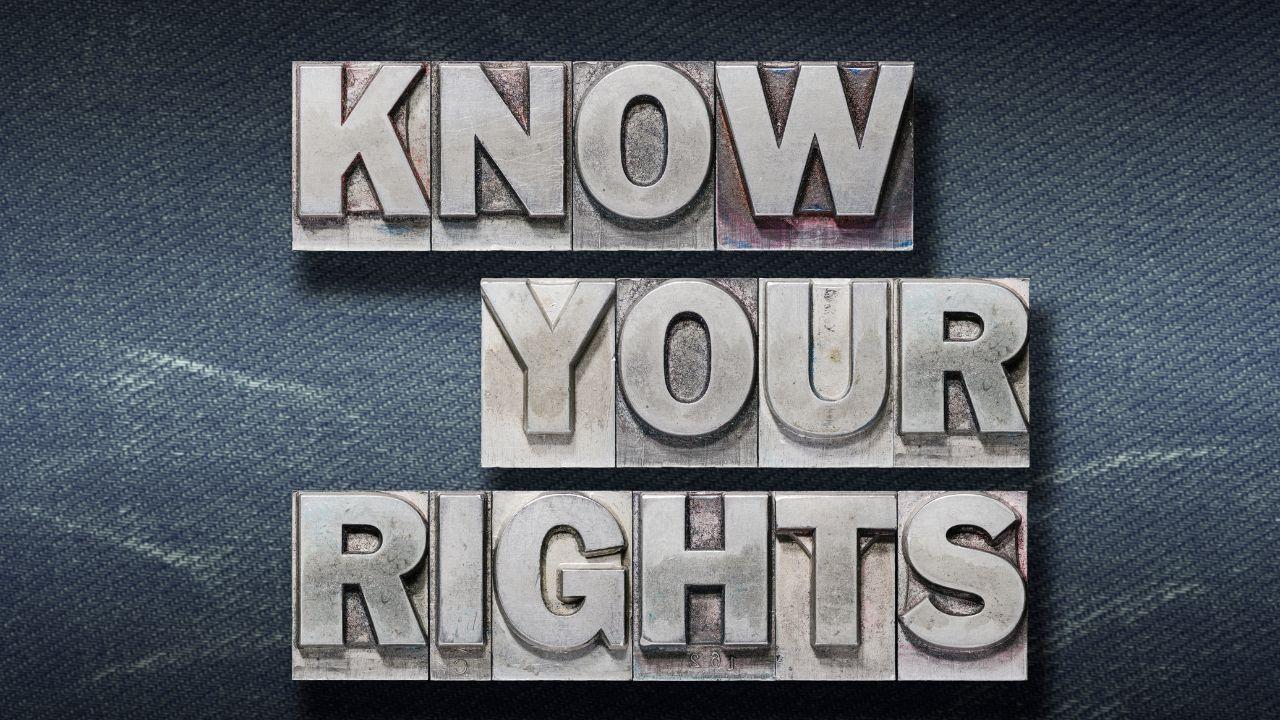
Education is a fundamental human right, critical for personal growth, societal development, and global progress. But this right, like many others, was not always guaranteed or universally accessible. Understanding The History and Evolution of Education Rights Globally helps us appreciate the struggles and achievements that have shaped education systems and policies worldwide.
From ancient civilizations to modern international agreements, the journey toward ensuring education rights has been long and complex. This article explores key moments, movements, and milestones that have defined education rights globally and highlights the challenges still faced today.
The concept of education dates back thousands of years, with early forms evident in ancient Egypt, Mesopotamia, China, and Greece. However, access to education was often limited to privileged classes such as royalty, priests, or wealthy males. For the majority, especially women and marginalized groups, formal education remained out of reach.
In Ancient Greece, philosophers like Socrates, Plato, and Aristotle emphasized the importance of learning and knowledge, laying early foundations for educational thought. Despite these ideals, access remained unequal, often based on social status.
During the Middle Ages, education was mostly controlled by religious institutions, especially the Church in Europe. Monasteries and cathedral schools preserved knowledge and educated clergy, but common people had limited educational opportunities.
The Renaissance sparked a revival in learning, with a renewed focus on arts, science, and humanism. Universities began to form, opening education to a wider, though still limited, audience. Yet, education rights remained far from universal, with significant disparities across gender, class, and geography.
The Enlightenment of the 17th and 18th centuries brought new ideas about equality, individual rights, and the role of education in society. Thinkers such as John Locke and Jean-Jacques Rousseau argued that education was essential for citizenship and personal freedom.
This period marked the beginning of advocacy for more widespread education, including public schooling funded by the state. The idea that education should be accessible to all children regardless of background slowly gained traction in Europe and North America.
By the 19th century, many countries began establishing compulsory education laws. Prussia, in particular, pioneered mandatory schooling in the early 1800s, influencing educational reforms worldwide.
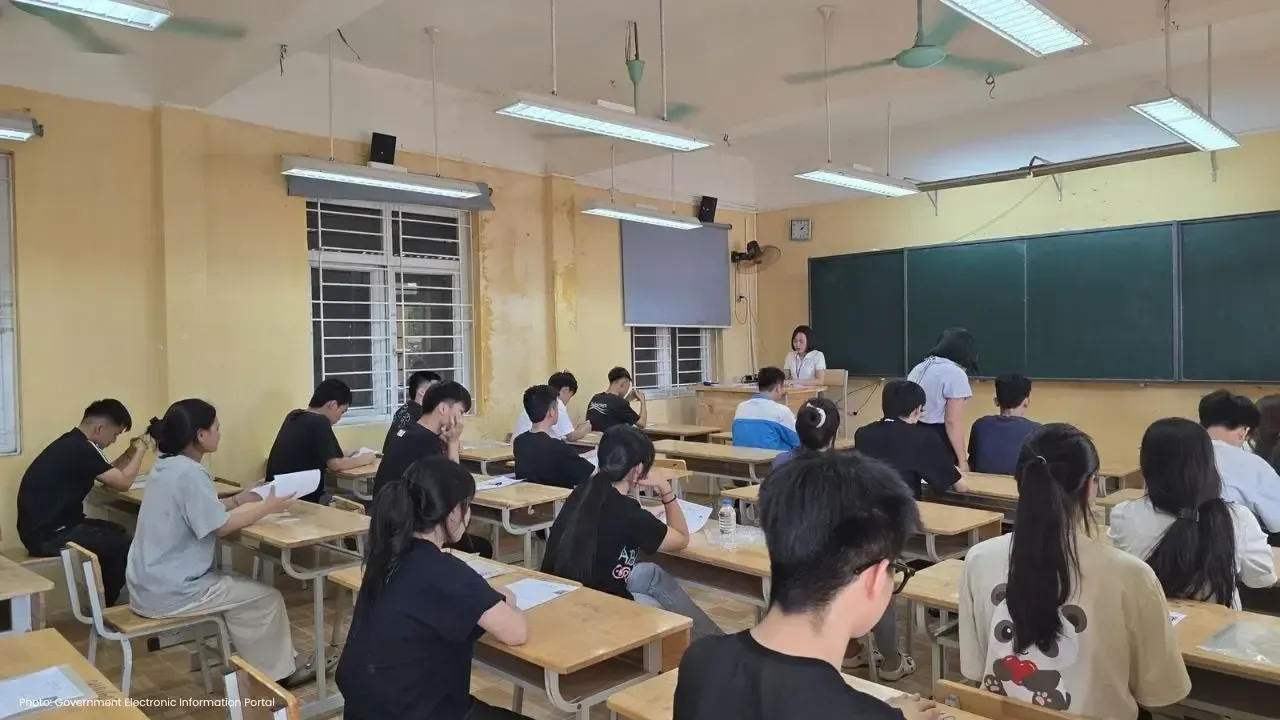
Compulsory education aimed to provide basic literacy and numeracy skills to all children and foster social cohesion. However, disparities persisted, especially for girls, children from rural areas, and minority groups. Education rights were still evolving and far from universal.
The devastation of World War II highlighted the urgent need for human rights protections, including education. In 1948, the Universal Declaration of Human Rights (UDHR) formally recognized education as a fundamental right in Article 26, stating everyone has the right to free, compulsory elementary education.
Following the UDHR, other key international agreements, such as the 1960 UNESCO Convention against Discrimination in Education and the 1989 United Nations Convention on the Rights of the Child (CRC), reinforced the global commitment to education rights.
Today, billions of children attend school worldwide, thanks to decades of advocacy and policy reforms. The Millennium Development Goals (MDGs) and Sustainable Development Goals (SDGs) have further emphasized the importance of universal primary education and gender equality.
However, challenges remain:
Global organizations like UNESCO, UNICEF, and countless NGOs continue to work toward eliminating barriers and promoting education rights universally.
In recent years, digital technology has become a powerful tool for expanding education access. Online learning platforms, mobile apps, and virtual classrooms have reached remote and underserved communities, especially during the COVID-19 pandemic.
While technology opens new doors, it also raises questions about the "digital divide"—the gap between those with access to technology and those without. Ensuring equitable access to these resources is the next frontier in the evolution of education rights.
This article is intended for informational purposes only and reflects the current understanding of education rights based on historical records and international agreements. Laws and policies regarding education rights may vary by country and change over time. Readers are encouraged to consult official sources and legal experts for specific guidance related to education rights in their region.




Lamborghini Catches Fire on Singapore's ECP, Causing Heavy Traffic
A Lamborghini caught fire on Singapore's ECP, causing heavy traffic and bus delays. No injuries were

Bangkok Airport Duty-Free Area Flooded by Pipe Burst
A burst water pipe flooded the duty-free shopping area at Bangkok's Suvarnabhumi Airport on July 16,

Nine Monks Killed in Thailand Pickup Truck Tragedy
An 11-year-old boy driving a pickup truck crashed into monks during a pilgrimage in northeastern Tha

Anwar Congratulates Xi on CPC's 105th Anniversary
Malaysia reaffirms strong ties with China as PM Anwar Ibrahim sends a congratulatory letter to Presi
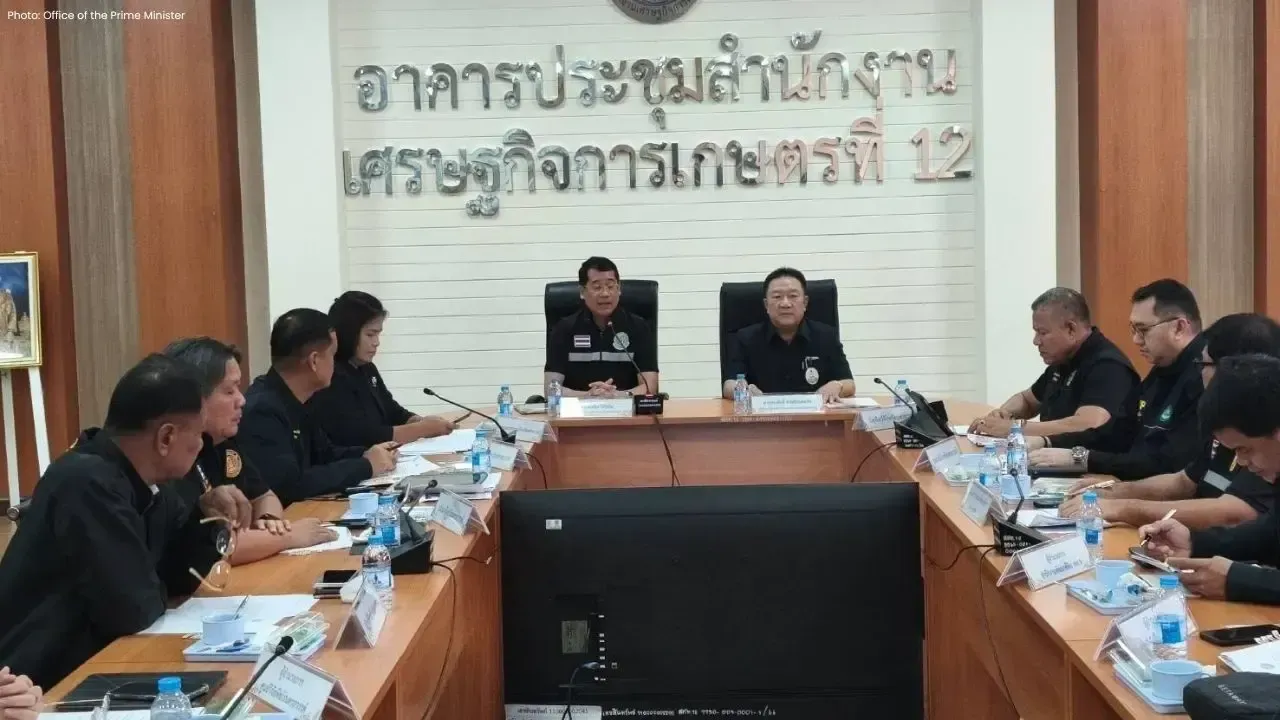
Thai Agriculture Team Reviews 2026 Farm Development Plans
Agriculture Ministry officials inspected livestock and organic rice projects in Nakhon Sawan to moni
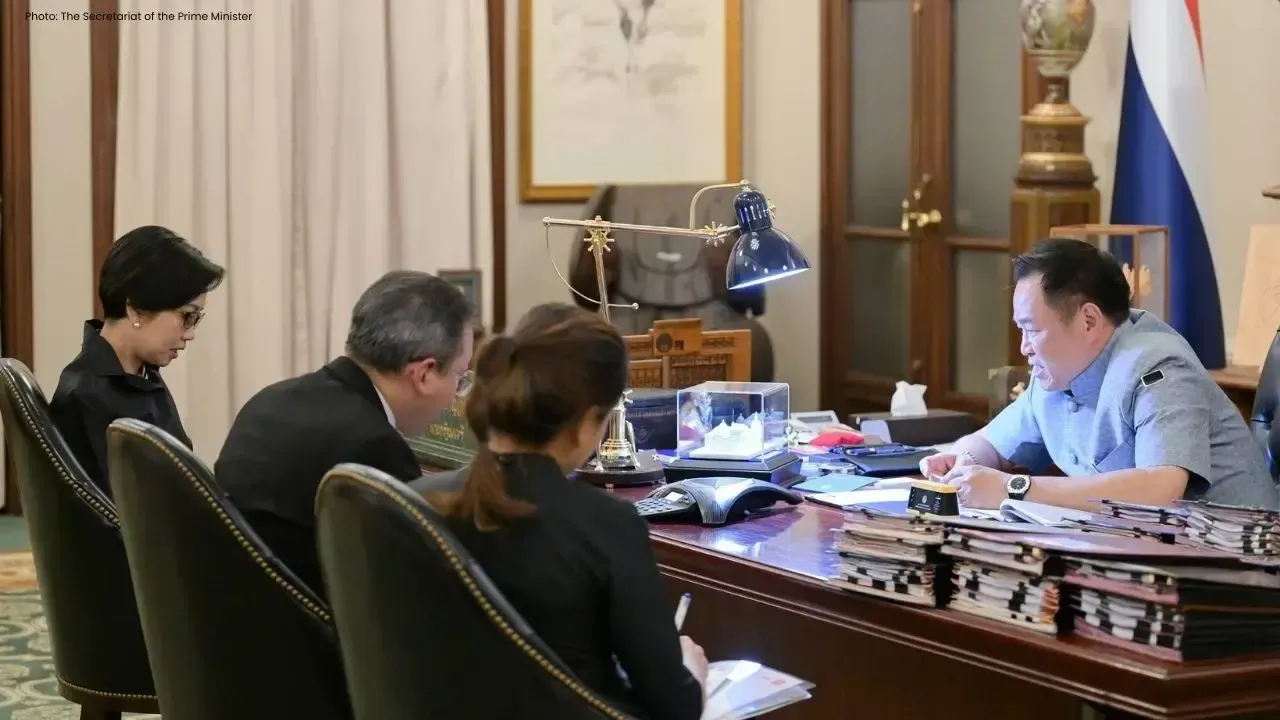
Thailand, Canada Boost Ties in PM-Level Phone Talks
Thailand and Canada agreed to strengthen trade, security, OECD cooperation and ASEAN-Canada FTA talk