You have not yet added any article to your bookmarks!
Join 10k+ people to get notified about new posts, news and tips.
Do not worry we don't spam!

Post by : Mikael Ariff
A few years back, Korean pop music was primarily enjoyed within South Korea and nearby regions. Today, K-Pop artists fill stadiums worldwide, dominate international music charts, and boast fans in nearly every corner of the globe. Beyond popularity, K-Pop has transformed the dynamics of the global music landscape.
This remarkable achievement stems from meticulous planning, dedication, innovative ideas, and an enduring connection with fans. K-Pop has challenged long-standing norms dictated by Western music markets, illustrating that there are alternative paths to success.
Initially, K-Pop emerged as a blend of various musical styles, including pop, hip-hop, R&B, and electronic beats. Its appeal was primarily localized in South Korea and select Asian nations. Rather than imitating Western music trends, Korean entertainment companies prioritized the development of a distinct musical identity.
They emphasized high-quality songwriting, engaging narratives, electrifying performances, and striking visuals. Gradually, K-Pop resonated with diverse cultures, proving that music doesn't need to be in English to create a global impact.
One significant shift initiated by K-Pop is its rigorous training regimen. Whereas artists in many countries are quickly discovered and thrust into the limelight, K-Pop trainees typically undergo years of preparation prior to their debut.
These budding stars train rigorously in singing, dancing, fitness, stage presence, language skills, and media interaction. This extensive preparation equips them to confidently handle major performances right from the outset. Due to this success, music labels worldwide are increasingly prioritizing artist training and long-term growth.
Before K-Pop ascended to global heights, music promotion primarily centered around audio. K-Pop revolutionized this by placing equal importance on visuals. High-quality music videos, cohesive themes, distinct fashion, and synchronized dance routines became the norm.
Each new release is perceived as a complete experience, transcending mere audio. This shift has heightened expectations across the music industry, compelling many artists outside K-Pop to also emphasize visuals, branding, and narrative.
K-Pop has transformed the relationship between artists and fans. Unlike previous paradigms where the two remained distant, K-Pop stars engage with fans via live streams, social media interactions, fan events, and exclusive behind-the-scenes content.
Fans now play an active role; they help promote tracks, engage in streaming initiatives, vote in online surveys, and even support philanthropic efforts in their favorite artists’ names. This evolution illustrates that robust fan communities can overshadow traditional advertising methods.
K-Pop pioneers effectively utilized online platforms early in their careers. Through video-sharing sites and social media, they captured global audiences without reliance on radio airplay or foreign record labels.
This transition redefined power structures; music success is no longer exclusive to radio spins or award recognition. Global audiences now significantly influence which songs and artists gain popularity.
Previously, cross-border collaborations were rare. K-Pop has played a crucial role in changing this narrative. Korean artists consistently collaborate with producers, songwriters, and performers from all over the globe.
These partnerships lead to innovative sounds and new audience engagement. Today, international collaborations are commonplace, with music companies actively seeking talent beyond their own countries.
A critical lesson from K-Pop is that global success does not hinge solely on English lyrics. While most K-Pop songs remain in Korean, fans worldwide actively sing along and feel a connection.
This illustrates that emotion, performance, and storytelling transcend language. As a result, the global music industry is increasingly receptive to songs in various languages.
K-Pop has also become synonymous with a robust work ethic. Extensive rehearsal hours, teamwork, and a commitment to perpetual growth characterize the culture. While this methodology has faced criticism for being demanding, it has elevated standards for preparation and professionalism.
Globally, many artists and labels now prioritize discipline, practice, and collaborative efforts as a direct result of K-Pop’s influence.
Historically, music success was predominantly gauged by album sales and radio performance. K-Pop has broadened this perspective. Today, metrics such as online views, fan interaction, global tours, merchandise revenues, and social media influence also hold substantial weight.
This expanded definition of success is revolutionizing how the music industry strategizes artist careers and evaluates impact.
K-Pop's international ascent has transcended merely creating popular artists. It has redesigned the music industry's foundational norms—from the methods of artist training and promotion to fan engagement and success metrics.
K-Pop illustrates that music mastery is not confined to one nation or language; it flourishes through creativity, connection, and community. As the music industry evolves, the K-Pop phenomenon will undoubtedly continue to influence its trajectory.
This article is designed for general informational and cultural understanding. It draws on widely acknowledged music industry trends, public data, and overarching insights, all of which may evolve as the music landscape progresses.
The purpose of this piece is not to endorse, criticize, or favor any particular music genre, artist, company, or industry approach. The views expressed serve to illuminate cultural and industry shifts rather than professional counsel. Readers’ interpretations, opinions, and experiences may vary based on individual preferences, cultural context, and exposure to the music field.









Jordan Burroughs Returns to Wrestling with 2028 Olympic Dream
Jordan Burroughs returns to wrestling with Real American Freestyle as the Olympic champion eyes a po

Lamborghini Catches Fire on Singapore's ECP, Causing Heavy Traffic
A Lamborghini caught fire on Singapore's ECP, causing heavy traffic and bus delays. No injuries were

Bangkok Airport Duty-Free Area Flooded by Pipe Burst
A burst water pipe flooded the duty-free shopping area at Bangkok's Suvarnabhumi Airport on July 16,

Nine Monks Killed in Thailand Pickup Truck Tragedy
An 11-year-old boy driving a pickup truck crashed into monks during a pilgrimage in northeastern Tha
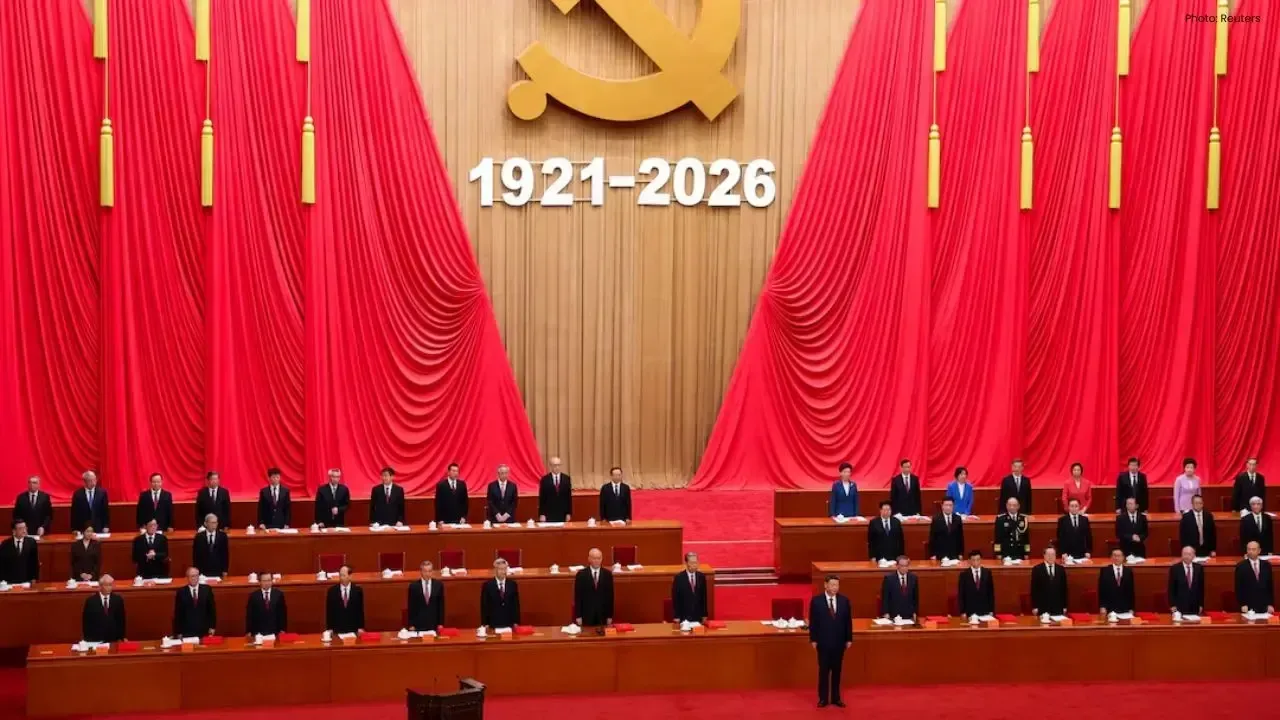
Anwar Congratulates Xi on CPC's 105th Anniversary
Malaysia reaffirms strong ties with China as PM Anwar Ibrahim sends a congratulatory letter to Presi

Thai Agriculture Team Reviews 2026 Farm Development Plans
Agriculture Ministry officials inspected livestock and organic rice projects in Nakhon Sawan to moni