You have not yet added any article to your bookmarks!
Join 10k+ people to get notified about new posts, news and tips.
Do not worry we don't spam!
Post by : Laxmi Verma
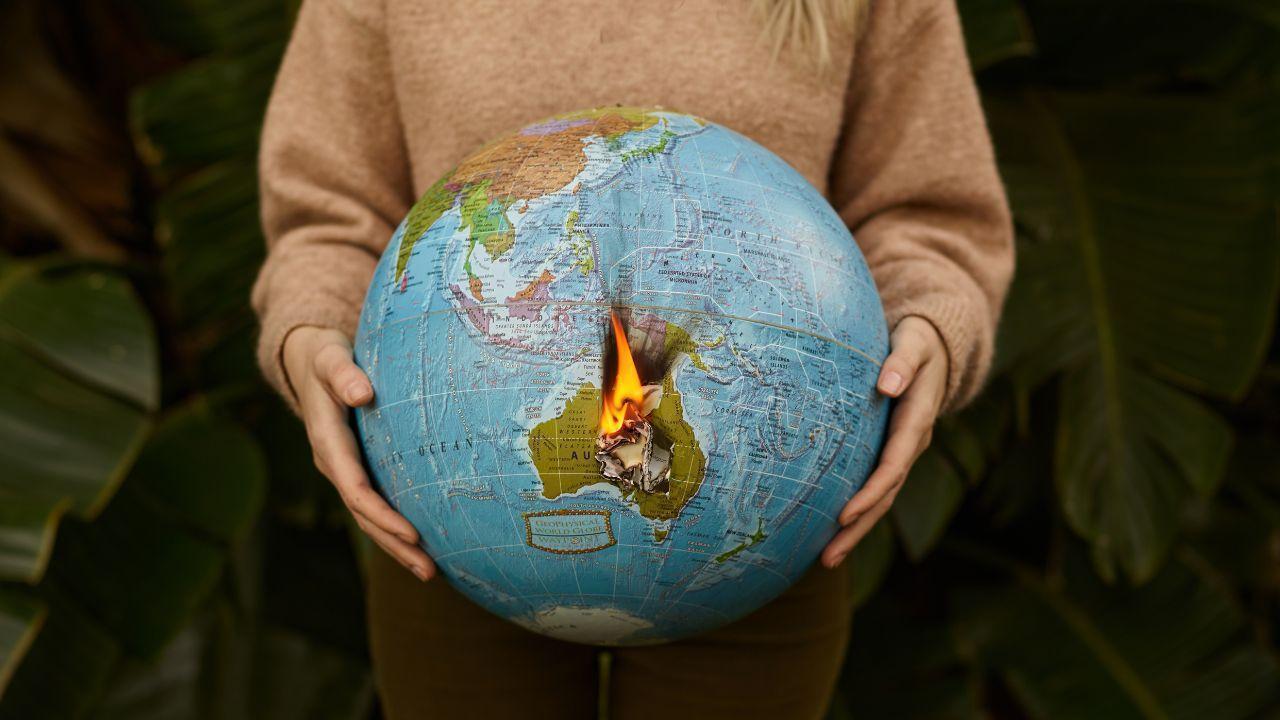
When you hear the phrase “climate crisis,” your mind probably jumps to melting ice caps, record-breaking heatwaves, or devastating wildfires. These dramatic events dominate headlines and social media feeds—and rightly so. But there’s another side to climate change, one that’s quieter, less visible, and yet equally dangerous. The Climate Crisis No One Is Talking About is unfolding in real time, and it threatens our ecosystems, economies, and lives in ways we’re only beginning to understand.
While extreme weather events grab global attention, subtle and systemic climate impacts often go unnoticed. Things like soil degradation, ocean acidification, and biodiversity loss may not seem dramatic, but they’re fundamentally reshaping our world.
For instance, soil degradation affects nearly 33% of the Earth's land surface and jeopardizes food security for billions. Fertile soil is being lost at an alarming rate due to unsustainable farming, deforestation, and rising temperatures. This isn’t just a problem for farmers—it’s a threat to global food chains and economic stability.
Similarly, ocean acidification—caused by the absorption of excess atmospheric CO₂—is silently killing marine ecosystems. Coral reefs, which support 25% of all marine life, are bleaching and dying at unprecedented rates. Once gone, entire food systems and coastal economies may collapse.
Another aspect of The Climate Crisis No One Is Talking About is climate-driven migration. Rising sea levels, prolonged droughts, and desertification are forcing millions to abandon their homes. According to the World Bank, by 2050, over 216 million people could become climate migrants—most of them from the Global South.
Unlike sudden refugee crises caused by war or political unrest, climate migration is gradual and often unacknowledged. People move quietly, from rural to urban areas or across borders, without international recognition or legal protection. This silent exodus places enormous pressure on cities, infrastructure, and social systems—and it’s barely in the news.
As temperatures rise and air quality declines, the climate crisis is becoming a public health emergency. Respiratory illnesses from pollution, the spread of vector-borne diseases like malaria and dengue, and the mental toll of living in unstable environments are all increasing.
Children, the elderly, and low-income communities are especially vulnerable. Yet, most healthcare systems are ill-prepared to handle these climate-related health challenges. The connection between health and climate remains severely underreported, making it a crucial piece of The Climate Crisis No One Is Talking About.
Indigenous communities have long acted as stewards of the Earth, using sustainable practices passed down through generations. However, climate change, paired with aggressive industrial development, is displacing these communities and eroding their traditional knowledge.
When indigenous lands are destroyed, we don’t just lose biodiversity—we lose centuries of ecological wisdom. This cultural loss is irreversible, and yet it barely registers in mainstream climate narratives.
Another underreported dimension of the climate crisis is environmental racism—the idea that marginalized communities often bear the brunt of environmental degradation.
In many countries, polluting industries are disproportionately located near low-income neighborhoods or communities of color. These populations suffer higher rates of illness, reduced access to clean water, and increased exposure to toxic substances—all while having the least influence in policy decisions.
Ignoring this systemic inequality is ignoring The Climate Crisis No One Is Talking About.
So why aren’t these issues front and center? Media outlets often prioritize dramatic visuals and easily digestible stories. A wildfire is easier to report than slow-moving changes like permafrost thaw or disappearing pollinators. But just because these stories lack spectacle doesn’t mean they lack significance.
The lack of media attention also leads to a lack of political action. If these issues aren’t trending, they rarely make it to campaign platforms or policy agendas. It’s a dangerous feedback loop of silence and inaction.
Addressing The Climate Crisis No One Is Talking About starts with awareness—but it doesn’t end there. Here are steps you can take:
The information provided in this article, “The Climate Crisis No One Is Talking About,” is for educational and informational purposes only. While every effort has been made to ensure the accuracy and reliability of the content, climate science is continually evolving, and new data may emerge. This article is not intended to replace professional advice or official sources. Readers are encouraged to consult experts and trusted organizations for specific guidance related to climate change and environmental issues.

Lamborghini Catches Fire on Singapore's ECP, Causing Heavy Traffic
A Lamborghini caught fire on Singapore's ECP, causing heavy traffic and bus delays. No injuries were

Bangkok Airport Duty-Free Area Flooded by Pipe Burst
A burst water pipe flooded the duty-free shopping area at Bangkok's Suvarnabhumi Airport on July 16,
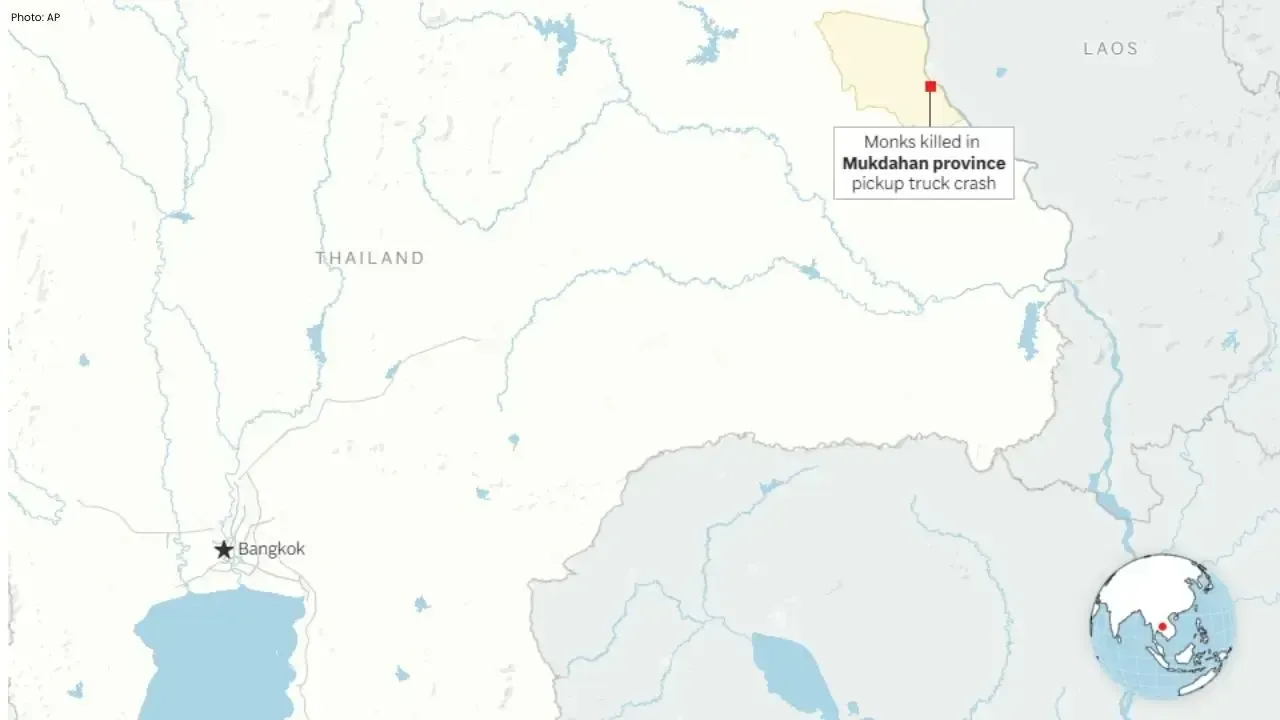
Nine Monks Killed in Thailand Pickup Truck Tragedy
An 11-year-old boy driving a pickup truck crashed into monks during a pilgrimage in northeastern Tha
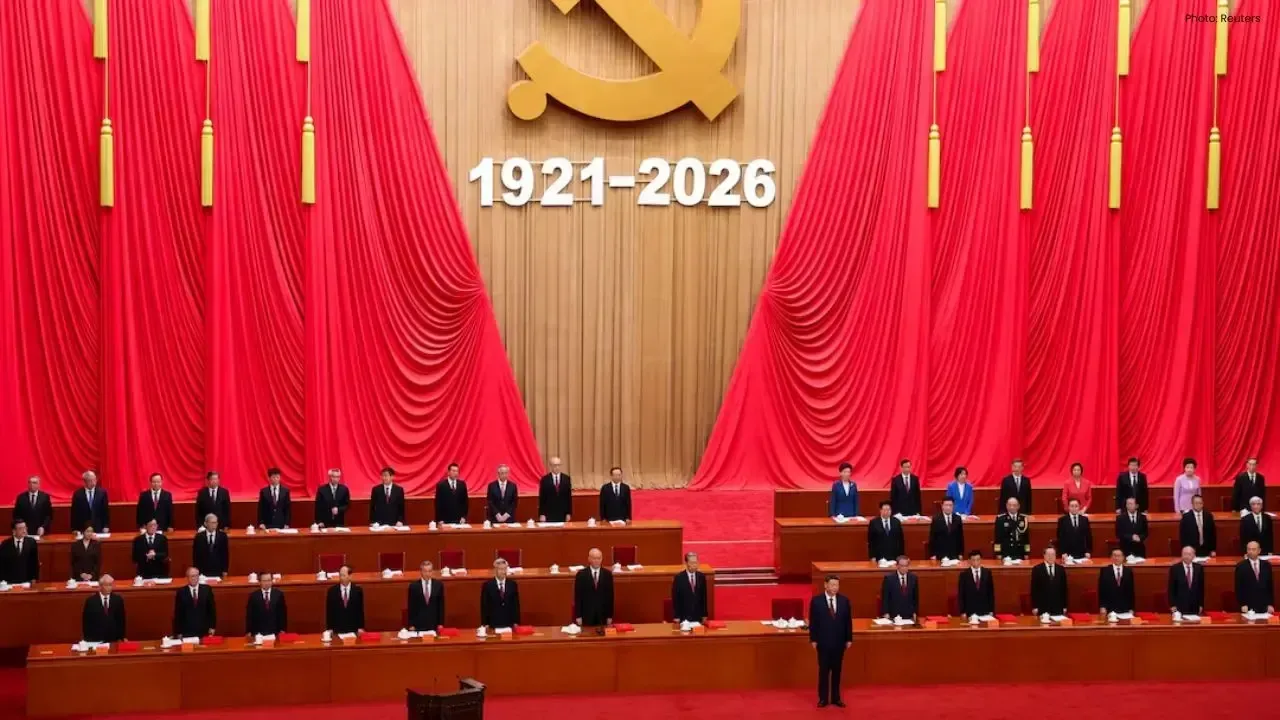
Anwar Congratulates Xi on CPC's 105th Anniversary
Malaysia reaffirms strong ties with China as PM Anwar Ibrahim sends a congratulatory letter to Presi
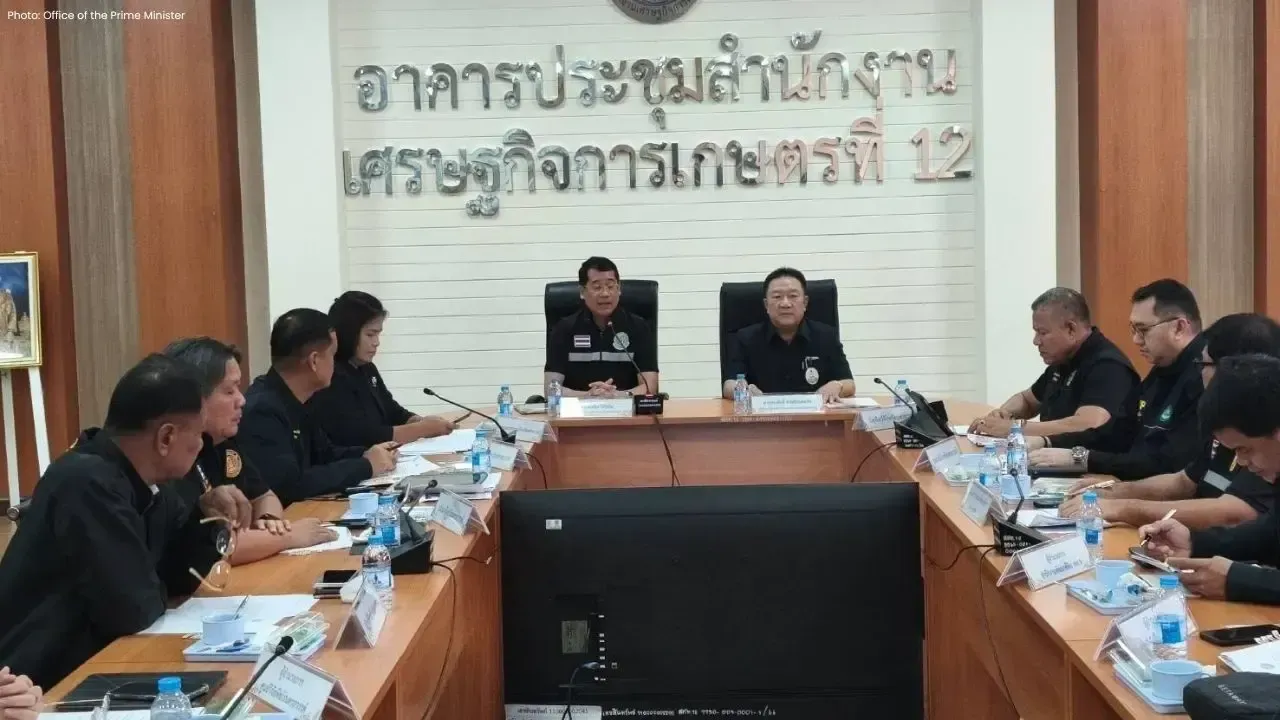
Thai Agriculture Team Reviews 2026 Farm Development Plans
Agriculture Ministry officials inspected livestock and organic rice projects in Nakhon Sawan to moni

Thailand, Canada Boost Ties in PM-Level Phone Talks
Thailand and Canada agreed to strengthen trade, security, OECD cooperation and ASEAN-Canada FTA talk