
You have not yet added any article to your bookmarks!
Join 10k+ people to get notified about new posts, news and tips.
Do not worry we don't spam!
Post by : Meena Ariff
Thailand and Cambodia are gradually putting their latest ceasefire agreement into effect, following weeks of intense border clashes that represented the worst fighting between the two neighbors in years. The renewed commitment to peace comes after a period of escalating violence that raised regional concerns and drew international attention.
The clashes, which erupted in late November and continued through December, involved heavy artillery exchanges, small arms fire, and sporadic incursions along the shared border. Both sides reported casualties, though the exact figures remain disputed. The violence displaced dozens of local villagers and disrupted daily life in several border districts. The intensity of the conflict marked a sharp deterioration in relations, prompting urgent diplomatic intervention from regional and global actors.
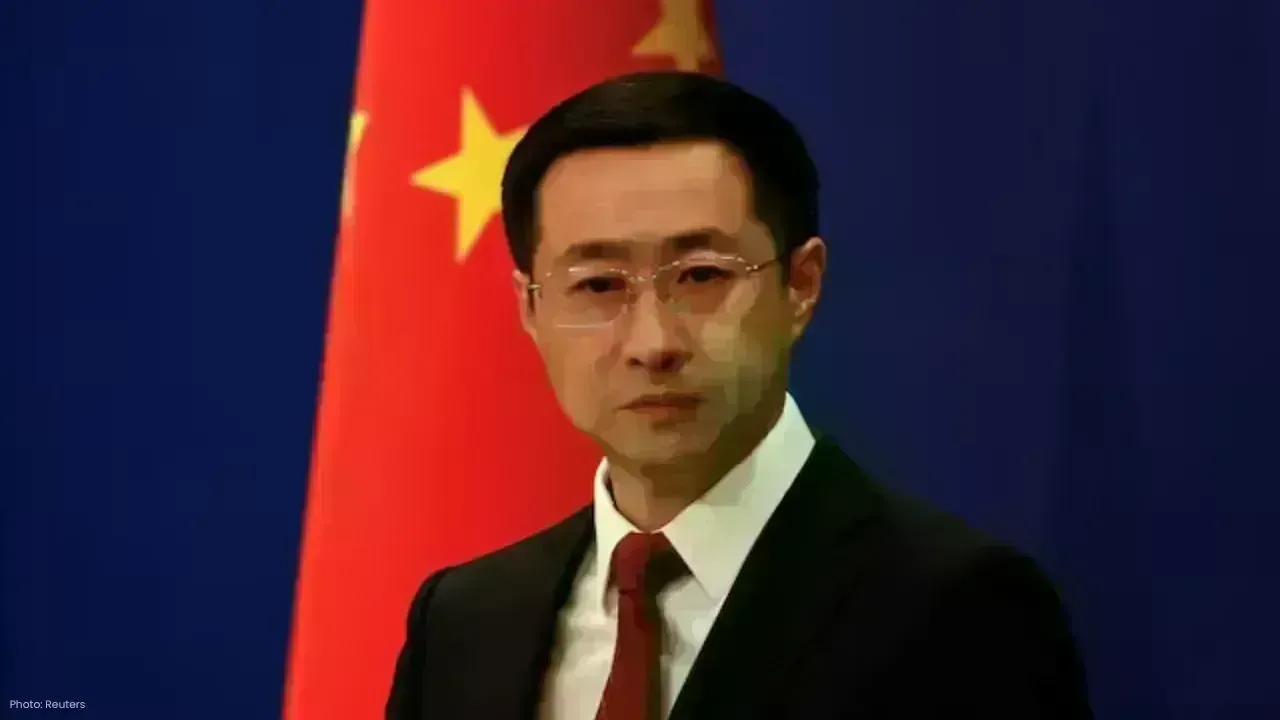
Chinese authorities, closely monitoring the situation, have called for both nations to maintain a "comprehensive" and "lasting" peace. A spokesperson from the Chinese Ministry of Foreign Affairs stressed that stability along the border is critical, not only for the safety of civilians but also for broader regional security. China has historically played a role as a mediator in Southeast Asian disputes and is advocating continued dialogue between Bangkok and Phnom Penh to prevent future flare-ups.
As a tangible sign of cooperation, Thailand has returned 18 Cambodian soldiers who were detained during the border clashes. The move has been welcomed by officials in Cambodia as a positive step toward de-escalation and rebuilding trust between the two countries’ military forces. Observers note that confidence-building measures like these are essential for sustaining peace and ensuring both sides can engage in constructive dialogue without fear of immediate retaliation.
The two nations formally agreed on a second ceasefire at the end of December, following weeks of negotiations mediated by regional diplomats. This agreement reaffirmed commitments from both sides to reduce military activity, respect border demarcations, and pursue diplomatic channels for resolving disputes. While the ceasefire is gradually being implemented, authorities caution that maintaining it requires ongoing monitoring, clear communication, and continued goodwill from both governments.
Experts and analysts emphasize that while progress has been slow, the ceasefire represents a critical step in breaking the cycle of recurring clashes. Ensuring long-term stability along the Thailand-Cambodia border will depend on continued engagement, transparent reporting of incidents, and mechanisms to address disputes before they escalate into violence. Without sustained efforts, there is a risk that minor skirmishes could reignite tensions, undermining recent achievements in peacebuilding.
The situation remains delicate, but the gradual implementation of the ceasefire and the return of detained soldiers suggest that both Thailand and Cambodia are taking practical steps toward reconciliation. Regional observers remain cautiously optimistic that with sustained diplomatic efforts, the border region can move toward lasting stability, benefitting local communities and fostering stronger bilateral ties between the two Southeast Asian nations.










PM Modi Pays Tribute to Mahatma Gandhi, Urges People to Support Khadi
PM Modi pays tribute to Mahatma Gandhi on Gandhi Jayanti and urges citizens to support Khadi and the

Amazon Seeks to Offload $8 Billion in Nvidia Chips to Investors
Amazon plans to move $8 billion in Nvidia chips to investors, using a new financing model to strengt

Samsung Raises Galaxy S26 Prices as Memory Chip Costs Rise
Samsung raises Galaxy S26 prices in South Korea as rising memory chip costs put pressure on smartpho

Lewis Hamilton Calls Singapore Grand Prix One of F1's Toughest Races
Lewis Hamilton discusses the demanding Singapore Grand Prix and brings Plus44 and Almave to Singapor

Denmark's Pandora Opens World's Largest Jewellery Factory in Vietnam
Pandora opens its largest jewellery factory in Vietnam, expanding global production, strengthening s

Gautam Gambhir Questions Batting-Friendly Pitches After India's Record ODI Chase
Gautam Gambhir questions batting-friendly ODI pitches after India’s record chase, calling for a bett

