You have not yet added any article to your bookmarks!
Join 10k+ people to get notified about new posts, news and tips.
Do not worry we don't spam!
Post by : Anis Farhan
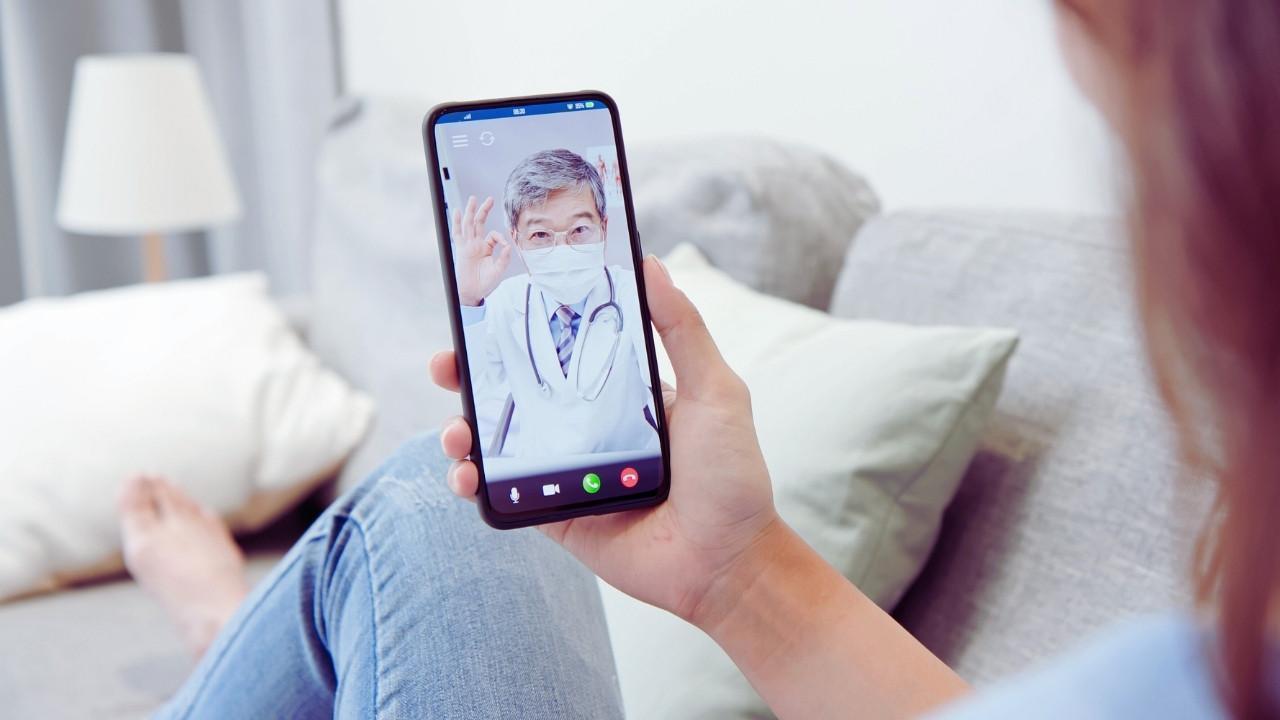
Telemedicine, the use of digital technology to provide medical services remotely, has emerged as a crucial tool in improving healthcare access, especially in rural areas. In regions where hospitals, clinics, and trained medical professionals are scarce, telemedicine offers a lifeline, connecting patients with qualified healthcare providers from a distance.
The rise of smartphones, high-speed internet, and affordable digital tools has made telemedicine increasingly feasible. Patients can now consult doctors, receive prescriptions, monitor chronic conditions, and access health education without traveling long distances. This has significant implications for rural communities, where transportation challenges and limited infrastructure often delay care.
Telemedicine not only addresses immediate healthcare needs but also strengthens public health systems by enabling data collection, remote monitoring, and early intervention for disease outbreaks.
Rural regions face multiple challenges that hinder healthcare delivery:
Limited Infrastructure: Hospitals and clinics are concentrated in urban centers, leaving rural populations underserved.
Shortage of Medical Professionals: Many rural areas lack doctors, specialists, and trained nurses.
Travel Barriers: Patients often travel hours to reach medical facilities, delaying treatment.
High Costs: Medical care can be expensive due to travel, lost wages, and limited local services.
Health Awareness: Low levels of health literacy reduce early detection and preventive care.
Telemedicine addresses these challenges by providing remote consultations, reducing the need for travel, and connecting patients with expert care.
Several technological advances are enabling telemedicine to thrive in rural areas:
Video Consultations: High-quality video platforms allow real-time interaction between doctors and patients, facilitating diagnosis and treatment.
Mobile Health Apps: Apps provide appointment scheduling, symptom tracking, medication reminders, and health education.
Remote Diagnostics: Portable devices and IoT-enabled tools allow vital signs, blood sugar, blood pressure, and other parameters to be monitored remotely.
Electronic Health Records (EHRs): Digital records ensure that patient history, lab reports, and prescriptions are accessible to healthcare providers from anywhere.
AI and Analytics: Artificial intelligence helps identify disease patterns, suggest treatments, and predict health risks, enhancing decision-making for doctors.
These innovations reduce logistical barriers, improve patient monitoring, and increase the efficiency of rural healthcare delivery.
India, with a large rural population, is increasingly adopting telemedicine to bridge healthcare gaps. Government initiatives like eSanjeevani, a national teleconsultation service, allow patients to consult doctors online free of charge.
Private companies are also providing telemedicine services through apps, mobile vans, and kiosks. These services extend primary care, specialty consultations, and chronic disease management to villages and remote settlements.
Telemedicine has been especially valuable during emergencies and pandemics, where physical access to healthcare facilities is restricted. It has enabled continuity of care, reducing hospital visits and mitigating the risk of infection.
Rural populations face high rates of chronic illnesses such as diabetes, hypertension, and cardiovascular diseases. Telemedicine provides continuous monitoring, early intervention, and guidance for lifestyle management.
Patients can track their health metrics through wearable devices or mobile apps, share readings with doctors, and receive timely advice. This reduces complications, hospital admissions, and long-term healthcare costs.
Healthcare providers can also analyze data from multiple patients to identify risk trends, plan preventive campaigns, and optimize resource allocation in rural areas.
Maternal and child health is a critical area where telemedicine is making a difference. Remote consultations allow pregnant women to receive prenatal care, nutritional guidance, and vaccination reminders without traveling long distances.
Telemedicine also provides education on safe childbirth, newborn care, and family planning. Pediatric consultations, growth monitoring, and immunization tracking are facilitated through mobile platforms and community health workers.
By integrating telemedicine into maternal and child health programs, rural areas can reduce maternal and infant mortality, improve nutrition, and enhance overall healthcare outcomes.
Community health workers play a vital role in connecting rural patients with telemedicine services. Equipped with smartphones, tablets, or portable diagnostic kits, they act as intermediaries, helping patients schedule consultations, collect health data, and follow medical advice.
This integration strengthens the healthcare ecosystem, allowing professional doctors to reach a wider population while ensuring that local communities remain actively involved in health management.
Telemedicine brings economic and social benefits to rural areas:
Reduced Travel Costs: Patients save on transportation, lodging, and lost income.
Time Efficiency: Consultations can be scheduled without waiting for days or weeks.
Access to Specialists: Rural patients gain access to urban-based specialists, improving care quality.
Health Literacy: Exposure to digital tools and online consultations increases awareness of preventive care and healthy habits.
Job Creation: Telemedicine platforms generate employment opportunities for IT professionals, health coordinators, and technical staff.
By reducing barriers to healthcare, telemedicine strengthens rural communities, improves productivity, and enhances quality of life.
Despite its advantages, telemedicine faces challenges in rural areas:
Digital Divide: Poor internet connectivity, low smartphone penetration, and lack of digital literacy limit adoption.
Trust and Acceptance: Some patients may be hesitant to rely on virtual consultations instead of in-person visits.
Data Privacy Concerns: Secure handling of patient data is essential to maintain trust.
Training Needs: Healthcare providers require training to use telemedicine platforms effectively.
Infrastructure Costs: Establishing kiosks, diagnostic devices, and communication networks requires investment.
Addressing these challenges is crucial to ensure that telemedicine achieves its full potential in underserved areas.
Government policies play a key role in scaling telemedicine. Initiatives include:
eSanjeevani Telemedicine: Provides free online consultations to citizens across India.
Digital Health ID: Part of the National Digital Health Mission, enabling secure access to medical records.
Subsidies and Incentives: Funding support for telemedicine infrastructure in rural clinics and community centers.
Training Programs: Educating healthcare providers and community workers on telemedicine technology and best practices.
Partnerships with Private Sector: Encouraging collaboration with startups and telehealth platforms to expand service coverage.
Supportive policies create a conducive environment for sustainable telemedicine adoption.
Countries worldwide have leveraged telemedicine to improve rural healthcare. For instance, Australia’s Royal Flying Doctor Service combines teleconsultations with mobile medical units. In Africa, telemedicine connects remote clinics with urban hospitals to treat infectious diseases and chronic conditions.
India can adapt these models, combining technology with local community engagement to create scalable, context-sensitive solutions. International collaboration also allows knowledge sharing, resource optimization, and access to advanced tools.
The future of telemedicine includes integration with AI, IoT devices, and predictive analytics. AI-driven diagnostic tools can assist doctors in identifying conditions more accurately, while connected devices monitor patient health continuously.
Virtual reality (VR) and augmented reality (AR) could enhance medical training and patient education in remote regions. Mobile platforms will become more user-friendly, and multilingual interfaces will cater to diverse populations.
As technology advances, telemedicine will not only complement traditional healthcare but also transform how rural populations access, understand, and manage their health.
Telemedicine represents a transformative solution for rural healthcare gaps. By leveraging digital technologies, communities gain access to medical consultations, diagnostics, chronic disease management, and preventive care that would otherwise be out of reach.
While challenges such as connectivity, digital literacy, and infrastructure remain, strategic policies, technological innovation, and community engagement can overcome these barriers. Telemedicine improves health outcomes, reduces costs, empowers patients, and strengthens public health systems.
In the years ahead, integrating telemedicine with AI, IoT, and data-driven healthcare will further enhance accessibility, quality, and efficiency. Telemedicine is not just a technological solution—it is a vital tool in ensuring equitable healthcare for all, especially in underserved rural regions.
This article is intended for informational and educational purposes only. Readers should consult healthcare professionals for personal medical advice. Implementation of telemedicine solutions should follow local regulations and professional guidelines.










George Russell Wins Dutch GP Sprint, Boosts Mercedes Morale
George Russell wins the Dutch GP Sprint from pole as Mercedes teammate Kimi Antonelli extends his F1

Australia 50/3 After Bangladesh Bowled Out for 64 in Second Test
Australia reached 50/3 after Bangladesh were bowled out for 64 in the second Test, with Mitchell Sta

Jordan Burroughs Returns to Wrestling with 2028 Olympic Dream
Jordan Burroughs returns to wrestling with Real American Freestyle as the Olympic champion eyes a po

Lamborghini Catches Fire on Singapore's ECP, Causing Heavy Traffic
A Lamborghini caught fire on Singapore's ECP, causing heavy traffic and bus delays. No injuries were

Bangkok Airport Duty-Free Area Flooded by Pipe Burst
A burst water pipe flooded the duty-free shopping area at Bangkok's Suvarnabhumi Airport on July 16,

Nine Monks Killed in Thailand Pickup Truck Tragedy
An 11-year-old boy driving a pickup truck crashed into monks during a pilgrimage in northeastern Tha