You have not yet added any article to your bookmarks!
Join 10k+ people to get notified about new posts, news and tips.
Do not worry we don't spam!

Post by : Anis Farhan
In the past, globalization meant nations leaned on each other for trade, energy, and innovation. But when it comes to technology, the tides are shifting. The COVID-19 pandemic, supply chain disruptions, and rising geopolitical tensions have forced governments to rethink their dependence on foreign technology. Chips, cloud networks, and artificial intelligence are no longer luxuries; they are the backbone of economies, defense systems, and social stability.
Tech sovereignty refers to a nation’s ability to develop, regulate, and secure its own technological infrastructure without being overly reliant on external suppliers. It is not just about innovation but also about resilience. Countries are realizing that depending on a handful of tech superpowers could leave them vulnerable in times of conflict, economic disputes, or political tension.
At the heart of tech sovereignty lies the semiconductor industry. Chips power everything—from smartphones and medical equipment to fighter jets and satellites. For decades, chip manufacturing has been concentrated in a few hubs, particularly Taiwan and South Korea. However, with rising security concerns, governments across the U.S., Europe, India, and China are investing heavily in domestic semiconductor plants.
The U.S. passed the CHIPS and Science Act, allocating billions to revive domestic chipmaking. The European Union announced its own EU Chips Act to ensure supply chain security. China, meanwhile, has doubled down on self-sufficiency, pouring funds into its national chip champions. Even smaller nations are realizing that a robust semiconductor strategy is vital to national security.
For many, chip sovereignty is not just about economic growth—it’s about survival in a future where every industry depends on microprocessors.
Artificial Intelligence is no longer confined to tech companies or academic labs. Nations are treating AI as a strategic asset, crucial for defense, healthcare, agriculture, and even governance. Countries are creating national AI strategies that emphasize local development, ethical oversight, and reduced dependency on foreign algorithms.
China’s state-backed AI development, the U.S.’s investments in responsible AI, and Europe’s push for AI regulations reflect the growing trend of governments seeing AI as more than a tool—it’s a geopolitical weapon. For smaller nations, localized AI means adapting solutions to their own cultural and economic needs rather than importing ready-made platforms from tech giants abroad.
The drive for AI sovereignty ensures that countries can set their own rules for data usage, algorithmic bias, and security rather than letting multinational corporations dictate terms.
Another key element of tech sovereignty is digital infrastructure. Cloud storage, data centers, and communication networks are increasingly seen as national assets. The reliance on foreign-owned cloud providers raises alarms for data security and privacy. To counter this, nations are building domestic cloud solutions, strengthening local telecom companies, and ensuring that sensitive government and defense data never leave national borders.
Cybersecurity is a critical driver here. As cyberattacks grow more sophisticated, governments are recognizing the danger of having critical infrastructure dependent on foreign networks. By investing in local cybersecurity ecosystems, nations can protect not just their economies but also their sovereignty in the digital age.
The push for tech sovereignty is deeply tied to global geopolitics. The U.S.-China rivalry, Russia’s cyber operations, and Europe’s push to limit dependence on American tech giants all feed into this narrative. Technology has become a battleground where control equals power.
Countries that can secure their digital assets have leverage in international diplomacy. Those who fail risk being left behind in innovation and vulnerable to external manipulation. This rising wave of tech nationalism reflects a world where technology is no longer neutral—it’s a strategic frontier.
Beyond security, tech sovereignty has huge economic implications. Domestic manufacturing of chips, local AI innovation, and homegrown infrastructure create jobs, attract investment, and fuel industrial growth. For nations like India and Brazil, investing in self-reliant tech ecosystems is not just about independence but also about unlocking new economic opportunities.
However, this shift comes at a cost. Building semiconductor plants requires billions of dollars and years of research. Developing AI frameworks from scratch demands massive talent pools and research funding. Still, governments see this as a worthwhile long-term investment.
Not all countries can achieve tech sovereignty at the same pace. Wealthier nations with existing infrastructure and research capabilities have a head start, while developing economies may struggle to catch up. This could lead to a global divide where tech-rich nations dominate the digital future, while others remain dependent.
International collaborations may help bridge the gap. Regional alliances, such as the EU pooling resources for chip manufacturing or ASEAN countries collaborating on cybersecurity, demonstrate how collective strategies can strengthen sovereignty without isolating economies.
Looking ahead, tech sovereignty is set to become one of the defining forces of global politics and economics. Nations will continue to pour resources into chips, AI, and infrastructure, reshaping global supply chains in the process. Consumers may see more locally built technologies, while industries will increasingly rely on domestic ecosystems.
The challenge will be balancing independence with cooperation. Complete isolation is unrealistic in today’s interconnected world, but unchecked dependence is risky. The future likely lies in “strategic autonomy”—where nations safeguard critical technologies domestically while maintaining global partnerships for broader growth.
Tech sovereignty is not just a trend—it’s a necessity in the digital age. Nations that secure their own AI, chips, and infrastructure will hold greater economic, political, and social power. Those that lag risk dependency and vulnerability. As 2025 unfolds, the race for tech sovereignty is redefining the global order, shaping not just industries but also the very nature of national security and international relations.
This article is a general analysis of global technological trends and does not represent investment or policy advice. Views are based on current events and research insights available in 2025.









Jordan Burroughs Returns to Wrestling with 2028 Olympic Dream
Jordan Burroughs returns to wrestling with Real American Freestyle as the Olympic champion eyes a po

Lamborghini Catches Fire on Singapore's ECP, Causing Heavy Traffic
A Lamborghini caught fire on Singapore's ECP, causing heavy traffic and bus delays. No injuries were

Bangkok Airport Duty-Free Area Flooded by Pipe Burst
A burst water pipe flooded the duty-free shopping area at Bangkok's Suvarnabhumi Airport on July 16,
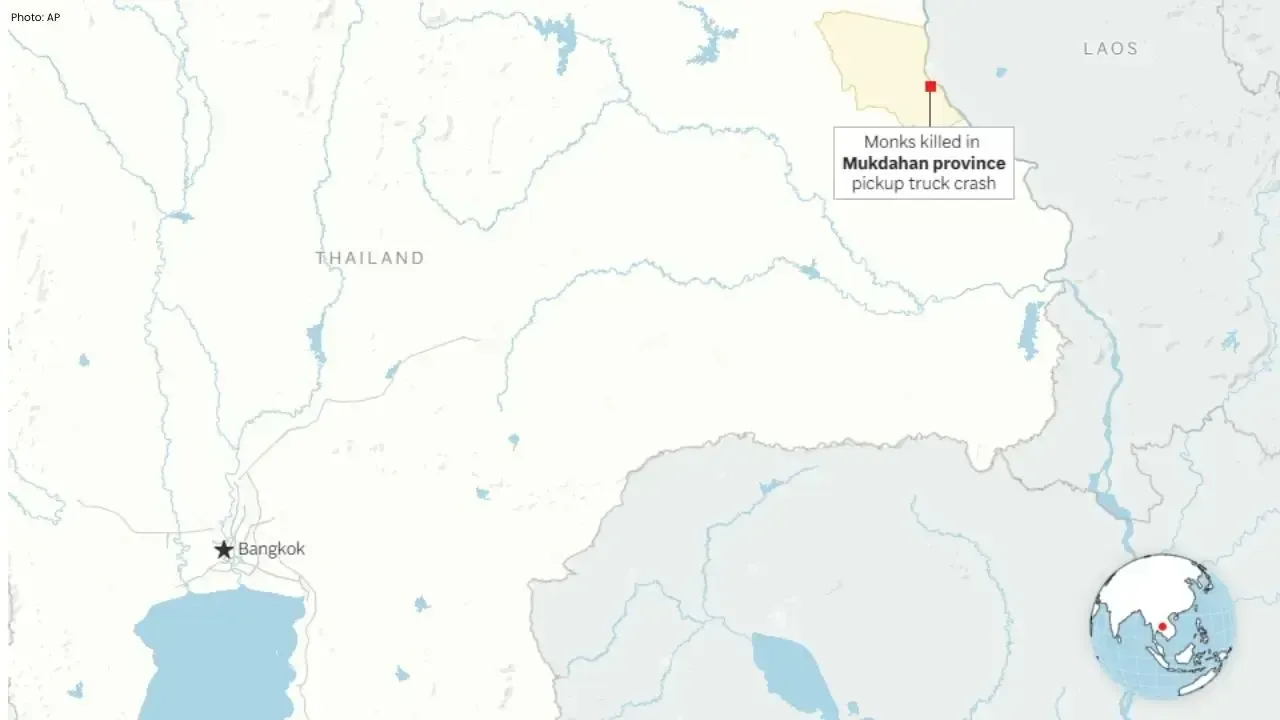
Nine Monks Killed in Thailand Pickup Truck Tragedy
An 11-year-old boy driving a pickup truck crashed into monks during a pilgrimage in northeastern Tha
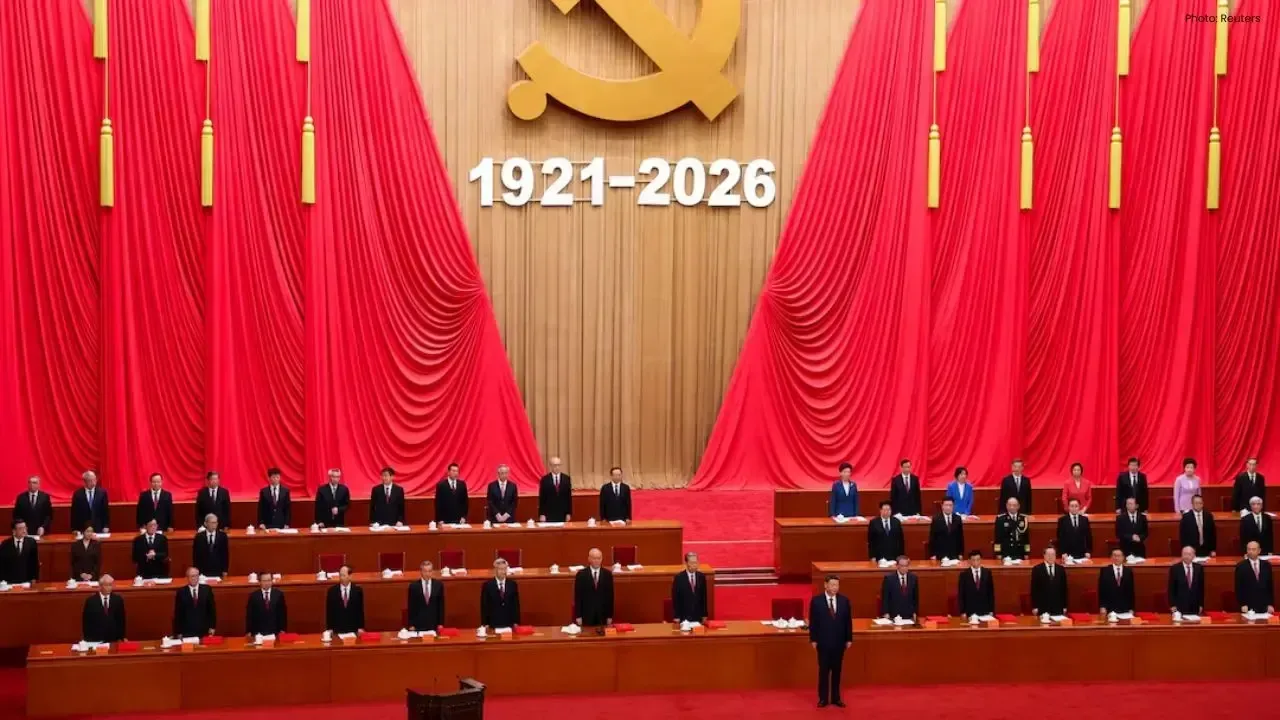
Anwar Congratulates Xi on CPC's 105th Anniversary
Malaysia reaffirms strong ties with China as PM Anwar Ibrahim sends a congratulatory letter to Presi

Thai Agriculture Team Reviews 2026 Farm Development Plans
Agriculture Ministry officials inspected livestock and organic rice projects in Nakhon Sawan to moni