
You have not yet added any article to your bookmarks!
Join 10k+ people to get notified about new posts, news and tips.
Do not worry we don't spam!
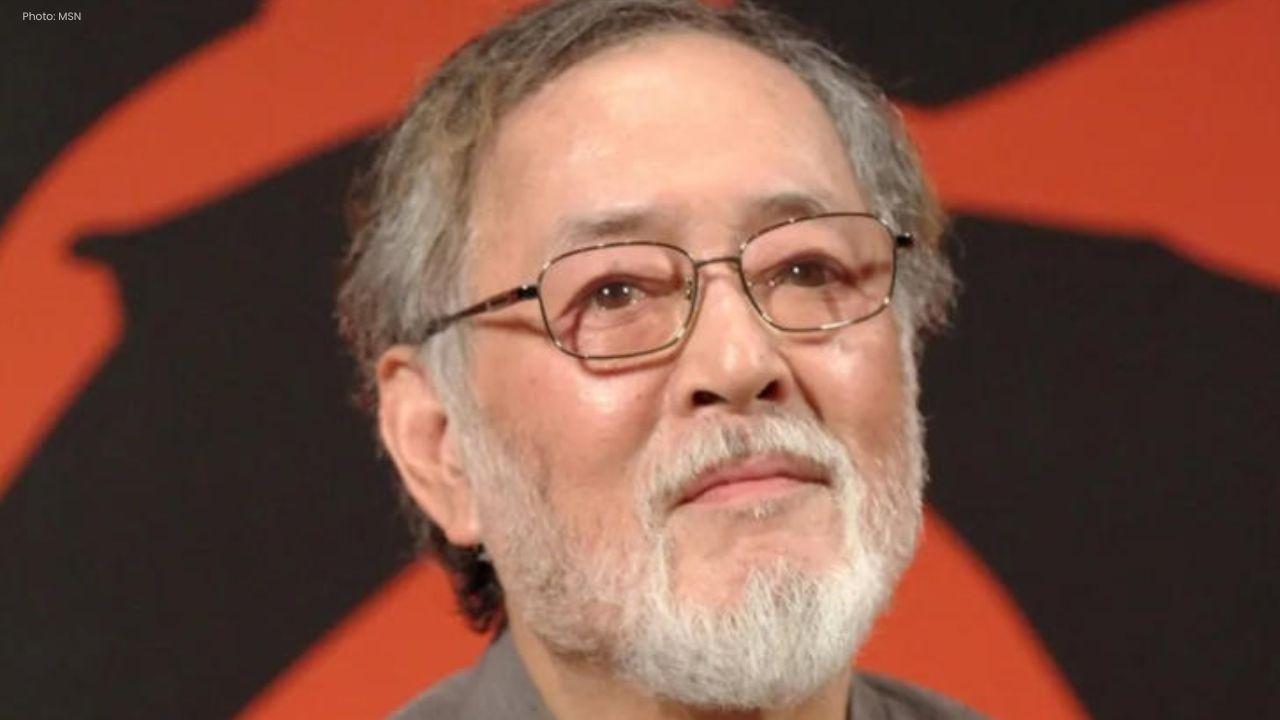
Post by : Meena Ariff
Renowned Japanese actor Tatsuya Nakadai, celebrated for his profound impact on global cinema, passed away at the age of 92 on November 8 in Tokyo. His death signifies the conclusion of a remarkable era, as he was regarded as the last major figure from Japan's cinematic golden age. With unforgettable portrayals in classics such as Ran, Kagemusha, The Human Condition, and Harakiri, Nakadai's legacy continues to influence the world of film.
Path to Stardom and Cinematic Breakthrough
Nakadai's foray into the film industry was anything but conventional. Recognized for his striking features and intense gaze, he made his debut in a minor role in Akira Kurosawa's acclaimed Seven Samurai (1954). This brief appearance caught the attention of Kurosawa, marking the beginning of an incredible career.
Impressed by Nakadai's remarkable presence, Kurosawa cast him as the enigmatic antagonist to Toshiro Mifune in Yojimbo (1961), leading to a captivating rivalry that enthralled audiences worldwide. Their collaboration continued in Sanjuro (1962), allowing Nakadai to further showcase his depth as an actor.
Their partnership further extended with High and Low (1963), a gripping crime thriller where Nakadai portrayed a tenacious detective unraveling a perilous kidnapping scheme, affirming his prowess in both modern and historic narratives.
Emergence as a Global Icon
Nakadai's international fame surged in the mid-1960s, especially following Mifune’s departure from Kurosawa’s projects, which opened new pathways for Nakadai in prominent roles in some of Kurosawa's most ambitious films.
In 1980, he delivered a powerful performance in Kagemusha, embodying both a samurai warlord and the thief meant to impersonate him; the film secured the prestigious Palme d’Or at Cannes, cementing his extraordinary talent.
However, his most celebrated role came in 1985 with Ran, a visually stunning interpretation of Shakespeare's King Lear by Kurosawa. As Lord Hidetora, Nakadai delivered a commanding performance, portraying both strength and vulnerability, which is revered as one of the apex performances in the history of Japanese cinema.
A Cornerstone of Japanese Cinematic Art
While Kurosawa’s films gained worldwide acclaim, Nakadai's most impactful work within Japan arose through his collaboration with director Masaki Kobayashi. Together, they produced 11 influential films, which played a pivotal role in reshaping postwar Japanese cinema.
The duo began with the monumental trilogy The Human Condition (1959–61), an epic anti-war narrative lasting over nine hours, where Nakadai's deeply moving portrayal of Kaji, who confronts moral challenges during wartime, remains one of his most revered performances.
Subsequently, they collaborated on Harakiri (1962), now considered a monumental samurai film. Nakadai's cold, yet masterful performance combined with Kobayashi's minimalist approach resulted in a cinematic classic praised for its emotional resonance and storytelling power.
In The Sword of Doom (1966), Nakadai continued to exhibit his remarkable versatility, playing a ruthless samurai—one of his personal favorite roles.
Nakadai remained a vibrant presence in film and theater for decades, significantly influencing Japan’s artistic landscape. His last on-screen appearance came in 2020, marking over sixty years since his debut. Despite the emergence of new talent, Nakadai's enduring legacy serves as a benchmark in cinematic excellence.
The rise of global streaming services has made many of Nakadai's iconic performances available to audiences worldwide, ensuring that his contributions to Japanese cinema remain a critical part of film history, inspiring filmmakers, actors, and cinephiles across cultures.
As the final custodian of Japan’s golden-age cinematic heritage, Tatsuya Nakadai’s passing signifies the closing of an extraordinary chapter in global cinema. His performances—rich with intensity, humanity, and captivating artistry—will continue to inspire future generations.










PM Modi Pays Tribute to Mahatma Gandhi, Urges People to Support Khadi
PM Modi pays tribute to Mahatma Gandhi on Gandhi Jayanti and urges citizens to support Khadi and the

Amazon Seeks to Offload $8 Billion in Nvidia Chips to Investors
Amazon plans to move $8 billion in Nvidia chips to investors, using a new financing model to strengt

Samsung Raises Galaxy S26 Prices as Memory Chip Costs Rise
Samsung raises Galaxy S26 prices in South Korea as rising memory chip costs put pressure on smartpho

Lewis Hamilton Calls Singapore Grand Prix One of F1's Toughest Races
Lewis Hamilton discusses the demanding Singapore Grand Prix and brings Plus44 and Almave to Singapor

Denmark's Pandora Opens World's Largest Jewellery Factory in Vietnam
Pandora opens its largest jewellery factory in Vietnam, expanding global production, strengthening s

Gautam Gambhir Questions Batting-Friendly Pitches After India's Record ODI Chase
Gautam Gambhir questions batting-friendly ODI pitches after India’s record chase, calling for a bett

