You have not yet added any article to your bookmarks!
Join 10k+ people to get notified about new posts, news and tips.
Do not worry we don't spam!

Post by : Saif Rahman
Taiwan is actively pursuing greater semiconductor investments in the United States, particularly spotlighting Arizona. President Lai Ching-te expressed hopes for the establishment of additional Taiwanese chip factories and research facilities in the area, emphasizing that this initiative is pivotal in enhancing Taiwan-U.S. relations.
During a meeting with U.S. Senator Ruben Gallego from Arizona, President Lai noted that Taiwan Semiconductor Manufacturing Company (TSMC) showcases the collaborative potential of industries from both nations. He is optimistic that increased cooperation in chip manufacturing and research will yield significant, long-term advantages for both sides.
As the globe's leading contract chipmaker, TSMC is instrumental in manufacturing advanced semiconductors vital for artificial intelligence, smartphones, and cutting-edge electronics. The company is currently making an investment of about 165 billion dollars in Phoenix, Arizona, where expansive semiconductor plants are underway. These facilities are projected to generate thousands of jobs and bolster the U.S. domestic chip supply.
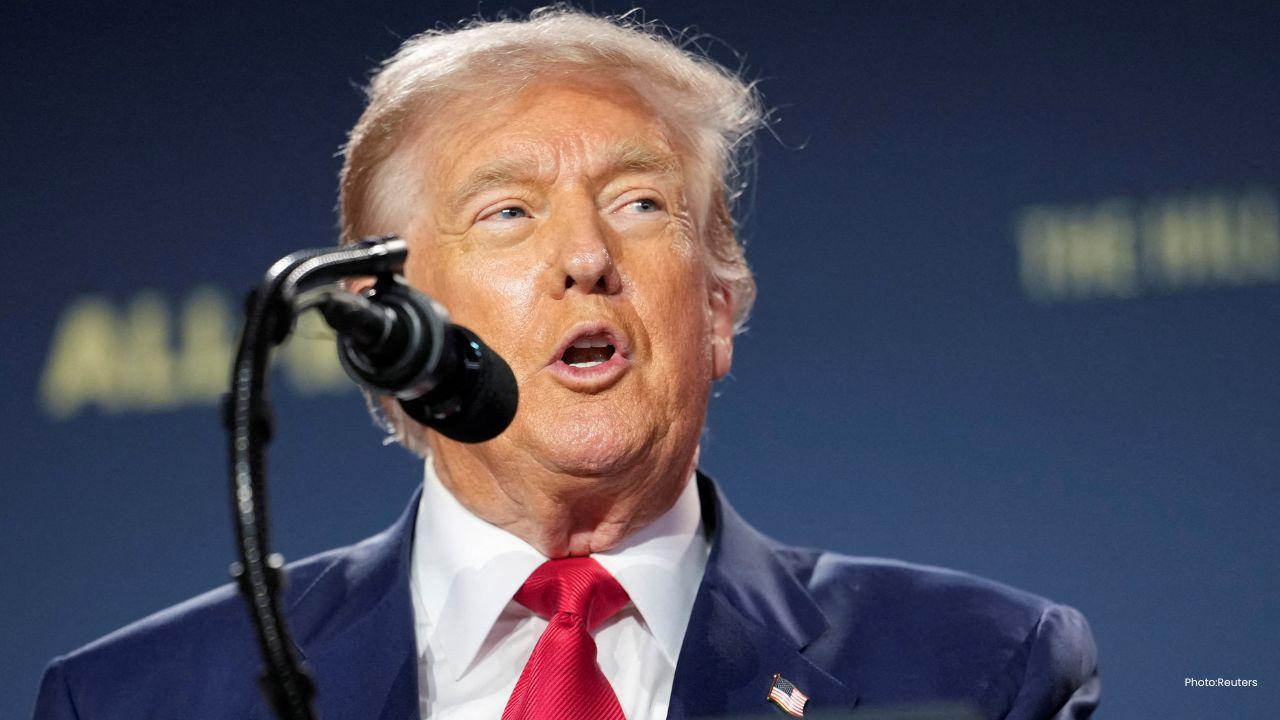
The U.S. has been advocating for Taiwan to heighten its manufacturing footprint in America. U.S. President Donald Trump has persistently urged key trading partners with substantial trade surpluses to boost domestic production in the U.S., notably in high-tech domains like AI chips. Taiwan's intensifying investments in Arizona align seamlessly with this strategic policy.
President Lai conveyed that the expansion of semiconductor operations in the U.S. transcends mere business considerations, symbolizing trust and aligned objectives. He highlighted that technological synergy fosters stronger political and economic affiliations, especially amid prevailing global supply chain uncertainties.
This dialogue follows the recent establishment of a trade agreement between Taiwan and the U.S. Under this arrangement, U.S. tariffs on Taiwanese exports are set to be reduced from 20% to 15%. Furthermore, Taiwan committed to investing approximately 250 billion dollars into the U.S. across sectors including semiconductors, energy, and artificial intelligence, alongside assurances of an additional 250 billion dollars in credit guarantees to facilitate further investments.
Senator Gallego commended the substantial Taiwanese investment in Arizona, asserting that it has yielded significant economic benefits for the state. He remarked that Arizona has emerged as a benchmark for other states, attributable to the formidable presence of companies like TSMC and the economic growth they have ushered in.
Despite the absence of formal diplomatic ties, the U.S. stands as Taiwan's foremost international ally. Economic collaborations, especially in critical sectors like semiconductors, continue to reinforce this association. Taiwan's push for increased chip investments in Arizona underscores how technology is reshaping global alliances and economic security moving forward.







George Russell Wins Dutch GP Sprint, Boosts Mercedes Morale
George Russell wins the Dutch GP Sprint from pole as Mercedes teammate Kimi Antonelli extends his F1

Australia 50/3 After Bangladesh Bowled Out for 64 in Second Test
Australia reached 50/3 after Bangladesh were bowled out for 64 in the second Test, with Mitchell Sta

Jordan Burroughs Returns to Wrestling with 2028 Olympic Dream
Jordan Burroughs returns to wrestling with Real American Freestyle as the Olympic champion eyes a po

Lamborghini Catches Fire on Singapore's ECP, Causing Heavy Traffic
A Lamborghini caught fire on Singapore's ECP, causing heavy traffic and bus delays. No injuries were

Bangkok Airport Duty-Free Area Flooded by Pipe Burst
A burst water pipe flooded the duty-free shopping area at Bangkok's Suvarnabhumi Airport on July 16,

Nine Monks Killed in Thailand Pickup Truck Tragedy
An 11-year-old boy driving a pickup truck crashed into monks during a pilgrimage in northeastern Tha