
You have not yet added any article to your bookmarks!
Join 10k+ people to get notified about new posts, news and tips.
Do not worry we don't spam!
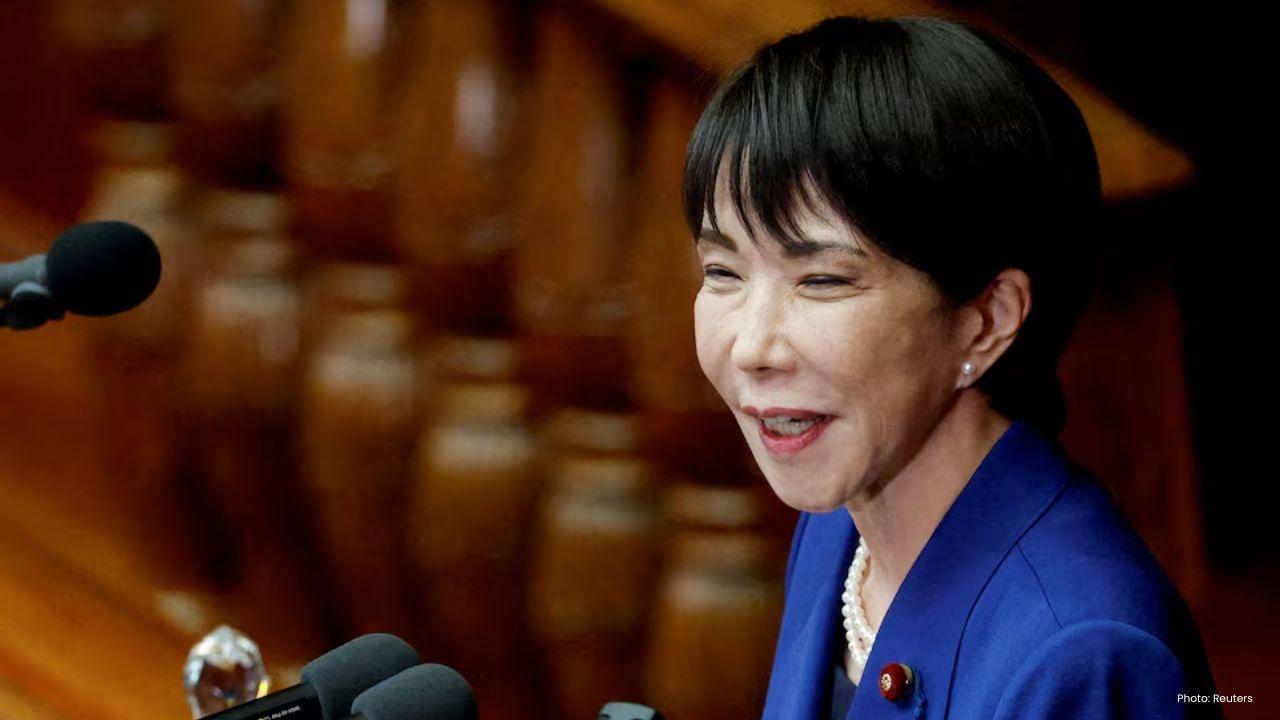
Post by : Badri Ariffin
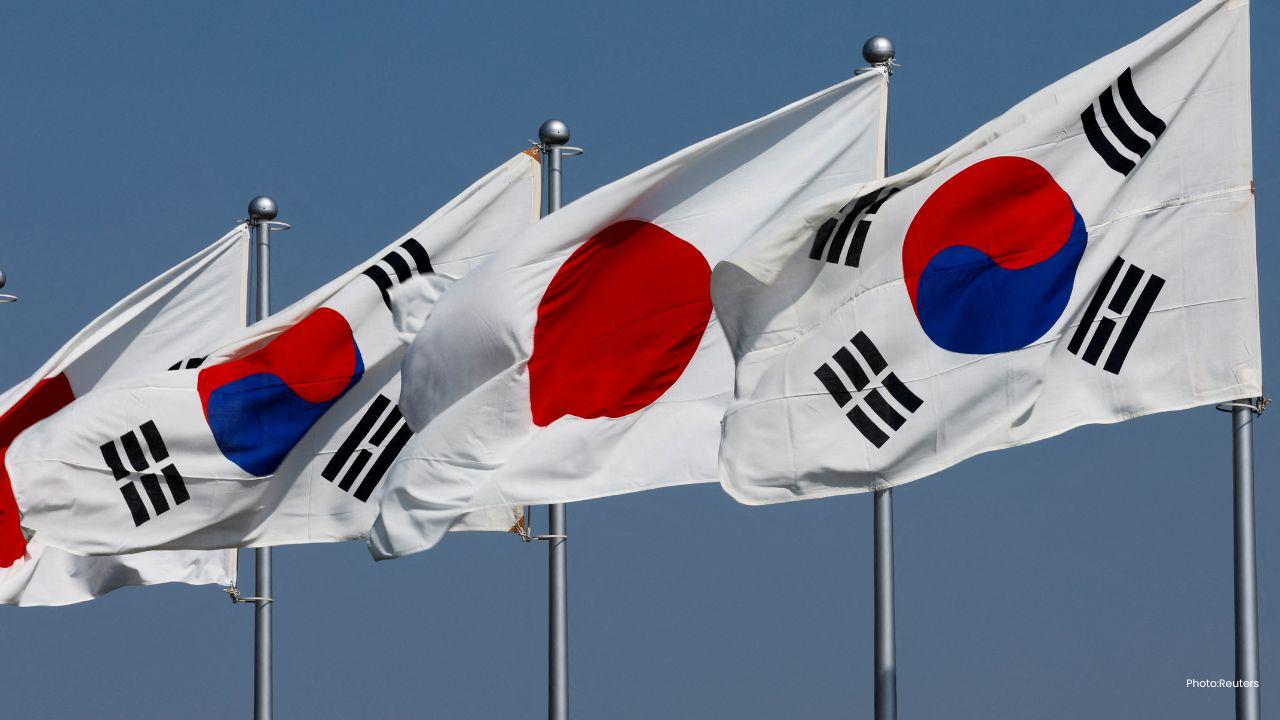
Tokyo and Beijing are locked in one of the most serious diplomatic spats in recent years, triggered by Japan’s Prime Minister Sanae Takaichi’s warning of possible military involvement if China attempts to invade Taiwan. The escalating rhetoric has sparked concerns across Asia and disrupted economic ties between two of the world’s largest trading partners.
Takaichi, in her first parliamentary address since taking office in October, stressed that an attack on Taiwan could pose an existential threat to Japan, whose southern islands lie just 110 kilometers from Taiwan’s main island. While Japan’s constitution traditionally forbids using force in international disputes, a 2015 law allows Tokyo to exercise collective self-defence in specific circumstances—a policy now being underscored by Takaichi’s administration.
China’s ruling Communist Party claims Taiwan as a breakaway province and has repeatedly vowed to achieve reunification, by force if necessary. Takaichi’s remarks, which align with the hawkish stance once taken by her mentor Shinzo Abe, have drawn immediate backlash from Beijing. Chinese authorities described her words as a “military threat” and warned Japan against supporting “Taiwan independence separatist forces.”
The dispute quickly spilled into public confrontations. Beijing issued travel warnings to its citizens visiting Japan, citing unverified security risks, while Chinese state media highlighted Takaichi’s comments as “dangerously provocative.” Meanwhile, China sent coast guard ships near the disputed Senkaku Islands and deployed drones past Japan’s westernmost Yonaguni island, signaling a show of strength.
The historical backdrop adds complexity to the current tensions. Taiwan was under Japanese rule for nearly five decades before being handed over to the Republic of China after World War II. Since then, China has claimed Taiwan as part of its territory, though it has never governed the island. Analysts note that any military conflict over Taiwan could pull in regional powers, including Japan, which hosts a significant US military presence.
Economic consequences are already evident. Chinese travel warnings have disrupted tourism and student exchanges, affecting millions of visitors and students and threatening billions in economic activity. Retail and tourism stocks in Japan experienced immediate declines following Beijing’s advisory.
While the risk of full-scale military confrontation remains low, experts caution that continued naval and aerial activity in contested areas raises the possibility of miscalculations. For now, both sides have summoned ambassadors, and Japan has dispatched a high-level envoy to Beijing in hopes of calming tensions, signaling that diplomacy will be tested in the weeks ahead.





Hyundai raises profit target, expands hybrid lineup in the US
Hyundai hybrid cars get a major boost as the automaker raises its profit margin target and plans new

Josh Kerr and Jakob Ingebrigtsen Set for 1,500m Rivalry Rematch
Josh Kerr and Jakob Ingebrigtsen will renew their 1,500m rivalry at the Ultimate Championship in Bud

PSG Coach Luis Enrique Urges Players to Step Outside Comfort Zone
PSG coach Luis Enrique says players must leave their comfort zone and keep improving as the club tar

China’s Tiangong Sets New 400m Record at Robot Olympics
China’s Tiangong robot sets a new 400m record at the Robot Olympics, beating a South African robot i

George Russell Wins Dutch GP Sprint, Boosts Mercedes Morale
George Russell wins the Dutch GP Sprint from pole as Mercedes teammate Kimi Antonelli extends his F1

Australia 50/3 After Bangladesh Bowled Out for 64 in Second Test
Australia reached 50/3 after Bangladesh were bowled out for 64 in the second Test, with Mitchell Sta

