
You have not yet added any article to your bookmarks!
Join 10k+ people to get notified about new posts, news and tips.
Do not worry we don't spam!
Post by : Samjeet Ariff
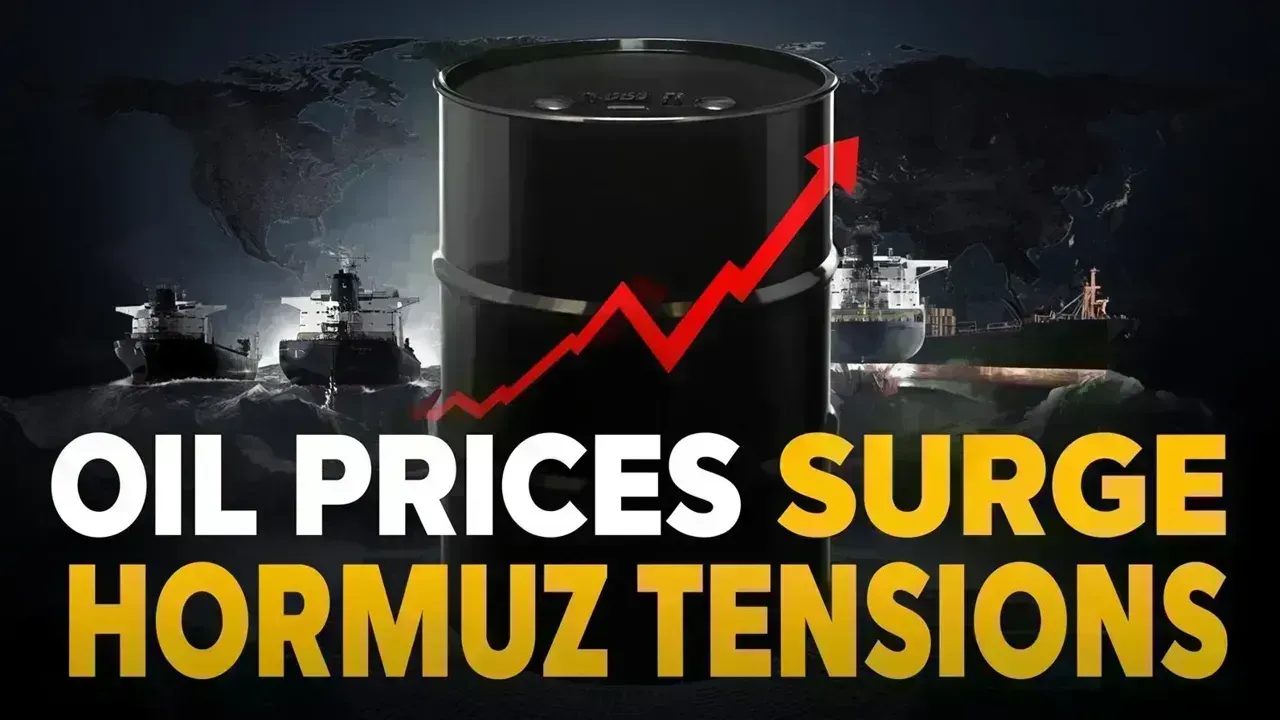
The global oil market is experiencing a significant phase of instability as tensions escalate around the strategically crucial Strait of Hormuz. Prices have risen dramatically, with Brent crude nearing $111, igniting fresh fears of supply disruptions and heightened geopolitical tensions. The situation has escalated following strong statements and a new ultimatum from Donald Trump, further complicating an already delicate global energy landscape.
The Strait of Hormuz is more than just a shipping route—it represents one of the globe's most essential oil transit points. A significant share of the world's crude oil supply traverses this narrow passage between the Persian Gulf and international markets. Any threat to its stability sends immediate ripples through energy markets, shipping industries, and global economies.
This situation is more than a fleeting price surge; it echoes deeper-rooted geopolitical tensions that are once again jeopardizing global oil supply chains.
Comprehending the seriousness of the current situation entails recognizing the strategic importance of the Strait of Hormuz. Approximately one-fifth of the world’s oil supply transits through this narrow waterway daily. Major oil-exporting nations in the Gulf heavily depend on this route for their crude supply to global markets.
Even a minimal disruption—be it real or conjectured—can trigger swift reactions:
Recent developments have reawakened concerns that any escalation could severely disrupt this critical passage.
The recent statements and ultimatum from Donald Trump have notably impacted market sentiment. Even in the absence of physical disruptions, strong political messaging alters market expectations.
Market behavior is influenced by both actual events and perceived risks. In this context:
This creates a ripple effect where oil prices surge not only due to immediate lack of supply but also from fear of future disruptions.
Brent crude nearing $111 signifies more than just a price indicator; it highlights supply worries and wider economic implications.
At this point:
For many nations, especially those reliant on imports, skyrocketing oil prices can lead directly to destabilized economic conditions. Increased fuel prices are often felt across goods and services, affecting everyday consumers.
The rise in oil prices permeates beyond just energy markets; it generates a chain reaction across various sectors.
Transportation Sector:
Airlines, shipping services, and logistical operators face immediate cost hikes, resulting in elevated ticket fares and freight charges.
Manufacturing Sector:
Industries reliant on energy confront soaring operational costs, which are usually transferred to consumers.
Consumer Effects:
From petrol prices to grocery bills, the repercussions reach households, amplifying rising inflation and a higher cost of living.
Stock Markets:
Investor sentiment shifts toward being cautious, leading to increased market volatility.
The current landscape underscores the close interrelationship between geopolitics and energy markets. The Middle East has consistently been a sensitive area for global oil supply, and any escalation quickly reverberates through international markets.
Recent events include:
Even in the absence of direct conflict, the potential for escalation is enough to impact oil price trends and global trade dynamics.
In addition to oil prices, the situation is influencing global shipping routes as the Strait of Hormuz is crucial for oil and wider maritime trade.
Potential risks include:
Such factors are raising costs across global supply chains, exacerbating pressure on already struggling systems.
The future trajectory of oil prices will largely depend on the evolution of the situation.
Possible outcomes include:
Currently, markets remain in a watchful waiting phase, responding to each update pertaining to the situation.
While the matter may appear to be a high-level geopolitical issue, its ramifications are very tangible for individuals.
Energy serves as a backbone for modern economies, and any interruptions have extensive implications on daily life.
This situation emphasizes the need for energy diversification. Nations globally are focusing on:
Such incidents illuminate how susceptible global structures can be to geopolitical vulnerabilities.
The upsurge in oil prices post the recent developments involving Donald Trump and tensions in the Strait of Hormuz signifies more than a momentary market reaction—it reflects profound uncertainties within global energy and politics.
As Brent crude nears $111, the global landscape is once again reminded of how swiftly geopolitical happenings can transform economic realities. The ensuing days will be paramount in establishing whether this remains a fleeting spike or evolves into a prolonged period of heightened energy costs.
This article is meant for informational purposes and mirrors the current global trends and developments. Economic and geopolitical conditions can swiftly evolve.
#Global News #World Breaking News #Oil Prices Surge #Strait of Hormuz #Global Economy










PM Modi Pays Tribute to Mahatma Gandhi, Urges People to Support Khadi
PM Modi pays tribute to Mahatma Gandhi on Gandhi Jayanti and urges citizens to support Khadi and the

Amazon Seeks to Offload $8 Billion in Nvidia Chips to Investors
Amazon plans to move $8 billion in Nvidia chips to investors, using a new financing model to strengt

Samsung Raises Galaxy S26 Prices as Memory Chip Costs Rise
Samsung raises Galaxy S26 prices in South Korea as rising memory chip costs put pressure on smartpho

Lewis Hamilton Calls Singapore Grand Prix One of F1's Toughest Races
Lewis Hamilton discusses the demanding Singapore Grand Prix and brings Plus44 and Almave to Singapor

Denmark's Pandora Opens World's Largest Jewellery Factory in Vietnam
Pandora opens its largest jewellery factory in Vietnam, expanding global production, strengthening s

Gautam Gambhir Questions Batting-Friendly Pitches After India's Record ODI Chase
Gautam Gambhir questions batting-friendly ODI pitches after India’s record chase, calling for a bett

