You have not yet added any article to your bookmarks!
Join 10k+ people to get notified about new posts, news and tips.
Do not worry we don't spam!
Post by : Anis Farhan
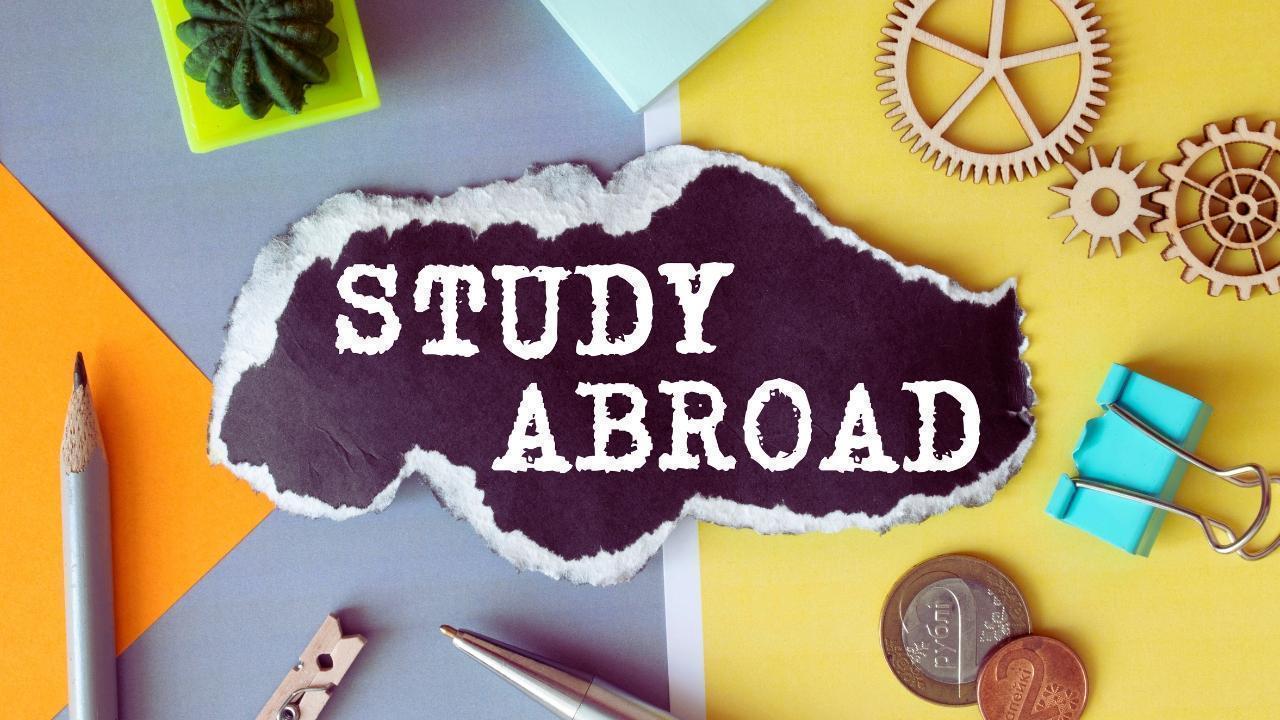
In 2025, the once-unshakeable dominance of study-abroad coaching centers is slowly fading. Students from cities like Pune, Kuala Lumpur, Jakarta, and Dhaka are turning away from pricey consultants and cookie-cutter coaching classes. Instead, they’re navigating the process on their own terms. This shift isn’t born out of rebellion—it’s coming from a more grounded place: cost-saving, self-belief, and the sheer availability of free information.
There’s a new narrative taking shape. One where students with limited means, especially from tier-2 and tier-3 cities, are learning to navigate the study-abroad journey with smartphones, community forums, and sheer resilience. And two countries—Japan and Canada—have emerged as particularly welcoming destinations for this self-driven generation.
Japan and Canada have always had global academic reputations, but what's changed is their increasing accessibility. Both countries offer English-taught programs, generous scholarships, and streamlined visa policies that favor genuine, self-prepared applicants. Japanese universities are actively trying to diversify their student population, making it easier for Southeast Asian students to apply directly through their official websites, without going through third-party agencies.
Canada, meanwhile, has simplified its application process. Many institutions now accept applications directly from students, and the government has pushed for a more transparent visa process. Students no longer feel intimidated by the application system—if anything, they feel empowered.
The biggest enabler of this shift? The internet. Students are watching YouTube videos, reading Reddit threads, joining Telegram and Discord communities, and even connecting directly with current international students who offer real-time guidance. They’re comparing SOP formats, reviewing university shortlists, and even decoding visa paperwork—all without stepping into a coaching classroom.
Take Rhea, a 22-year-old from Hyderabad. She applied to a Japanese university entirely on her own, spending three months meticulously collecting documents, translating certificates, and preparing for an online interview. Her total cost of preparation? Under ₹5,000—mostly spent on document translation.
Many assume that Japan would be a linguistic nightmare for international students, but that's no longer true. Over the past five years, Japanese universities have launched more English-medium graduate and postgraduate programs. Orientation programs now include beginner-level Japanese language courses, making life easier for new arrivals.
Similarly, Canada’s institutions are now more flexible with language test scores. Students can take alternate exams, provide proof of English-medium education, or even delay submitting certain certificates until post-admission. This flexibility is a game-changer for self-prepping students.
One reason students depended so heavily on agents before was to uncover hidden scholarship opportunities. Today, universities are being more upfront. Their websites clearly list all financial aid options, including country-specific scholarships for Asian students. Application deadlines, forms, and FAQs are easily available.
Moreover, peer-led guidance groups have emerged where students who’ve already received scholarships share templates, tips, and timelines. It’s no longer a secret society—it’s a shared ecosystem of support.
Both Japan and Canada offer legally permitted part-time work options for international students. In Japan, students can work up to 28 hours a week, which helps offset daily living costs. In Canada, that number is even higher during academic breaks. The availability of part-time work—especially in retail, food service, and logistics—makes these destinations economically sustainable even without huge parental funding or scholarships.
Affordable housing, shared dorms, and cooperative food setups also contribute to reducing the financial burden. And since many students come prepared for tight budgets, they’re not surprised by the cost—they plan around it.
There’s a new class of mentors—students already studying abroad—who offer consulting for a small fee or even free. Their advice is grounded in recent, lived experience. Platforms like Instagram, TikTok, and LinkedIn are full of students breaking down the exact steps they followed, even providing sample SOPs and email templates.
Unlike coaching centers that follow one-size-fits-all scripts, these mentors offer tailored feedback based on personal journeys. Some even conduct mock interviews and review resumes over Zoom. It’s fast, real, and more human.
Initially, the absence of a formal coaching structure worried many parents. The older generation had grown to trust branded consultants and physical offices as a sign of credibility. But as stories of successful self-navigated admissions began to surface, attitudes shifted. Parents now recognize the value of independence, and more importantly, they trust their children’s ability to manage the process.
In fact, some families are actively encouraging DIY applications to save thousands in unnecessary consultancy fees.
One might wonder: without a formal schedule or regular classes, how do students stay on track? The answer lies in digital discipline. Many students build Google Sheets to track university deadlines, language test dates, and scholarship forms. Study groups on WhatsApp and Telegram keep each other accountable, share reminders, and celebrate small wins like submitting an SOP or passing a language exam.
In many ways, the absence of external pressure has led to stronger internal motivation. These students aren’t applying because their counselor told them to—they’re applying because they truly want it.
The most encouraging part of this trend is that it’s working. Students are getting accepted. They're receiving scholarships. They’re arriving in Japan and Canada with confidence, ready to take on both academic and real-world challenges. These aren't children of diplomats or corporate executives. These are students of school teachers, shopkeepers, and clerks—people who simply dared to believe they could.
And perhaps most importantly, they’re returning home after graduation, bringing back not just a foreign degree, but a sense of global understanding and resilience.
Coaching centers aren't disappearing overnight, and they still serve a purpose for students who need structured support. But the era of dependence on these institutions is waning. Students in Asia, especially from modest backgrounds, are proving that you don’t need glossy brochures and expensive mock interviews to make it abroad.
All it takes is determination, discipline, and a WiFi connection.
This article is intended for informational and editorial purposes only. It reflects trends, student behaviors, and evolving migration patterns and should not be considered professional advice. University requirements and visa regulations are subject to change.








Lamborghini Catches Fire on Singapore's ECP, Causing Heavy Traffic
A Lamborghini caught fire on Singapore's ECP, causing heavy traffic and bus delays. No injuries were

Bangkok Airport Duty-Free Area Flooded by Pipe Burst
A burst water pipe flooded the duty-free shopping area at Bangkok's Suvarnabhumi Airport on July 16,

Nine Monks Killed in Thailand Pickup Truck Tragedy
An 11-year-old boy driving a pickup truck crashed into monks during a pilgrimage in northeastern Tha

Anwar Congratulates Xi on CPC's 105th Anniversary
Malaysia reaffirms strong ties with China as PM Anwar Ibrahim sends a congratulatory letter to Presi

Thai Agriculture Team Reviews 2026 Farm Development Plans
Agriculture Ministry officials inspected livestock and organic rice projects in Nakhon Sawan to moni

Thailand, Canada Boost Ties in PM-Level Phone Talks
Thailand and Canada agreed to strengthen trade, security, OECD cooperation and ASEAN-Canada FTA talk